Fire protection systems are only as reliable as the equipment behind them. When a fire emergency occurs, every second matters, and there is no room for installation errors, compatibility issues, or unexpected equipment failures. One of the most effective ways to improve system reliability is by choosing a factory assembled fire pump package rather than assembling individual components on-site.
Many project owners, fire protection contractors, engineering firms, and distributors focus primarily on pump performance, flow rate, and pressure. While these factors are undoubtedly important, the way a fire pump system is assembled before installation can significantly affect its long-term reliability, installation efficiency, maintenance requirements, and overall lifecycle cost.
Factory assembled fire pumps have become the preferred solution for commercial buildings, industrial facilities, warehouses, data centers, airports, hospitals, manufacturing plants, and municipal infrastructure because they provide a complete, professionally integrated system that is tested before shipment.
This article explains why factory assembled fire pumps are increasingly becoming the industry standard and why they offer substantial advantages over field-assembled systems.
.jpg)
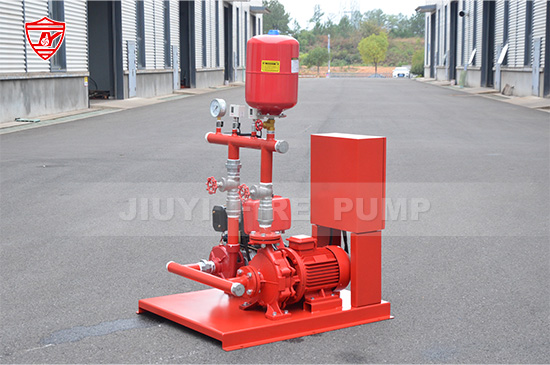
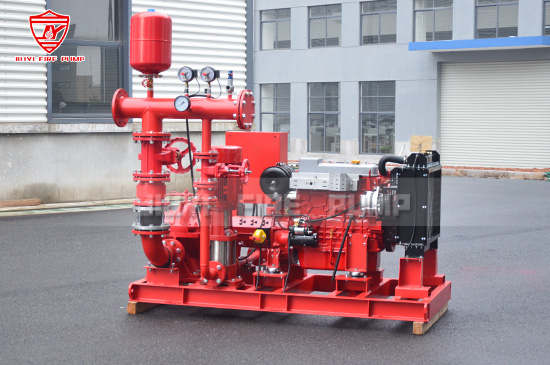
A factory assembled fire pump is a complete fire pump package that is built, aligned, piped, wired, and tested by the manufacturer before delivery.
Instead of shipping individual components separately, the manufacturer integrates the major equipment into one coordinated system. Depending on the project requirements, a factory assembled package may include:
Every component is selected to work together as a complete fire protection solution.
One of the biggest advantages of factory assembly is consistent quality control.
During factory production, every assembly step follows documented manufacturing procedures. Precision equipment is used to ensure proper alignment, accurate piping connections, secure mounting, and correct installation of all accessories.
Unlike field assembly, which can be affected by weather, limited workspace, or varying installer experience, factory assembly takes place in a controlled production environment.
Manufacturers perform inspections throughout production to verify:
This controlled process greatly reduces the possibility of installation defects.
A fire pump package contains many interconnected components. Even if each component meets its own specifications, problems may occur if they are not properly matched.
Factory assembly eliminates compatibility concerns because the manufacturer designs the entire package as one integrated system.
Engineers verify that:
This coordinated design reduces unexpected problems during installation and startup.
One of the strongest reasons to choose a factory assembled fire pump is the ability to perform complete operational testing before shipment.
Instead of discovering issues after installation, manufacturers verify system performance in the factory.
Testing commonly includes:
For diesel fire pumps, manufacturers may also perform:
These procedures confirm that the system performs according to design specifications before it leaves the factory.
Construction schedules continue to become more demanding.
Every day saved during installation helps reduce project costs and accelerates building completion.
With factory assembled fire pumps, contractors receive a package that requires significantly less field work.
Instead of spending days or weeks assembling individual components, installers primarily need to:
Because much of the assembly has already been completed, installation time can be dramatically reduced.
This shorter installation period benefits contractors, owners, and project managers alike.
Field assembly introduces numerous opportunities for mistakes.
Examples include:
Even small installation mistakes can delay project completion or reduce system reliability.
Factory assembly minimizes these risks because experienced technicians perform repetitive assembly procedures using standardized work instructions.
This results in greater consistency from one project to another.
Managing multiple equipment suppliers often increases project complexity.
A traditional fire pump installation may require separate procurement for:
Each supplier has different lead times, documentation, shipping schedules, and technical support.
A factory assembled package consolidates these elements into one coordinated delivery.
This simplifies purchasing, logistics, documentation management, inspection, and after-sales support.
Fire pumps are emergency equipment.
Unlike process pumps that operate daily, fire pumps may remain idle for months or years before suddenly being required to perform under critical conditions.
Because emergency equipment cannot fail, reliability becomes the highest priority.
Factory assembled systems improve reliability by ensuring:
These factors help ensure the fire pump starts immediately when needed.
Construction projects often involve strict inspection procedures before occupancy approval.
Factory assembled fire pump systems simplify these inspections because much of the equipment has already undergone factory verification.
Project inspectors can focus on:
Since the equipment itself has already been assembled and tested, commissioning typically becomes more efficient.
Comprehensive documentation is essential throughout the life of a fire protection system.
Factory assembled packages generally include complete documentation such as:
Having one complete documentation package simplifies future maintenance and troubleshooting.
Although the purchase price is important, the true cost of a fire pump system extends throughout its service life.
A properly assembled system may reduce costs associated with:
Reduced installation errors and improved reliability contribute to lower total ownership costs over many years.
Many fire protection projects must comply with recognized standards and customer specifications.
Factory assembly allows manufacturers to verify that the equipment configuration satisfies applicable design requirements before shipment.
This organized manufacturing process also supports traceability, documentation, inspection records, and quality assurance procedures that are valuable during project acceptance.
For projects requiring certified equipment, factory assembly provides additional confidence that all approved components have been correctly integrated.
Factory assembled fire pump systems are widely used in many industries, including:
Each application benefits from improved reliability, faster installation, and simplified maintenance.
Maintenance teams benefit when equipment has been assembled using standardized layouts.
Factory assembled systems typically feature organized piping arrangements, clearly identified components, and accessible service points.
This allows technicians to perform routine inspections more efficiently, including:
Well-organized equipment also reduces maintenance time and improves overall serviceability.
When one manufacturer supplies the complete fire pump package, technical support becomes much simpler.
Instead of determining which supplier is responsible for a particular issue, customers have a single point of contact for technical assistance, spare parts, warranty service, and troubleshooting.
This streamlined support process often leads to faster issue resolution and greater confidence throughout the equipment's operating life.
Shipping multiple loose components increases the risk of delays, missing parts, or damage during transportation.
Factory assembled systems are packaged as coordinated units, making it easier to manage logistics and verify that all required equipment arrives together.
This reduces confusion at the construction site and helps contractors maintain installation schedules.
As construction projects become more complex and schedules become tighter, consulting engineers increasingly prefer factory assembled fire pump systems.
Their reasons include:
These advantages help deliver dependable fire protection systems while reducing uncertainty throughout the project.
Not all factory assembled fire pump packages are manufactured to the same standard. Selecting an experienced manufacturer is essential to achieving the full benefits of factory assembly.
When evaluating a supplier, consider the following:
A manufacturer with advanced production facilities, experienced engineers, and strict quality control can provide a fire pump package that is ready for efficient installation and dependable operation.
.jpg)
Factory assembled fire pumps represent a smarter approach to modern fire protection. By integrating all major components into a professionally engineered and thoroughly tested package, manufacturers help reduce installation time, minimize field errors, improve quality control, and enhance overall system reliability.
For contractors, factory assembled systems simplify installation and commissioning. For engineers, they provide greater confidence in system performance and compliance. For building owners, they offer long-term value through lower maintenance costs, improved reliability, and streamlined support.
.jpg)