In fire protection systems, reliability is not optional. When a fire occurs, the fire pump must deliver sufficient water pressure and flow exactly when it is needed. Diesel fire pumps are widely used as backup systems because they can continue operating when electrical power is unavailable or unreliable. This article explains why diesel engine fire pumps are an important part of fire safety systems, how they work as backup pumps, and what factors should be considered when selecting a reliable fire pump solution.
.jpg)
A fire protection system is designed to protect people, buildings, equipment, and critical assets during an emergency. Sprinkler systems, hydrants, hose reels, and other firefighting equipment all depend on a reliable water supply. However, simply having a water source is not enough. The system must also maintain adequate pressure and flow to deliver water to the areas where it is needed.
The fire pump is one of the most important components in this system. If the available water supply cannot provide the required pressure and flow, the fire pump supplies additional hydraulic energy to the system.
In many commercial, industrial, and high-rise buildings, electric fire pumps are commonly used as the primary source of fire pump power. They are efficient, easy to operate, and suitable for many applications. However, their biggest limitation is their dependence on the electrical power supply.
During a major fire, the electrical system may be damaged. Power may be interrupted by the fire itself, extreme weather, equipment failure, or a wider utility outage. If the primary electric fire pump cannot operate because of a power failure, the fire protection system may be placed at risk.
This is where diesel fire pumps become particularly valuable.
A diesel engine fire pump can provide an independent source of mechanical power. When properly designed and installed, it can continue running even when the normal electrical supply is unavailable. For this reason, diesel fire pumps are often selected as backup systems or as part of a redundant fire protection strategy.
The main reason diesel fire pumps are used as backup systems is simple: they provide an alternative power source when electrical power cannot be relied upon.
A diesel fire pump uses a diesel engine to drive the fire pump instead of relying directly on an electric motor. The engine stores its fuel in a dedicated fuel tank, allowing the pump to operate independently of the utility electrical grid for a specified period.
This makes diesel engine fire pumps particularly useful in facilities where uninterrupted fire protection is critical.
The main advantages include:
The most important benefit of a diesel fire pump backup system is its independence from the normal electrical power supply.
If a building experiences a complete power outage, an electric fire pump may not be able to start unless it is connected to a suitable emergency power source. A diesel fire pump, however, can start and operate using its own engine and fuel supply.
This is especially important in locations where the electrical grid is unstable or where a power outage could occur during a natural disaster.
For facilities such as factories, warehouses, data centers, hospitals, airports, and large commercial buildings, maintaining fire protection during a power failure can be essential.
A fire emergency may occur at any time. The fire pump must be ready to operate whether the facility is receiving normal electrical power or not.
A diesel fire pump provides a separate power source for the fire pump system. This creates an additional layer of protection and reduces dependence on a single energy source.
In a properly designed fire protection system, the combination of electric and diesel fire pumps can provide greater operational redundancy. If the electric pump cannot operate because of an electrical failure, the diesel-driven pump can serve as the alternative source of pumping power.
This approach helps improve overall fire pump reliability.
Not every location has a stable and reliable electrical infrastructure.
In developing regions, remote industrial areas, construction sites, and facilities with frequent power interruptions, relying entirely on electric pumps may introduce additional risks.
Diesel fire pumps can be a practical solution because they do not depend on continuous utility power for their primary operation. As long as the diesel engine has sufficient fuel and is properly maintained, the pump can operate independently.
For this reason, diesel engine fire pumps are often considered for facilities where electrical reliability is a major concern.
During a serious fire, electrical equipment and cables may be exposed to heat, smoke, water, or physical damage. In some situations, the electrical infrastructure that supplies an electric fire pump may also be affected.
A diesel fire pump offers an alternative power source that is physically and functionally independent from the normal electrical supply.
This does not mean that a diesel pump is immune to all emergency conditions. The engine room, ventilation system, fuel system, control equipment, and other components must all be properly designed and protected. However, the independent power source provides an important advantage when electrical infrastructure is compromised.
Fire protection engineers often focus on redundancy because a fire pump is a critical life-safety component.
A system with only one source of power has a single point of failure. Adding a diesel-driven fire pump can reduce this dependency.
For example, a fire pump system may include an electric fire pump as the primary pump and a diesel fire pump as a backup. A jockey pump may also be included to maintain system pressure under normal conditions.
This type of arrangement allows each pump to perform a specific role within the overall system.
The electric pump can handle normal fire demand when electrical power is available, while the diesel fire pump provides an alternative pumping source when the primary power supply is unavailable.
The result is a more resilient fire protection system.
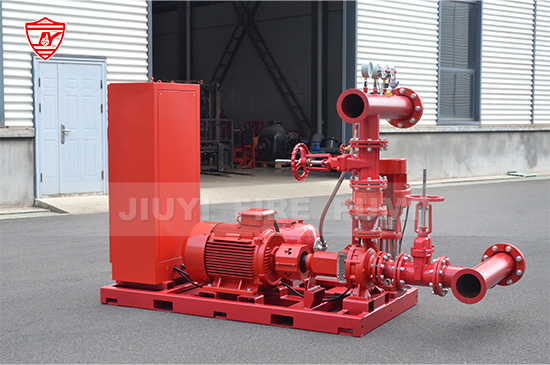
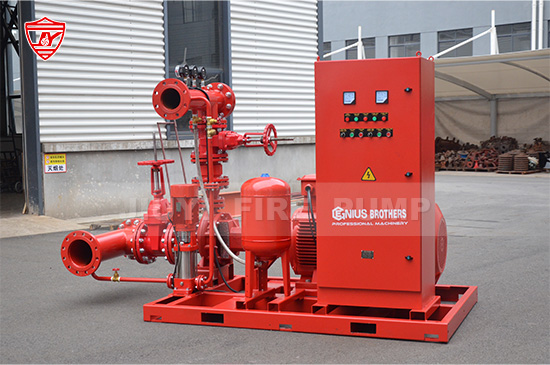
A typical diesel fire pump system includes several important components. These may include the diesel engine, fire pump, diesel fuel tank, batteries, controller, cooling system, exhaust system, and monitoring equipment.
Under normal conditions, the fire protection system remains pressurized. A jockey pump may operate to compensate for minor pressure losses and help maintain the required system pressure.
When a fire occurs, the pressure in the fire protection system drops as sprinklers or other firefighting equipment begin to discharge water. The fire pump controller detects the pressure drop and initiates the required starting sequence.
If the diesel fire pump is required to operate, the diesel engine starts and drives the fire pump. The pump then supplies water at the required pressure and flow to the fire protection system.
The diesel engine continues operating as long as the fire pump is required to supply water. The fuel tank provides the energy needed for continued operation, subject to the system design and applicable requirements.
This automatic starting capability is one of the most important characteristics of a reliable diesel fire pump backup system.
Both electric and diesel fire pumps have important roles in fire protection. The choice between them depends on the facility, local regulations, power infrastructure, project requirements, and risk level.
Electric fire pumps are often preferred when a reliable power supply is available. They generally have a simple operating concept and can be highly efficient.
Diesel fire pumps, on the other hand, provide an independent source of mechanical power. Their primary advantage is their ability to operate without relying on the normal utility power supply.
For this reason, diesel fire pumps are often selected when the reliability of the electrical power supply is uncertain or when additional redundancy is required.
In some applications, using both electric and diesel fire pumps together provides a balanced approach. The electric pump can serve as the primary pump, while the diesel pump provides backup capability.
The right solution should always be determined through a professional fire protection design based on the specific project requirements.
Diesel fire pump backup systems can be found in a wide range of applications.
Industrial facilities often use diesel fire pumps because manufacturing plants may contain combustible materials, flammable liquids, machinery, and other hazards.
Warehouses and logistics centers may also require reliable fire protection because of their large storage areas and high fuel or material loads.
High-rise buildings can benefit from reliable fire pump systems because water must be delivered to elevated floors at sufficient pressure.
Hospitals and healthcare facilities require dependable fire protection because the safety of patients and staff is critical.
Data centers and other mission-critical facilities may also consider redundant fire protection systems because a fire could result in significant operational and financial losses.
Other applications may include airports, ports, power plants, oil and gas facilities, shopping centers, hotels, and large infrastructure projects.
In each case, the specific fire pump arrangement should be selected according to the project's hazard classification, water demand, building design, local codes, and applicable fire protection standards.
Choosing a diesel fire pump is not simply a matter of selecting the largest available pump. The system must be properly matched to the hydraulic and operational requirements of the fire protection system.
The fire pump must provide the required flow rate and pressure for the application. Engineers typically determine the required pump capacity based on the sprinkler system, hydrants, standpipes, and other connected firefighting equipment.
Selecting the correct pump performance is essential for reliable fire protection.
The diesel engine must have sufficient power to drive the fire pump under the required operating conditions. Engine selection should consider the pump's rated power, speed, environmental conditions, altitude, and other project factors.
The fuel tank must provide sufficient fuel capacity for the required operating duration. The fuel system should be designed to support reliable engine operation and should be accessible for inspection and maintenance.
A reliable diesel fire pump should be equipped with a suitable control system capable of automatically starting the engine when required.
The controller should also provide monitoring and status information to help operators identify potential issues.
Diesel engines generate heat and exhaust gases during operation. Proper ventilation, cooling, and exhaust arrangements are therefore critical.
The pump room should be designed to provide the necessary airflow and ensure that the engine can operate safely under emergency conditions.
For many projects, compliance with applicable fire protection standards and certification requirements is a key consideration.
Depending on the market and project specifications, buyers may require equipment designed to meet standards such as NFPA 20 or products with relevant certifications such as UL Listed or FM Approved equipment.
Working with an experienced fire pump manufacturer can help ensure that the selected equipment is appropriate for the intended application and project requirements.
A diesel fire pump is only effective as a backup system if it is ready to operate when needed.
Regular inspection, testing, and maintenance are therefore essential.
Maintenance activities may include checking engine oil, fuel quality, batteries, cooling systems, belts, hoses, exhaust systems, controllers, and fuel levels. Regular testing can also help identify potential problems before an emergency occurs.
Fuel quality deserves particular attention. Diesel fuel that is stored for extended periods can deteriorate, potentially affecting engine performance. The fuel system should therefore be managed according to the manufacturer's recommendations and applicable maintenance requirements.
Battery condition is another important consideration because the batteries provide the energy needed to start the diesel engine. A weak or damaged battery can prevent the engine from starting when it is required.
For this reason, a complete maintenance program should cover the entire diesel fire pump system rather than focusing only on the pump itself.
The purpose of a fire protection system is to provide dependable performance during an emergency. A fire does not wait for the power grid to recover, and a critical facility cannot assume that normal electrical power will always be available.
Diesel fire pumps address this risk by providing an independent source of power for firefighting water supply.
Their ability to operate during electrical outages, provide system redundancy, and support critical fire protection applications makes them an important solution for many facilities.
However, the effectiveness of a diesel fire pump depends on more than the diesel engine alone. The entire system, including the pump, engine, controller, fuel supply, batteries, cooling, ventilation, installation, testing, and maintenance, must work together.
For facility owners, fire protection engineers, EPC contractors, and system integrators, selecting a reliable fire pump manufacturer is an important step in developing a dependable fire safety system.
.jpg)
So, why are diesel fire pumps used as backup systems?
The answer comes down to reliability and independence. Diesel fire pumps can provide an alternative source of power when the normal electrical supply is unavailable, helping maintain the operation of critical fire protection systems during emergencies.
For facilities where fire safety cannot depend on a single power source, a diesel engine fire pump can provide valuable redundancy and additional protection. When combined with appropriate system design, professional installation, regular testing, and preventive maintenance, diesel fire pumps can play an important role in ensuring that firefighting water is available when it matters most.
For fire pump manufacturers, engineers, contractors, and facility owners, understanding the role of diesel fire pumps is essential to building fire protection systems that are prepared not only for normal conditions, but also for the unexpected challenges that can occur during a real emergency.