Below is the industry-standard schedule followed worldwide. Tasks are based on NFPA 25 recommendations and applied to electric fire pumps, diesel fire pumps, and vertical turbine fire pumps.
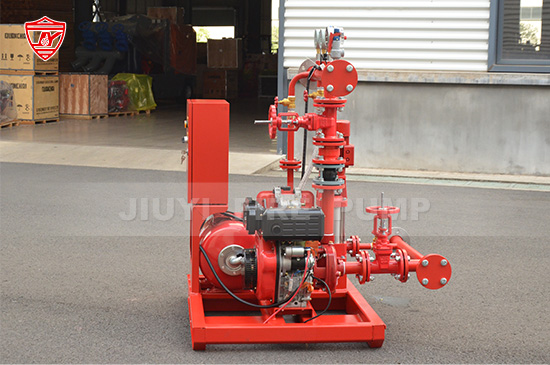
Weekly tasks ensure the fire pump is ready to operate at all times. Most problems that could prevent a pump from starting are identified here.
A visual inspection checks the overall condition of the pump and controller. This includes:
Pump room cleanliness and ventilation
Checking for leaks around pump, piping, and valves
Gauges and indicators reading within normal range
No unusual noise or vibration (for pumps in standby running conditions)
Lubrication levels on bearings
Pump casing and valves in correct position
A clean and stable environment is critical. Excess dust, humidity, or clutter can lead to electrical failures or corrosion.
Electric pumps require a weekly run for at least 10 minutes. This ensures:
Motor starts automatically
Controller functions properly
Pump rotates freely
No abnormal vibration or overheating
The operator must record suction and discharge pressures during the test, comparing them with previous readings to detect any changes.
Diesel pumps require more attention than electric pumps due to the engine’s many mechanical components. Weekly diesel pump testing includes:
Running the engine for at least 30 minutes
Checking battery voltage and charger operation
Inspecting fuel system (levels, leaks, filters)
Monitoring engine oil pressure and coolant temperature
Verifying exhaust system and ventilation
Fuel supply and air intake must remain clean and free of obstruction at all times.
Monthly tasks focus on the mechanical and lubrication systems that typically show slow changes over time.
Coupling alignment affects pump efficiency and mechanical lifespan. Monthly checks include:
Inspecting flexible coupling elements
Checking for misalignment
Verifying coupling guards are secure
Misalignment can cause vibration, bearing wear, and impeller damage.
Ensure:
Relief valve is in proper position
Circulation valve functions during pump runs
Any obstruction could cause overheating during no-flow tests.
Monthly diesel-specific tasks include:
Measuring fuel tank levels
Inspecting for algae growth or contamination
Checking fuel filters
Fuel issues are one of the most common causes of diesel pump failure.
For both electric and diesel controllers:
Confirm charger voltage
Check battery water levels (for non-sealed batteries)
Inspect terminals for corrosion
Reliable starting power is essential.
Quarterly maintenance focuses on electrical and mechanical components that can degrade gradually.
Fire pump controllers—both electric and diesel—must be tested quarterly to verify:
Start signal functions
Automatic and manual start modes
Alarms and indicators
Emergency stop functions
Controller reliability is critical for emergency operation.
If the system includes a flow meter, quarterly checks ensure measurement accuracy.
All isolation valves, test header valves, and jockey pump control valves must be operated to prevent seizure.
These tasks address performance, lubrication, and drive system reliability.
Includes:
Bearing lubrication
Checking oil levels in gear-driven components
Inspecting for contaminants
Lubrication issues cause most mechanical pump failures.
Semi-annual diesel pump tasks:
Coolant level and condition check
Belt tension inspection
Heat exchanger cleaning
In addition to weekly and monthly checks, a deeper semi-annual performance test ensures batteries can deliver full starting current.
The annual schedule is the most comprehensive and required for full compliance.
This is the most important test of the year.
The pump must run at:
No-flow (churn) condition
Rated flow (100%)
Overload flow (150%)
Measurements include:
Suction pressure
Discharge pressure
Flow rate
Motor or engine performance
Pump vibration and noise level
This test confirms whether the fire pump still performs according to its rated duty point.
Includes:
Engine oil and filter change
Fuel filter replacement
Cooling system service
Exhaust system inspection
Turbocharger and air filter inspection
Checking crankcase breather
Diesel engines must be maintained like vehicle engines but with even higher reliability expectations.
For electric pumps:
Motor insulation test
Controller inspection by manufacturer or certified technician
Electrical terminals, relays, and wiring check
Electrical failures are one of the costliest pump system issues—annual preventive inspection is essential.
The pump room must comply with:
Temperature requirements
Ventilation requirements
Corrosion prevention
Adequate lighting
Proper drainage
A poor environment can shorten pump lifespan significantly.
Although not annual, these long-term standards are also part of the maintenance schedule.
Every five years, the pump and driver must be opened for internal inspection:
Impeller examination
Wear ring condition
Shaft straightness and corrosion
Internal casing conditions
Bearing condition
This identifies long-term wear that may reduce pump efficiency.
Fuel tanks may accumulate sludge, algae, or water. Cleaning ensures reliable engine performance.
Record every test, inspection, and measurement. Trends help diagnose issues early.
Most pump issues are missed because operators do not understand warning signs.
Blockage or low water levels can cause cavitation and damage the pump.
Non-standard parts can affect pressure performance and warranty.
The jockey pump maintains system pressure and prevents unnecessary fire pump startups. Poor jockey pump control often hides system issues.
Although the standard maintenance schedule applies to most fire pumps, actual requirements vary depending on:
Electric vs. diesel fire pump
UL/FM certified systems
Horizontal split-case vs. Vertical turbine pumps
Environmental conditions
System age
Building usage
A manufacturer or certified fire protection service provider should personalize the schedule according to your installation.

A standard fire pump maintenance schedule is essential for ensuring reliable performance, long service life, and compliance with NFPA 25. Weekly, monthly, quarterly, semi-annual, and annual inspections allow facility teams to identify problems early and maintain peak pump readiness. By following this structured plan—especially the annual full flow test—building owners and managers significantly reduce fire risk and protect their people and property.
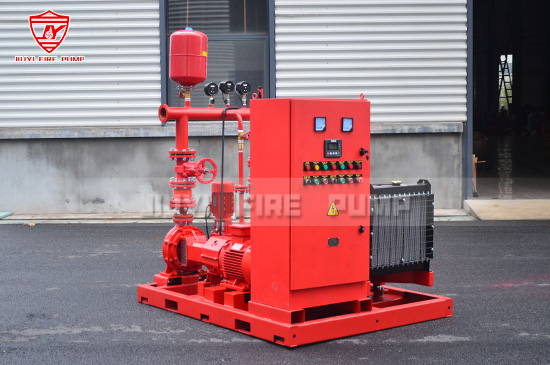
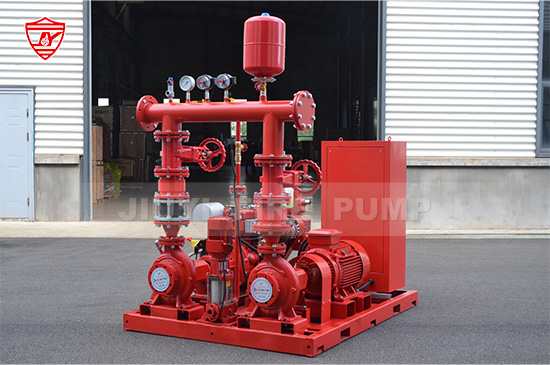
.jpg)