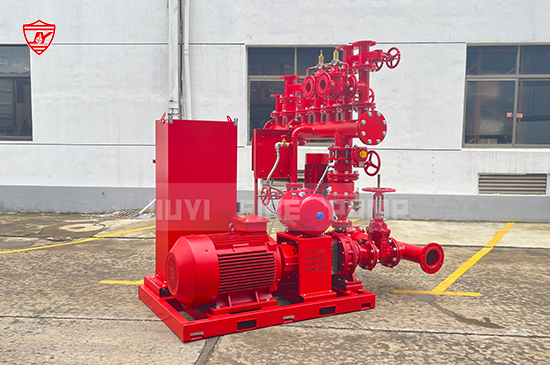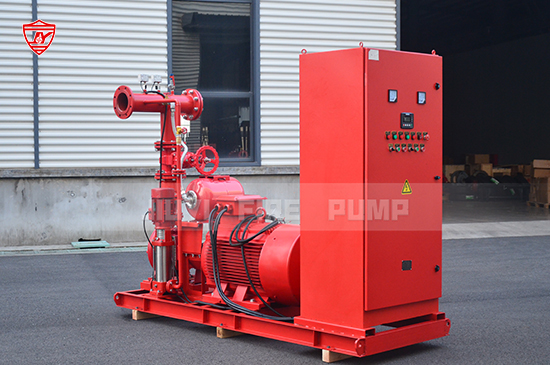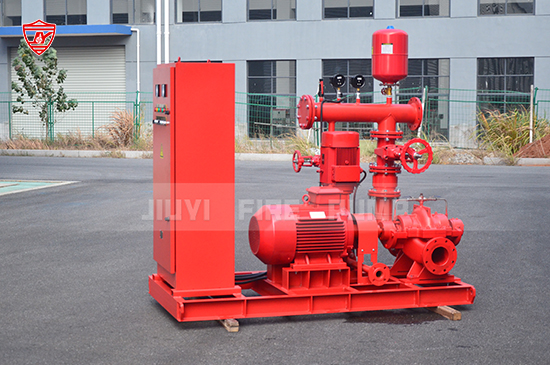
Fire safety is a critical component of building design, industrial facilities, and infrastructure projects. Among the essential elements in any fire protection system are fire pumps and, equally important, fire pump controllers. While many people understand the role of a fire pump in delivering water during a fire emergency, the function of the fire pump controller is often overlooked. This article explores the purpose of fire pump controllers, how they work, and why they are vital for reliable fire protection.
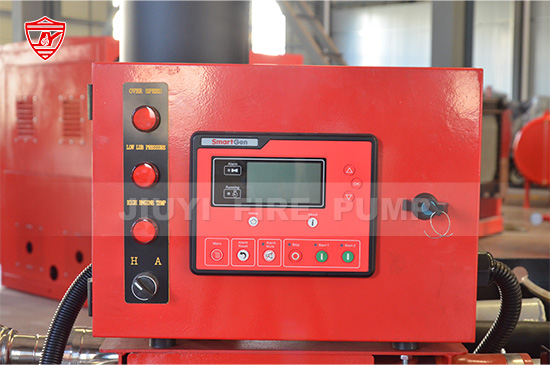
A fire pump controller is an electrical device that manages and regulates the operation of a fire pump system. It serves as the central control unit, ensuring that fire pumps start and stop correctly, operate efficiently, and provide the necessary water pressure to combat fires. Fire pump controllers can be used with different types of pumps, including electric pumps, diesel engine pumps, and jockey pumps, depending on the design of the fire protection system.
Controllers are designed to work automatically in the event of a fire. They receive signals from the fire protection system—typically through pressure switches or alarm systems—and activate the fire pump to maintain water flow to sprinklers, hydrants, or other fire suppression devices. Without a controller, a fire pump would require manual operation, which could delay response times and compromise safety.
Fire pump controllers serve several critical functions in a fire protection system. Understanding these functions highlights their importance in ensuring system reliability and compliance with fire safety standards.
The primary function of a fire pump controller is to automatically start the fire pump when it detects a drop in water pressure in the fire protection system. This drop usually occurs when a sprinkler head opens or when a hydrant is in use during a fire emergency. Once the pressure returns to normal, the controller stops the pump to prevent unnecessary operation and wear.
Fire pump controllers continuously monitor the operational status of the pump. They provide information about whether the pump is running, idle, or experiencing faults. This monitoring helps facility managers and maintenance teams identify issues before they escalate into serious problems.
Fire pump controllers include built-in protections for the pump, such as overload protection, low voltage protection, and high temperature shutdown. These features prevent damage to the pump and ensure long-term reliability, reducing maintenance costs and avoiding unexpected failures during emergencies.
Fire pump controllers are designed to meet regulatory standards such as NFPA 20, which outlines the installation and operation of fire pumps in the United States. Using a compliant controller ensures that a fire protection system meets safety codes, which is essential for insurance and legal compliance.
While automatic operation is crucial, fire pump controllers also allow for manual operation when needed. This feature is particularly important during maintenance, testing, or situations where an automatic signal may fail. Manual operation ensures that the system remains functional under all circumstances.
Modern fire pump controllers are often integrated with building fire alarm systems. When a fire alarm activates, the controller receives a signal and starts the pump to supply water to the sprinkler system or hydrants. Integration ensures a coordinated response between detection and suppression, improving overall safety.
Fire pump controllers vary based on the type of pump they control and the operational requirements of the system. The most common types include:
These controllers are used with electric fire pumps and are ideal for buildings with reliable electrical power. They include features such as automatic starting, voltage monitoring, and remote alarms. Electric controllers are often preferred for high-rise buildings and commercial facilities.
Diesel pumps require controllers that manage both the engine start sequence and the pump operation. Diesel fire pump controllers are equipped with features to monitor engine parameters, such as oil pressure, temperature, and battery condition, ensuring the diesel engine starts reliably during emergencies.
Some fire pump systems use both electric and diesel pumps for redundancy. Combined controllers manage both types of pumps, ensuring that if one pump fails, the backup pump is ready to operate immediately. This configuration provides maximum reliability for critical facilities.
Jockey pumps maintain system pressure and prevent frequent cycling of the main fire pump. Controllers for jockey pumps monitor pressure and operate the small pump to maintain system readiness, ensuring the main pump only activates when required.
Proper installation of fire pump controllers is essential for reliable operation. Key considerations include:
Location: Controllers should be installed in a dry, accessible area with adequate ventilation to prevent overheating.
Power Supply: Electric controllers must have a stable power supply, while diesel controllers require reliable battery systems.
Environmental Protection: Controllers installed in industrial or outdoor environments may need protective enclosures to shield them from dust, moisture, and extreme temperatures.
Compliance: Ensure the controller installation complies with NFPA 20 and local fire codes. This compliance guarantees proper operation and legal adherence.
Regular maintenance and testing are crucial to ensure fire pump controllers function properly during emergencies. Maintenance practices include:
Inspecting electrical connections and wiring for signs of wear or corrosion.
Testing automatic start and stop functions using test switches.
Checking alarms, indicators, and fault signals for proper operation.
Verifying manual operation and backup systems.
Scheduling periodic inspections by qualified fire protection technicians.
Routine testing and maintenance not only ensure compliance with regulations but also extend the lifespan of the fire pump system and prevent failures when it is needed most.
Investing in a high-quality fire pump controller offers several benefits:
Enhanced Safety: Automatic and reliable operation reduces response time in a fire emergency.
System Protection: Protects the pump and associated equipment from electrical or mechanical damage.
Regulatory Compliance: Helps meet NFPA standards and local fire safety codes.
Operational Efficiency: Monitors performance, reduces unnecessary pump cycling, and supports energy-efficient operation.
Peace of Mind: Ensures the fire protection system is ready at all times, providing confidence to building owners, operators, and occupants.
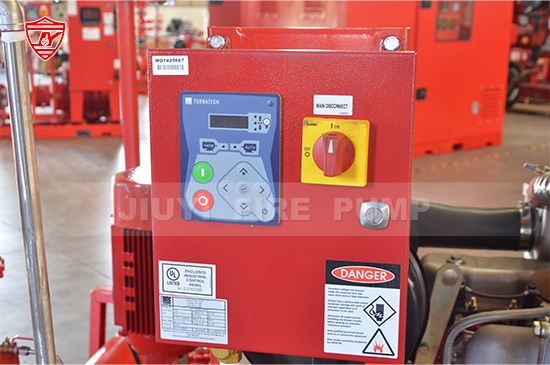
Fire pump controllers are an essential part of any fire protection system. They provide automatic operation, monitor pump performance, protect equipment, ensure regulatory compliance, and integrate with fire alarm systems to deliver a coordinated response during emergencies. Understanding their purpose and functionality helps facility managers, safety professionals, and engineers make informed decisions when designing, installing, and maintaining fire pump systems.
For facilities seeking reliable fire protection, selecting the right fire pump controller is as important as choosing the pump itself. Proper installation, routine maintenance, and adherence to standards ensure that the system operates efficiently and safely when it matters most.
Fire pump controllers are not just a component—they are the brain of your fire pump system, orchestrating protection, reliability, and safety for people and property alike.