Fire pump testing is a critical part of maintaining a reliable fire protection system. A fire pump may remain unused for months or even years, but when a fire occurs, it must start immediately and deliver the required water flow and pressure. Regular testing helps verify that the pump, driver, controller, and associated components are ready to perform when they are needed most.
For building owners, facility managers, fire protection contractors, engineers, and safety professionals, understanding why fire pump testing is required is essential. A properly tested fire pump can help identify mechanical problems, electrical issues, reduced water supply, and performance deterioration before an emergency occurs.
Fire pump testing is not simply a routine maintenance task. It is a fundamental part of fire protection system reliability.
.jpg)
Fire pump testing is the process of checking the operating condition and performance of a fire pump system under controlled conditions. Depending on the type of test and applicable requirements, testing may include starting the pump, checking system pressure, measuring water flow, inspecting components, and comparing actual performance with expected values.
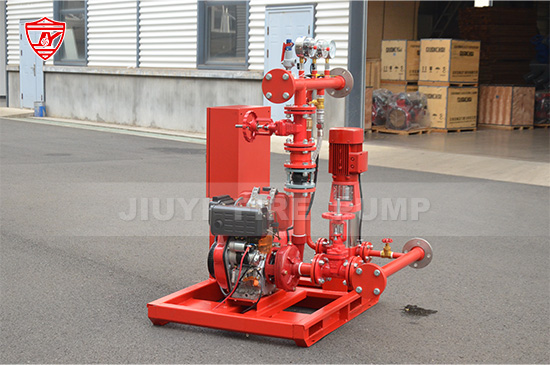
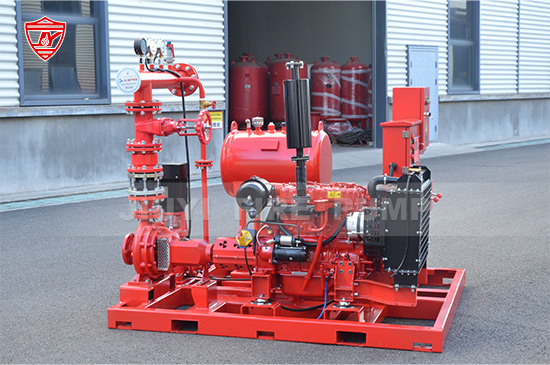
A complete fire pump system may include an electric fire pump, diesel engine fire pump, jockey pump, controller, suction piping, discharge piping, valves, pressure sensing equipment, and other accessories. Each component plays a role in ensuring that the system operates correctly.
Testing helps confirm that these components work together as intended.
A fire pump performance test typically evaluates the pump at different operating points. The results can then be compared with the pump's rated performance and previous test records. This provides valuable information about whether the system is operating normally or showing signs of deterioration.
The primary reason fire pump testing is required is simple: a fire pump is a life safety system.
When a fire protection system is activated, there is no opportunity to discover that the fire pump has developed a problem. The pump must be ready to provide the required water supply immediately.
Several factors explain why regular testing is so important.
A fire pump is designed to provide a specific flow rate at a specific pressure. Over time, however, actual performance can change.
Wear and tear, corrosion, blocked suction piping, damaged impellers, valve problems, electrical faults, or engine issues can affect pump performance. Even if the pump appears normal during a visual inspection, its actual hydraulic performance may have declined.
A fire pump performance test provides measurable data about the pump's condition.
By recording suction pressure, discharge pressure, and flow rate, operators can determine whether the pump is delivering the expected performance. Testing at multiple flow conditions can also help identify performance changes that may not be visible during normal operation.
For example, a pump may start successfully but fail to deliver the required flow during a major fire. Regular performance testing can help detect this problem before an emergency.
One of the most important benefits of fire pump testing is early problem detection.
A fire pump system can develop problems for many reasons. Electrical connections may become loose. Batteries in a diesel engine fire pump may lose capacity. Fuel quality may deteriorate. Valves may become partially closed. Bearings and mechanical components may wear. Control panels may develop faults.
Regular testing provides an opportunity to identify these issues while there is still time to correct them.
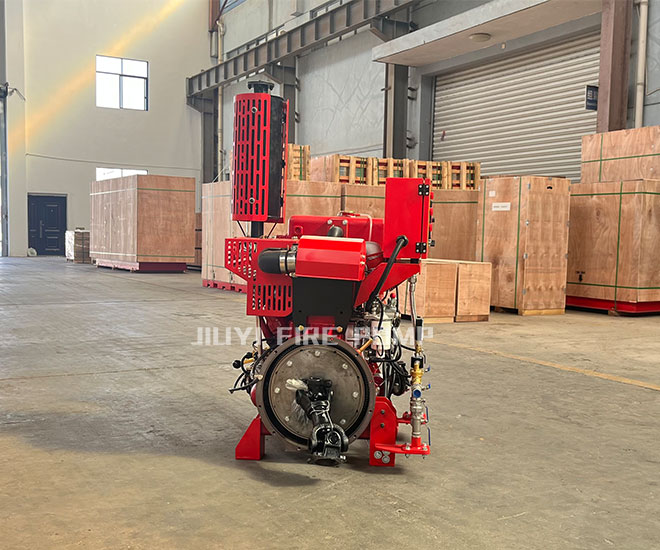
This is particularly important for diesel-driven fire pumps. A diesel engine must be able to start reliably and operate for the required duration. Testing can help reveal problems with batteries, fuel systems, cooling systems, exhaust systems, or engine performance.
For electric fire pumps, testing can help identify issues related to the power supply, controller, motor, and electrical connections.
Early detection is usually less costly and less disruptive than discovering a failure during a fire emergency.
In many fire protection systems, the fire pump must start automatically when system pressure drops below a predetermined level.
The ability to start automatically is critical. During a fire, there may be no time for someone to manually start the pump.
Testing allows operators to verify that the fire pump controller and pressure sensing system respond correctly. It also helps confirm that the pump starts as expected when the system pressure changes.
The jockey pump also plays an important role in maintaining system pressure under normal conditions. Testing the relationship between the jockey pump and the main fire pump helps ensure that the system operates correctly and that the main fire pump does not start unnecessarily due to minor pressure fluctuations.
The ultimate purpose of fire pump testing is to improve fire protection reliability.
Fire pumps are commonly used in commercial buildings, warehouses, factories, hospitals, high-rise buildings, industrial facilities, data centers, shopping centers, and other properties where reliable water-based fire protection is essential.
If a fire pump fails when needed, the consequences can be severe. Insufficient water flow or pressure can reduce the effectiveness of sprinklers and other fire suppression equipment.
Regular testing helps reduce the risk of unexpected failure.
While testing cannot guarantee that every component will operate perfectly in every emergency, it provides an important level of confidence that the system is being maintained and monitored properly.
The exact testing requirements depend on the type of fire pump, the application, local regulations, and the applicable fire protection standards.
In general, fire pump inspection and testing may involve several key activities.
Before operating the pump, technicians typically inspect the equipment and surrounding area.
This may include checking:
A visual inspection can identify obvious problems before functional testing begins.
A no-flow test, often referred to as a churn test, evaluates the fire pump while operating without delivering water through the system's rated flow.
This test can help verify that the pump starts correctly and operates normally under no-flow conditions.
The technician may monitor discharge pressure, pump operation, controller status, and other parameters.
Although a no-flow test does not demonstrate the pump's full hydraulic capacity, it is an important part of routine fire pump testing.
A fire pump flow test measures the pump's ability to deliver water at different flow rates and pressures.
The pump may be tested at several operating points, such as no-flow, rated flow, and a higher flow condition, depending on the applicable testing requirements.
The results provide valuable information about pump performance.
If the measured performance differs significantly from expected values or historical results, further investigation may be necessary.
Diesel engine fire pumps require additional attention because the engine is a critical part of the fire pump system.
Testing may involve checking engine starting performance, operating speed, oil pressure, coolant temperature, fuel supply, batteries, and other operating parameters.
A diesel engine that starts reliably during routine testing is more likely to be ready when an emergency occurs.
However, testing should always be conducted according to the manufacturer's instructions and applicable fire protection requirements.
Electric fire pumps depend on a reliable electrical power supply and properly functioning controllers.
Testing may verify the pump's ability to start and operate under expected conditions. Technicians may also inspect the controller, power supply, motor, connections, and related equipment.
For critical facilities, understanding the reliability of the electrical supply is especially important.
Fire pump testing frequency depends on the applicable regulations, standards, system type, and local authority requirements.
In many applications, fire pumps are subject to routine inspections and periodic operational tests, with more comprehensive performance testing conducted at defined intervals.
For example, NFPA 25 is widely referenced for the inspection, testing, and maintenance of water-based fire protection systems in many markets. NFPA 20 is commonly used for the installation of stationary pumps for fire protection.
However, the exact requirements can vary depending on the location and application. Building owners and facility managers should always follow the standards and regulations applicable to their specific project.
The important principle is that fire pumps should not be left untested for long periods.
A consistent testing program allows operators to establish a performance history. Comparing current results with previous test results can be extremely useful for identifying gradual changes in pump performance.
A failed fire pump test should never be ignored.
The first step is to determine why the pump did not meet the expected performance or operational requirements.
Possible causes may include:
Once the cause has been identified, corrective action should be taken.
In some cases, the issue may be relatively simple, such as an incorrect valve position or faulty gauge. In other situations, the pump may require repair, overhaul, or replacement.
Test results should also be documented and compared with previous records. A gradual decline in performance can be an early warning sign that a more serious problem is developing.
Fire pump testing and preventive maintenance are closely connected, but they are not exactly the same.
Testing evaluates whether the system is operating correctly and meeting expected performance. Maintenance focuses on keeping the equipment in good operating condition.
Both are necessary.
A fire pump can be properly designed and correctly installed, but without ongoing inspection, testing, and maintenance, its reliability may decline over time.
For fire pump manufacturers, this is why product quality must be considered together with long-term serviceability. A reliable fire pump system should be designed to perform consistently throughout its service life when properly installed, operated, tested, and maintained.
Fire pump manufacturers play an important role in supporting reliable fire protection systems.
A professional manufacturer should provide products designed for the intended application and manufactured according to appropriate quality requirements. Product documentation, performance curves, installation instructions, operation manuals, and maintenance recommendations can help contractors and end users manage the equipment correctly.
Factory testing is also an important part of the manufacturing process.
Before a fire pump is delivered, manufacturers may conduct performance testing to verify hydraulic characteristics and ensure that the equipment meets the specified requirements.
For projects requiring certified equipment, customers may also need fire pumps with recognized certifications or approvals, depending on project specifications and local requirements.
When selecting a fire pump manufacturer, buyers should consider not only the initial purchase price but also product quality, testing capabilities, technical support, certification requirements, spare parts availability, and long-term service.
Fire protection equipment is different from many other types of mechanical equipment.
A production pump may operate every day, making performance problems easier to notice. A fire pump may sit unused for extended periods. The fact that it is rarely used does not mean it does not require regular testing.
In fact, its standby nature makes testing even more important.
The true value of a fire pump is demonstrated not when everything is normal, but when a fire emergency occurs and the system must perform immediately.
Regular testing helps answer critical questions:
Can the pump start when required?
Can it provide the required pressure?
Can it deliver the required water flow?
Is the driver operating correctly?
Are the controller and associated equipment functioning properly?
Has the pump's performance changed over time?
These questions are fundamental to fire protection system reliability.
Why is fire pump testing required? Because a fire pump is a critical component of a fire protection system, and its reliability cannot be assumed simply because the equipment is installed and appears to be in good condition.
Regular fire pump testing helps verify performance, identify potential problems, confirm automatic operation, monitor equipment deterioration, and improve overall fire protection system reliability.
Whether the system uses an electric fire pump, diesel engine fire pump, jockey pump, or a complete fire pump set, testing should be treated as an essential part of the system's lifecycle.
For building owners, contractors, engineers, and facility managers, the goal is straightforward: when a fire occurs, the fire pump must be ready to perform.
Choosing a reliable fire pump manufacturer is an important first step. Proper installation, routine inspection, regular testing, and preventive maintenance are what help turn that equipment into a dependable fire protection system.