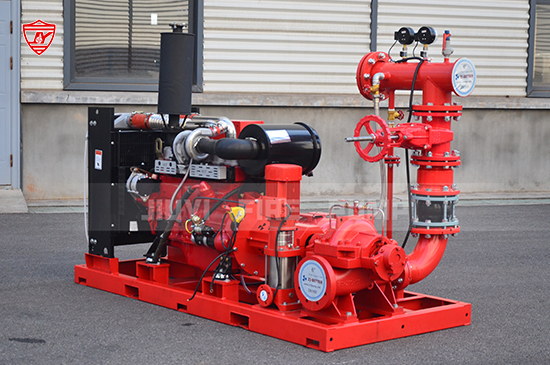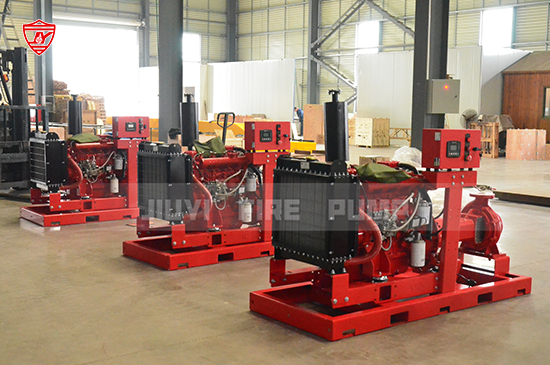
A fire pump is one of the most critical components in a building's fire protection system. When a fire emergency occurs, the fire pump must deliver sufficient water flow and pressure to sprinklers, hydrants, standpipes, or other firefighting equipment. There is no room for unexpected failure.
This is why fire pump preventive maintenance is essential. Regular inspection, testing, and maintenance help ensure that the fire pump system remains ready to perform when it is needed most. Preventive maintenance can also identify developing problems before they become serious failures, reduce unexpected repair costs, extend equipment service life, and support compliance with applicable fire protection standards.
For building owners, facility managers, fire protection contractors, and system operators, maintaining a fire pump is not simply a routine mechanical task. It is an important part of maintaining the overall reliability of the fire protection system.
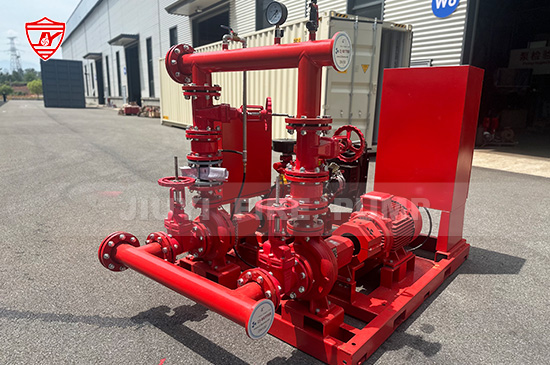
Fire pump preventive maintenance is a planned process of inspecting, testing, servicing, and repairing fire pump equipment before a failure occurs.
Unlike corrective maintenance, which is performed after a problem has already developed, preventive maintenance focuses on identifying potential problems at an early stage. The objective is to keep the entire fire pump system in reliable operating condition and reduce the risk of failure during an emergency.
A complete fire pump system may include several interconnected components, such as:
Each component can affect the performance of the overall system. For this reason, fire pump maintenance should not focus only on the pump itself. The complete system should be inspected and tested according to the applicable requirements and the manufacturer's recommendations.
The primary purpose of a fire pump is to provide the water flow and pressure required by a fire protection system during an emergency.
A fire pump that has not been properly maintained may experience problems such as reduced performance, mechanical wear, electrical faults, battery failure, fuel system issues, or controller malfunctions. Some of these problems may not be obvious during normal operation.
Preventive maintenance allows potential problems to be identified before they affect the system's ability to operate.
Regular inspections and performance testing can help confirm that the pump starts correctly, operates as expected, and is capable of delivering the required performance.
For fire protection systems, reliability is not optional. A fire pump may remain unused for long periods, but when a fire occurs, it must be ready immediately.
Fire pumps are often installed in environments where they may remain on standby for extended periods. Because they are not continuously used like many industrial pumps, problems can sometimes remain unnoticed.
For example, a diesel engine fire pump may develop battery problems, fuel contamination, cooling system issues, or starting difficulties. An electric fire pump may experience electrical connection problems, controller faults, or motor-related issues.
Routine maintenance helps detect these conditions before they become critical.
A preventive maintenance program can include regular checks of:
Identifying small problems early is usually easier and less expensive than dealing with a major failure during an emergency.
Fire protection systems are designed around specific hydraulic requirements. The fire pump must provide adequate pressure and flow to support the system under required operating conditions.
Over time, mechanical wear, damaged components, blocked suction conditions, or incorrect valve positions can affect pump performance.
Fire pump testing helps determine whether the equipment is still performing within the expected range.
Performance testing may provide valuable information about:
Comparing current performance with previous test results can also help identify gradual deterioration.
A pump that continues to operate but delivers significantly less performance than expected may indicate an underlying problem that requires investigation.
Fire pumps represent a significant investment. Replacing a complete fire pump system can be expensive and may require considerable planning, installation work, and system downtime.
Preventive maintenance can help protect this investment.
Regular servicing allows wear and deterioration to be addressed before they cause extensive damage. Proper lubrication, inspection, alignment, electrical checks, cooling system maintenance, and other routine procedures can all contribute to longer equipment life.
For diesel fire pumps, proper maintenance of the engine, fuel system, batteries, cooling system, and lubrication system is particularly important.
For electric fire pumps, maintaining the motor, controller, electrical connections, and power supply is equally important.
A well-maintained fire pump system is more likely to provide dependable service over a longer operating life.
A fire pump maintenance program should be based on the type of equipment, installation conditions, manufacturer recommendations, and applicable local regulations or standards.
The exact requirements may vary by jurisdiction and system design, but typical maintenance activities can include several areas.
The pump should be checked for visible damage, unusual noise, vibration, leakage, corrosion, and other signs of abnormal operation.
Mechanical components should be inspected to ensure they remain in proper working condition. Any unusual changes in operating characteristics should be investigated.
Electric fire pump maintenance may include checking the electric motor, controller, power supply, electrical connections, and starting operation.
The electrical system should be inspected by qualified personnel, especially where high-voltage equipment is involved.
The fire pump controller should also be checked for alarms, indicators, and operational status.
Diesel fire pump maintenance requires attention to the engine and its supporting systems.
Typical inspection areas may include:
Diesel engines may be particularly sensitive to long periods of inactivity. Regular inspection and testing can help identify starting or fuel-related problems before an emergency occurs.
The jockey pump plays an important role in maintaining pressure in the fire protection system during normal conditions.
If the jockey pump is not functioning correctly, the main fire pump may start unnecessarily due to small pressure fluctuations or minor leakage.
Maintenance should therefore include checking the jockey pump, pressure settings, controller, and related equipment.
Incorrect valve positions can seriously affect fire pump performance.
During inspections, relevant valves should be checked to ensure they are in the correct operating position and remain accessible.
Piping should also be inspected for leakage, corrosion, physical damage, or other conditions that could affect system performance.
The maintenance frequency depends on the equipment type, installation environment, applicable standards, manufacturer recommendations, and local authority requirements.
Fire pump systems typically require regular inspections and operational testing rather than relying on an annual maintenance visit alone.
A maintenance program may include:
The important principle is consistency.
A fire pump should not be inspected only after a problem occurs. A planned maintenance schedule makes it easier to identify changes in performance and maintain reliable system operation.
Owners and operators should always follow the requirements applicable to their specific installation. Standards such as NFPA 20 address fire pump installation requirements, while NFPA 25 provides requirements related to inspection, testing, and maintenance of water-based fire protection systems. Local regulations and authority requirements should also be considered.
Neglecting fire pump preventive maintenance can create significant risks.
The most serious risk is system failure during a fire emergency. A pump may fail to start, fail to achieve the required pressure, or operate below its expected capacity.
Other potential consequences include:
In addition, maintenance problems can sometimes affect other parts of the fire protection system. For example, a malfunctioning jockey pump may cause frequent main pump starts, while a closed or partially closed valve may restrict water flow.
The fire pump should therefore be considered as part of a complete fire protection system rather than an isolated piece of equipment.
Choosing the right fire pump manufacturer can make ongoing maintenance easier.
A professional manufacturer should provide clear technical documentation, installation instructions, operating information, recommended maintenance procedures, and appropriate technical support.
When selecting a fire pump, customers should consider more than the initial purchase price. Important factors may include:
A reliable manufacturer should also have appropriate testing capabilities to verify pump performance before delivery.
For projects requiring certified equipment, customers should ensure that the selected fire pump and associated components meet the certification and approval requirements specified for the project.
Fire pump preventive maintenance should be viewed as an investment rather than an unnecessary operating expense.
The cost of routine inspection and maintenance is generally much easier to manage than the consequences of an unexpected fire pump failure.
More importantly, preventive maintenance supports the fundamental purpose of a fire protection system: protecting lives, buildings, equipment, and business operations.
A well-maintained fire pump system provides greater confidence that the equipment will be ready when required. It also helps owners and operators identify potential problems early, manage maintenance costs, and maximize the service life of critical fire protection equipment.
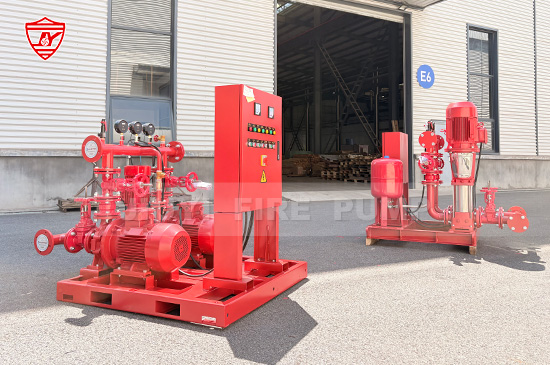
Why is fire pump preventive maintenance essential? Because a fire pump must be reliable when everything else depends on it.
Regular fire pump inspection, testing, and maintenance help ensure that electric fire pumps, diesel fire pumps, jockey pumps, controllers, and related components remain ready for emergency operation. Preventive maintenance can reduce the risk of unexpected failures, support system performance, extend equipment life, and help organizations meet applicable fire protection requirements.
For building owners, facility managers, contractors, and fire protection professionals, a proactive maintenance strategy is one of the most important steps toward maintaining a dependable fire protection system.
.jpg)