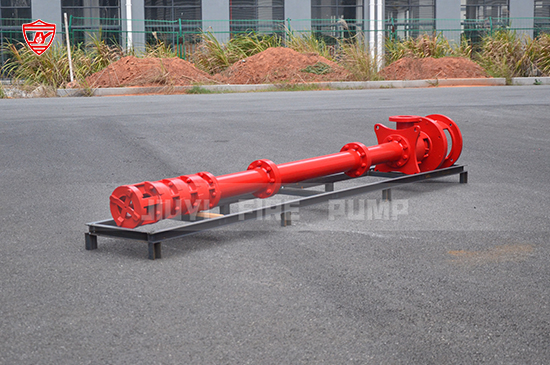
A fire pump is one of the most critical components of any fire protection system. During an emergency, it provides the pressure and flow required to supply sprinklers, standpipes, hydrants, and other firefighting equipment. Because lives and property depend on its performance, a fire pump must start immediately whenever it is needed.
However, facility managers, maintenance personnel, contractors, and engineers occasionally encounter a frustrating problem: the fire pump does not start. Whether the system is powered by an electric motor or a diesel engine, startup failures can occur for a variety of reasons.
The good news is that most startup problems can be identified through a systematic troubleshooting process. Understanding the most common causes allows maintenance teams to restore operation quickly while preventing future failures.
This guide explains why a fire pump may not start, how to diagnose the problem safely, and what preventive measures help ensure dependable performance.
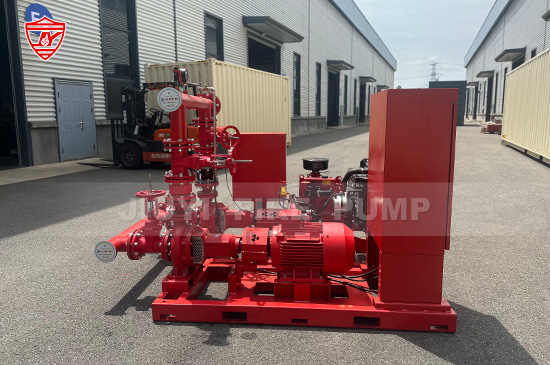
Before troubleshooting, it is helpful to understand the startup sequence.
A fire pump typically starts when:
If any part of this sequence fails, the pump may not start correctly.
The problem could originate from the electrical system, controller, diesel engine, battery, fuel supply, sensors, or even mechanical components.
One of the most common reasons an electric fire pump fails to start is loss of electrical power.
Possible causes include:
Even if power appears available, low voltage can prevent the motor from starting properly.
Inspection should include:
Electrical issues should always be diagnosed by qualified personnel.
The controller acts as the brain of the fire pump system.
If the controller cannot process signals correctly, the pump will not start.
Typical controller issues include:
Many modern controllers display fault codes that help identify the problem.
Review the controller display before attempting additional troubleshooting.
The pressure switch detects pressure loss within the fire protection system.
If it fails, the controller never receives the start signal.
Possible problems include:
Routine calibration helps prevent pressure switch failures.
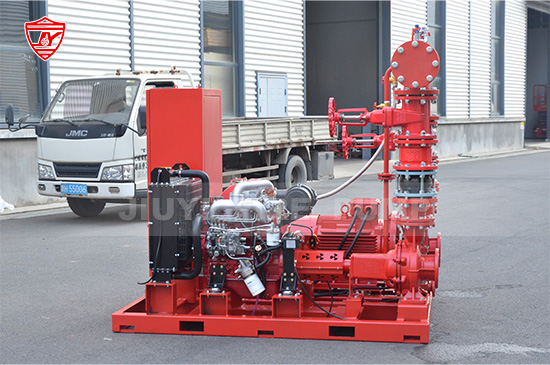
Diesel fire pumps depend entirely on battery power during startup.
Battery-related issues include:
NFPA standards typically require two independent battery systems for diesel fire pumps to improve reliability.
Both batteries should be tested regularly.
A diesel engine cannot start without adequate fuel delivery.
Common fuel-related problems include:
Fuel should be clean, properly stored, and inspected regularly to avoid unexpected engine problems.
Many fire pump controllers include an emergency stop button.
If someone accidentally presses it during maintenance, the pump will not start.
Always verify:
This simple check can often solve the issue immediately.
Although fire pump controllers differ from standard industrial motor controls, some systems may experience overload-related issues during testing or maintenance.
Potential causes include:
Investigate the underlying cause before restarting the system.
Sometimes the driver attempts to start, but the pump cannot rotate.
Mechanical causes include:
Rotating the shaft manually during scheduled inspections can help identify developing mechanical problems before they become serious.
Some fire pumps include protective features or operational limitations when adequate suction water is unavailable.
Possible causes include:
Always verify sufficient water supply before testing the system.
Modern fire pump systems often use numerous sensors.
A failed sensor may prevent startup or trigger controller alarms.
Possible sensor problems include:
Routine electrical inspections reduce unexpected failures.
When a fire pump does not start, avoid guessing. Instead, follow a structured troubleshooting process.
Observe:
Record all information before resetting alarms.
Confirm:
Ensure all three phases are present for electric motor systems.
For diesel pumps:
Weak batteries remain one of the leading causes of diesel startup failures.
Inspect:
Replace contaminated fuel if necessary.
Ensure the controller receives a proper start signal.
Inspect:
Most controllers include a manual start function.
If manual operation succeeds but automatic startup fails, the issue usually lies within the sensing or control circuit rather than the pump itself.
Look for:
Never force rotation if the pump appears seized.
Electric fire pumps commonly experience:
Diesel fire pumps more often encounter:
Understanding the driver type helps narrow the troubleshooting process.
Most startup problems can be prevented through regular inspection and testing.
A comprehensive maintenance program should include:
Weekly:
Monthly:
Quarterly:
Annually:
Following manufacturer recommendations together with applicable fire protection standards significantly improves long-term reliability.
Some components naturally wear over time and should be replaced before failure occurs.
Examples include:
Replacing aging components during planned maintenance is far less expensive than responding to an emergency failure.
Organizations with highly reliable fire protection systems typically follow several best practices.
These include:
Reliability is achieved through consistent maintenance rather than emergency repairs.
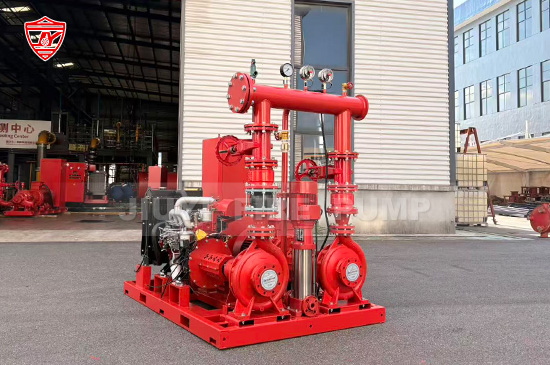
A fire pump that fails to start represents a serious risk to both life safety and property protection. Fortunately, most startup problems stem from identifiable causes such as electrical supply issues, controller faults, battery failures, fuel system problems, pressure switch malfunctions, or mechanical wear.
A structured troubleshooting approach allows maintenance teams to isolate the root cause efficiently and restore the system to service. More importantly, implementing a proactive inspection and preventive maintenance program greatly reduces the likelihood of startup failures when the fire pump is needed most.
For manufacturers, contractors, and facility owners alike, investing in high-quality fire pump equipment, reliable controllers, proper testing, and routine maintenance is the best strategy for ensuring that every fire pump starts immediately and performs as designed during an emergency.
.jpg)