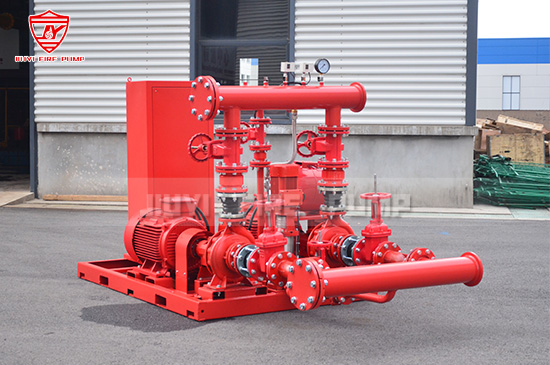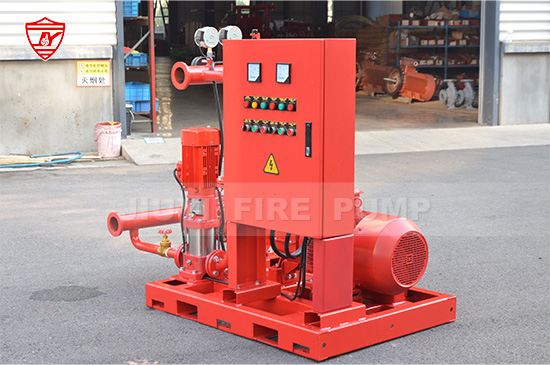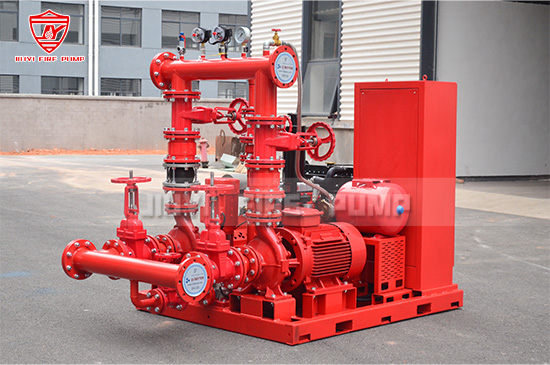
A fire pump is one of the most critical components of any fire protection system. Whether installed in commercial buildings, industrial facilities, warehouses, hospitals, or high-rise developments, its purpose is straightforward: provide adequate water pressure and flow whenever a fire emergency occurs. Because lives and property depend on its performance, even minor operational issues deserve immediate attention.
One of the most common problems affecting fire pumps is losing prime. When a fire pump loses prime, it may fail to move water efficiently or even stop delivering water altogether. During an emergency, this situation can significantly reduce the effectiveness of the entire fire suppression system.
Understanding why a fire pump loses prime, recognizing the warning signs, and implementing proper maintenance practices can help ensure dependable performance for years to come.
.jpg)
Priming refers to filling the pump casing and suction line with water before the pump begins operating. Centrifugal fire pumps are designed to move liquids, not air. If air enters the pump or suction piping, the impeller cannot generate the vacuum needed to draw water into the system.
When a fire pump loses prime, the pump casing is no longer completely filled with water. Instead, air occupies part or all of the pump, reducing its ability to create sufficient suction. As a result, water flow decreases dramatically or stops entirely.
Depending on the severity of the issue, operators may notice:
These symptoms should never be ignored, particularly in fire protection systems where reliability is mandatory.
Unlike general industrial pumping applications, fire pumps often remain idle for extended periods before suddenly being required to operate at full capacity.
When a fire occurs, there is no time to troubleshoot equipment failures. Every second counts.
A properly primed fire pump ensures:
Losing prime compromises all of these functions.
Several factors can contribute to priming problems. Identifying the root cause is essential before attempting repairs.
Air leaks are the most common reason a fire pump loses prime.
Even a small leak in the suction piping allows air to enter while the pump is running. Since centrifugal pumps rely on maintaining a sealed suction path, the introduction of air interrupts normal operation.
Common leak locations include:
Air leaks may not always produce visible water leakage, making them difficult to detect.
If the suction piping contains trapped air during startup, the pump cannot establish the vacuum needed to draw water.
This often occurs after:
Before starting the fire pump, the suction line should always be completely filled.
Many fire pump installations rely on foot valves or check valves to keep water from flowing backward after shutdown.
If these valves leak, water gradually drains from the suction line, allowing air to enter.
Signs of valve failure include:
Regular valve inspection is essential for maintaining prime.
Mechanical seals prevent air from entering around the pump shaft.
As seals wear over time, they may permit small amounts of air to enter while the pump operates.
Seal damage may result from:
Replacing worn seals often restores normal operation.
A clogged suction strainer restricts water flow into the pump.
When the pump cannot receive sufficient water, suction pressure drops and cavitation may occur, eventually contributing to loss of prime.
Typical causes include:
Routine cleaning prevents unnecessary flow restrictions.
Every centrifugal pump has a maximum allowable suction lift.
If the vertical distance between the water source and the pump exceeds design limits, the pump struggles to maintain adequate suction.
Symptoms include:
Proper pump selection during system design minimizes this risk.
When the available water level falls below the suction intake, vortices may form.
These vortices draw air into the suction pipe along with water.
Common water sources include:
Maintaining adequate water levels helps prevent air entrainment.
Cavitation occurs when pressure inside the pump drops below the liquid's vapor pressure, creating vapor bubbles.
When these bubbles collapse inside the pump, they cause:
Cavitation is often linked to suction restrictions or inadequate Net Positive Suction Head (NPSH).
Although less common, a worn or damaged impeller can reduce the pump's ability to generate sufficient suction.
Potential causes include:
Impeller inspection should be part of major maintenance intervals.
Installation mistakes frequently contribute to priming issues.
Examples include:
Following manufacturer recommendations during installation greatly improves long-term reliability.
A systematic troubleshooting process helps identify the actual problem without replacing unnecessary components.
Verify that:
Inspect all suction-side connections carefully.
Pay particular attention to:
Pressure or vacuum testing may reveal leaks that are not visually apparent.
Confirm that:
Replace worn valves if leakage is detected.
Open vent points if available and ensure all trapped air is removed before startup.
Never assume the pump remains primed after maintenance.
Remove accumulated debris and clean the strainer thoroughly.
Even partial blockage can significantly reduce suction performance.
Record operating values including:
Trending these values over time makes it easier to detect gradual deterioration.
If external inspections reveal no issues, examine:
Internal wear may be reducing pump efficiency.
Preventive maintenance is far less expensive than emergency repairs.
A well-planned maintenance program should include:
Conduct routine fire pump test runs.
During testing:
Performance trends often reveal developing issues before failure occurs.
Inspect:
Replace worn components before they fail.
A comprehensive annual inspection should include:
Comprehensive inspections ensure the system continues operating according to design specifications.
In addition to scheduled maintenance, adopting several operational best practices can significantly reduce the likelihood of priming issues.
Always maintain a stable water supply and avoid operating the pump when suction conditions are uncertain. Ensure that suction piping remains airtight, as even small air leaks can compromise pump performance. Replace worn seals, gaskets, and valves before they become major problems rather than waiting for failure.
Regularly exercise the fire pump according to your maintenance schedule to confirm that it starts correctly and develops the required pressure. Keep detailed maintenance records, including inspection dates, pressure readings, flow test results, and any repairs performed. These records can help identify recurring issues and support long-term asset management.
It is also important to train maintenance personnel to recognize early warning signs such as unusual noises, vibration, fluctuating pressure, or extended priming times. Prompt investigation of these symptoms can prevent unexpected failures during emergencies.
Finally, when installing a new fire pump system or upgrading an existing one, ensure that the equipment is properly sized for the application and installed in accordance with applicable standards and the manufacturer's recommendations. Correct system design and professional installation are fundamental to maintaining reliable pump performance throughout its service life.
.jpg)
A fire pump that loses prime is more than a maintenance inconvenience—it is a serious reliability concern that can compromise the effectiveness of an entire fire protection system. The most common causes include air leaks, faulty valves, blocked suction strainers, insufficient water supply, excessive suction lift, cavitation, damaged seals, worn impellers, and installation errors. Fortunately, most of these issues can be identified and corrected through systematic troubleshooting and routine preventive maintenance.
By understanding how priming works, conducting regular inspections, monitoring pump performance, and addressing minor issues before they escalate, facility owners and maintenance teams can significantly improve the reliability and lifespan of their fire pump systems. A well-maintained, properly primed fire pump is essential for delivering immediate and dependable water flow when it matters most, helping protect lives, property, and business continuity during a fire emergency.