Fire pumps are among the most critical components of any fire protection system. They provide the water pressure required to operate sprinkler systems, standpipes, hydrants, and other firefighting equipment during an emergency. When a fire occurs, there is no opportunity for equipment failure. A properly maintained fire pump can mean the difference between a controlled incident and catastrophic property damage.
Whether installed in commercial buildings, industrial facilities, warehouses, airports, hospitals, or power plants, fire pumps must remain in a constant state of readiness. However, even the highest-quality fire pump will experience wear over time if regular maintenance is neglected.
This guide explains how to maintain a fire pump for maximum reliability, covering routine inspections, preventive maintenance, common issues, and best practices that help ensure dependable performance throughout the pump's service life.
.jpg)
Unlike process pumps or water supply pumps that operate daily, fire pumps may remain idle for weeks or even months. Although they are rarely used in actual fire emergencies, they must perform immediately when called upon.
Without proper maintenance, several problems may develop, including:
Routine maintenance helps identify these issues before they become critical failures. Preventive maintenance also reduces repair costs, extends equipment life, minimizes downtime, and ensures compliance with applicable fire protection standards.
Effective maintenance begins with understanding the components of the complete fire pump system.
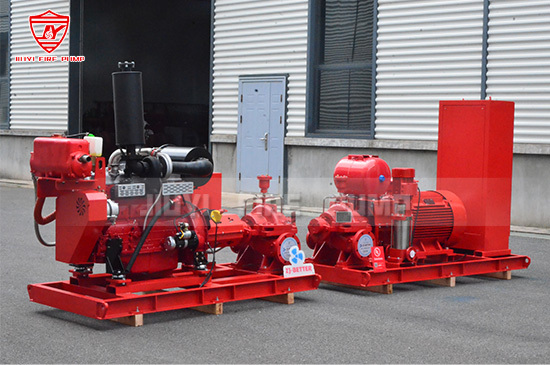
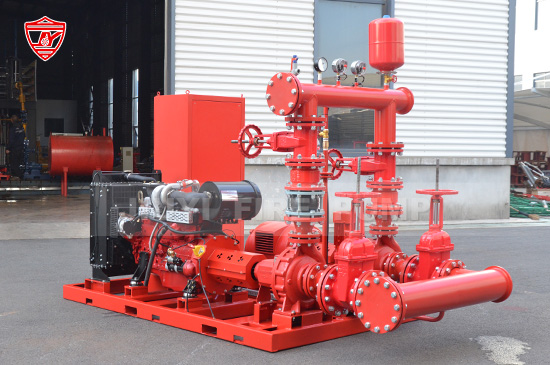
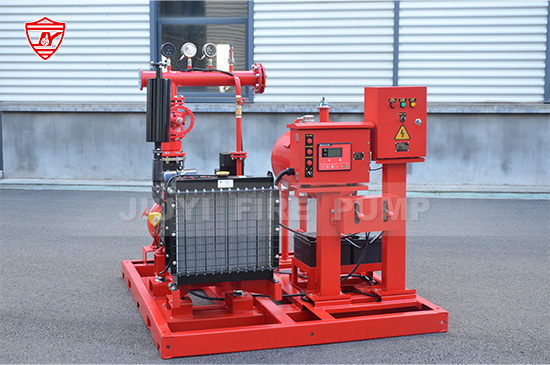
A typical fire pump installation includes:
Each component plays a vital role in system reliability. Maintenance should address the entire installation rather than focusing solely on the pump itself.
One of the most effective ways to maximize reliability is to implement a structured preventive maintenance program.
Maintenance activities are generally divided into:
Weekly inspections typically include:
Regular weekly inspections often reveal developing issues before they affect system performance.
Monthly maintenance should include more detailed inspections such as:
Monthly records also help identify performance trends over time.
More comprehensive inspections include:
Annual maintenance provides an opportunity to evaluate the overall health of the fire pump system.
Visual inspections remain one of the simplest yet most effective maintenance practices.
Operators should routinely check for:
Leaks around seals, packing, flanges, valves, or pipe joints may indicate worn components or improper installation.
Even minor leaks should be investigated promptly.
Corrosion weakens metal components and may eventually affect pump performance.
Pay particular attention to:
Rust should never be ignored.
Excessive vibration often indicates:
Early vibration detection can prevent major mechanical failures.
Grinding, knocking, or scraping sounds often signal developing mechanical problems.
Any abnormal noise should be investigated immediately.
Routine testing confirms that the fire pump will perform under emergency conditions.
Testing should verify:
Performance testing should also compare actual flow and pressure against the original pump curve.
Declining performance may indicate:
Early detection allows repairs before an emergency occurs.
Diesel engine fire pumps require additional maintenance because they include an internal combustion engine.
Important maintenance tasks include:
Diesel fuel naturally degrades over time.
Inspect:
Replace contaminated fuel immediately.
Battery failure remains one of the most common causes of diesel fire pump failure.
Inspect:
Most diesel fire pumps use dual battery systems for improved reliability.
Inspect:
Overheating can seriously damage the engine.
Check:
Clean oil significantly extends engine life.
Electric fire pumps generally require less maintenance than diesel units, but they should never be overlooked.
Key inspection items include:
Loose electrical connections may cause overheating and equipment failure.
Periodic insulation resistance testing also helps detect aging motor windings.
Pressure gauges and flow tests provide valuable information about system health.
Watch for:
These symptoms may indicate:
Trend analysis helps identify gradual deterioration before failures occur.
Proper lubrication reduces friction and prevents premature wear.
Follow manufacturer recommendations regarding:
Over-lubrication can be just as harmful as insufficient lubrication.
Always use lubricants specified by the equipment manufacturer.
The pump room environment directly affects equipment reliability.
Maintain:
Avoid storing unrelated materials inside the pump room.
Dust, moisture, chemicals, and clutter can increase maintenance problems.
An incorrectly positioned valve can prevent a fire pump from delivering water during an emergency.
Regularly verify that:
Valve status should be included in every inspection checklist.
The fire pump controller serves as the system's operational brain.
Routine inspections should verify:
Fault codes should never be ignored.
Address controller issues promptly to maintain system readiness.
Maintenance documentation provides valuable information for long-term reliability.
Records should include:
Historical records help predict future maintenance needs and simplify troubleshooting.
Even advanced fire pump systems require knowledgeable operators.
Personnel should understand:
Regular training reduces human error and improves maintenance quality.
Several maintenance mistakes can significantly reduce fire pump reliability.
Because fire pumps rarely operate during normal conditions, some facilities neglect regular testing.
This increases the risk of hidden failures.
Small leaks often become larger problems over time.
Prompt repairs prevent expensive damage.
Non-compatible parts may reduce performance or void equipment warranties.
Always use approved replacement components.
Weak batteries are a leading cause of diesel fire pump starting failures.
Replace aging batteries before they fail.
Without maintenance records, recurring problems become difficult to identify.
Consistent documentation supports better maintenance planning.
Although routine inspections can be performed by trained maintenance personnel, some tasks require experienced fire pump specialists.
Professional servicing is recommended for:
Experienced technicians have specialized tools and expertise to verify that the system performs according to its original design specifications.
Maintenance begins long before installation. Selecting a reputable fire pump manufacturer can significantly reduce future maintenance requirements.
When evaluating suppliers, consider:
A well-designed and thoroughly tested fire pump system provides a strong foundation for long-term reliability.
.jpg)
Maintaining a fire pump for maximum reliability requires more than occasional inspections. It involves a comprehensive preventive maintenance program that includes routine testing, detailed inspections, proper lubrication, performance monitoring, accurate documentation, and timely repairs.
Whether your facility uses an electric fire pump, a diesel engine fire pump, or a complete fire pump package with a jockey pump and intelligent controller, consistent maintenance is the key to ensuring dependable operation when it matters most.
By following a structured maintenance schedule, training personnel, monitoring system performance, and working with an experienced fire pump manufacturer, facility owners can extend equipment life, reduce unexpected failures, and maintain confidence that their fire protection system will respond effectively in an emergency.