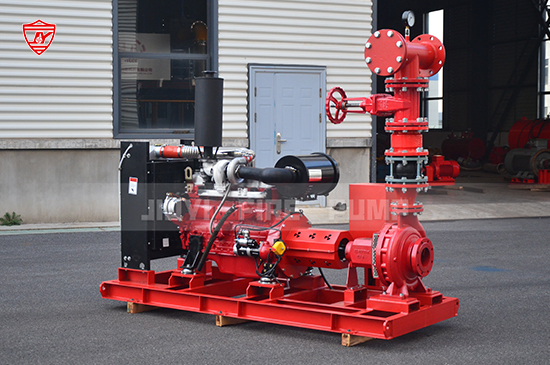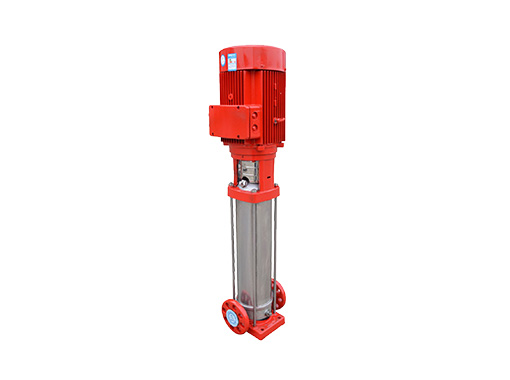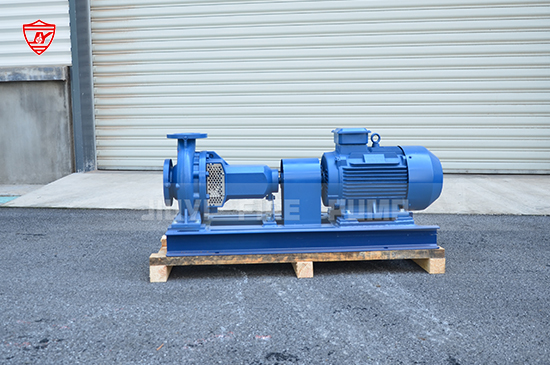
Fire pumps are among the most critical components of any fire protection system. During an emergency, they must deliver adequate water pressure and flow without hesitation. Even a minor fault can compromise the entire fire suppression system, resulting in costly downtime, property damage, or even loss of life. Because of this, routine inspection, testing, and timely troubleshooting are essential for maintaining reliable fire pump performance.
Whether your facility uses an electric fire pump, a diesel engine fire pump, or a complete fire pump package with a jockey pump, understanding the most common issues and knowing how to diagnose them can help reduce maintenance costs while improving operational reliability.
This guide explains the most common fire pump problems, their possible causes, and practical troubleshooting methods that maintenance personnel and facility managers can use.
.jpg)
Unlike ordinary water pumps, fire pumps are designed to remain idle for long periods before operating under emergency conditions. This unique operating pattern means that hidden mechanical or electrical issues may go unnoticed until the pump is actually needed.
Regular troubleshooting helps:
Early detection is always less expensive than emergency repairs after a failure.
Before troubleshooting, it is important to understand the basic operation of a fire pump system.
A typical fire pump system consists of:
When system pressure drops because sprinklers or hydrants are activated, the controller starts the fire pump automatically. The pump increases water pressure to meet the demand throughout the fire protection system.
If any component fails, the overall performance of the system may be affected.
One of the most serious issues is a fire pump that refuses to start.
For electric fire pumps:
For diesel fire pumps:
Begin by checking whether power is reaching the controller.
Inspect:
For diesel-driven pumps:
Modern controllers often display alarm codes that significantly simplify diagnosis.
A pump that runs but cannot generate sufficient pressure cannot protect the building effectively.
Start by checking the suction side.
Inspect:
Next, verify pump rotation.
An electric motor connected with reversed phase sequence may rotate backward, dramatically reducing pump performance.
Inspect the impeller for excessive wear or corrosion.
If pressure remains low after these checks, internal inspection may be required.
Sometimes the fire pump develops pressure but cannot deliver sufficient water flow.
Measure:
Compare these values with the manufacturer's certified performance curve.
Inspect:
Cleaning obstructions often restores normal flow.
Abnormal vibration can quickly damage bearings, couplings, seals, and shafts.
Check pump alignment using precision alignment tools.
Inspect:
If vibration appears only during high flow conditions, cavitation may be occurring.
Cavitation is one of the most destructive problems affecting centrifugal fire pumps.
It occurs when pressure inside the pump drops below the vapor pressure of water, creating vapor bubbles that collapse violently inside the impeller.
Addressing cavitation early prevents expensive pump damage.
Overheating can affect both electric motors and diesel engines.
Inspect:
Maintain manufacturer-recommended operating temperatures.
Diesel fire pumps depend on stable engine speed to maintain rated pressure.
Inspect:
Replace contaminated fuel immediately.
Battery failure is among the most common causes of diesel fire pump startup failures.
Test batteries weekly.
Check:
Replace aging batteries before they fail unexpectedly.
Leaks can reduce pump efficiency and damage nearby equipment.
Inspect visually during testing.
Repair or replace:
Small leaks should never be ignored.
Modern fire pump controllers continuously monitor system operation.
Common alarms include:
Always investigate alarm history rather than simply resetting alarms.
Understanding recurring alarm patterns often reveals developing problems before equipment fails.
The best troubleshooting strategy is preventing problems before they occur.
An effective maintenance program includes:
Consistent maintenance significantly lowers the risk of unexpected failures.
Many maintenance teams spend unnecessary time replacing components before identifying the root cause.
Avoid these common mistakes:
A systematic troubleshooting process always produces better results than guesswork.
While many issues can be resolved through routine maintenance, some situations require assistance from the manufacturer or qualified service personnel.
Seek professional support if you encounter:
Working with an experienced fire pump manufacturer ensures that repairs are carried out correctly and that replacement parts meet the original design specifications. Manufacturer support can also help verify system performance after repairs, reducing the risk of future failures and ensuring the fire protection system remains ready for emergency operation.
.jpg)
Fire pumps are mission-critical assets that demand consistent attention. Most failures do not occur suddenly; they develop gradually through minor issues such as worn bearings, battery deterioration, clogged filters, misalignment, or insufficient maintenance. By recognizing the early warning signs and following a structured troubleshooting process, facility managers and maintenance teams can resolve problems before they escalate into costly breakdowns.
Routine inspections, performance testing, and preventive maintenance are the foundation of a dependable fire protection system. Equally important is partnering with a reliable fire pump manufacturer that provides quality equipment, technical expertise, and responsive after-sales support. With the right maintenance strategy and prompt troubleshooting, your fire pump system will remain reliable, compliant, and prepared to protect lives and property whenever an emergency occurs.