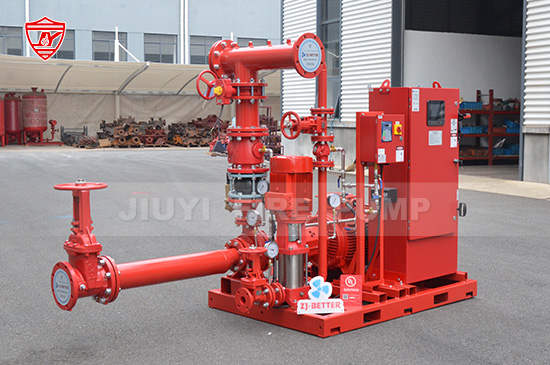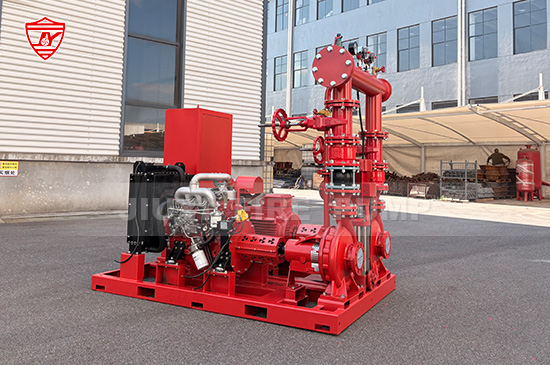
Fire pump systems are among the most critical components of any fire protection system. They provide the water pressure required to operate sprinklers, standpipes, hydrants, and other firefighting equipment during an emergency. Because fire pumps are expected to perform immediately and reliably whenever a fire occurs, regular inspection, testing, and maintenance are essential.
Modern fire protection systems have evolved beyond simple mechanical equipment. Today, many facilities use intelligent monitoring technologies that continuously record operating conditions and system performance. One of the most valuable technologies available is fire pump data logging.
Fire pump data logging allows operators, maintenance teams, and facility managers to collect and analyze valuable operational information over time. Instead of relying only on periodic manual inspections, data logging provides continuous records that help identify developing issues before they become costly failures.
This guide explains what fire pump data logging is, how it works, what information it records, why it matters, and how it contributes to safer and more reliable fire protection systems.
.jpg)
Fire pump data logging is the process of automatically recording operational information from a fire pump system during normal operation, weekly testing, maintenance procedures, and emergency events.
A data logging system continuously captures important operating parameters and stores them electronically. The recorded information creates a historical performance record that maintenance personnel can review whenever necessary.
Rather than simply indicating whether a fire pump is running, data logging captures detailed information such as:
These records provide valuable insight into the health and performance of the entire fire pump system.
Fire pumps often remain idle for long periods. Unlike process pumps that operate daily, a fire pump may only run during weekly testing or actual fire emergencies.
Because of this limited operating schedule, small problems can remain unnoticed until the pump is needed.
Data logging helps overcome this challenge by providing continuous visibility into system performance.
Some major advantages include:
Gradual performance changes often indicate developing mechanical or electrical issues.
Examples include:
Without historical records, these changes can be difficult to recognize.
Data logging makes trends easy to identify before failures occur.
Maintenance decisions become more accurate when based on actual operating data rather than fixed schedules.
Instead of replacing components too early or too late, maintenance teams can evaluate actual equipment condition using recorded performance information.
This reduces unnecessary maintenance while improving system reliability.
When an alarm occurs, historical data provides valuable clues.
Maintenance personnel can review:
This significantly shortens troubleshooting time and helps identify the root cause more accurately.
Many facilities maintain detailed records for inspections and maintenance activities.
Electronic data logs provide organized documentation that supports:
Digital records are easier to store, retrieve, and review than handwritten logs.
A typical fire pump data logging system consists of several integrated components working together.
Sensors measure various operating conditions throughout the fire pump system.
Common sensors include:
These devices continuously collect real-time operating information.
Modern fire pump controllers receive signals from the sensors and monitor overall system operation.
Many advanced controllers include built-in data logging capabilities that automatically record system events.
Controllers may also display:
Collected information is stored in onboard memory or external storage devices.
Some systems keep months or even years of historical operating data depending on available storage capacity.
Software converts raw operating data into useful information through:
Maintenance teams can quickly identify unusual operating patterns without manually reviewing thousands of individual readings.
The exact information depends on the fire pump type and controller features.
Common recorded parameters include the following.
Pressure measurements are among the most important recorded values.
Typical readings include:
Pressure trends help identify blocked piping, valve issues, suction problems, or pump wear.
Flow measurements indicate whether the pump delivers the required water capacity.
Comparing current flow rates with previous test results helps determine whether hydraulic performance is changing.
Electric motor-driven fire pumps typically record:
Electrical abnormalities often indicate developing motor or power supply issues.
Diesel-driven fire pumps monitor additional engine parameters, including:
These values help maintain engine reliability.
Every alarm is recorded with its time and date.
Typical alarms include:
Historical alarm records simplify maintenance investigations.
The total operating hours of the pump provide valuable maintenance information.
Maintenance intervals for bearings, seals, engines, and other components often depend on accumulated operating time.
Fire pump data logging systems vary in complexity.
Entry-level systems record:
These systems provide a simple operational history.
More sophisticated systems continuously record:
This allows comprehensive performance analysis.
Modern facilities increasingly use network-connected monitoring systems.
Authorized users can review fire pump performance remotely from computers or mobile devices.
Remote systems can immediately notify maintenance personnel when abnormal operating conditions occur.
Data logging is valuable across many industries.
Common applications include:
Office towers depend on reliable fire protection systems that comply with local fire safety regulations.
Continuous monitoring improves maintenance planning and system reliability.
Industrial plants often operate large fire pump systems protecting valuable equipment and production lines.
Historical performance data helps minimize unexpected downtime.
Healthcare facilities require uninterrupted fire protection.
Data logging supports proactive maintenance while reducing operational risks.
Large airport fire protection systems contain multiple pumps and extensive piping networks.
Continuous monitoring helps maintain system readiness.
Mission-critical facilities require highly reliable fire suppression systems.
Performance records help ensure fire pumps remain ready for emergency operation.
Hazardous industrial environments often require diesel-driven fire pumps.
Engine performance logging provides additional reliability assurance.
Preventive maintenance is most effective when based on actual equipment condition.
Data logging helps maintenance teams:
Instead of reacting to failures, maintenance becomes predictive.
This reduces repair costs while increasing system availability.
Historical performance records can reveal numerous developing issues before they become serious.
Examples include:
Early identification reduces emergency repairs and extends equipment life.
Organizations can maximize the value of data logging by following several best practices.
Record operating data consistently during every scheduled test.
Review historical trends instead of focusing only on current values.
Investigate abnormal changes promptly rather than waiting for failures.
Store backup copies of important performance records.
Calibrate sensors regularly to maintain measurement accuracy.
Train maintenance personnel to interpret data correctly.
Integrate data logging into the facility's preventive maintenance program.
Use standardized reporting formats to simplify long-term comparisons.
Fire pump monitoring technology continues to advance rapidly.
Modern systems increasingly include:
These technologies help maintenance teams respond faster while improving overall fire protection reliability.
As industrial facilities continue adopting digital asset management, fire pump data logging will become an even more important part of intelligent fire protection systems.
When selecting a fire pump system, buyers should consider more than hydraulic performance alone. Advanced monitoring and data logging capabilities can significantly improve long-term maintenance efficiency and operational reliability.
Look for fire pump systems that offer:
Manufacturers that integrate these features into their fire pump packages provide facility owners with greater visibility into equipment performance throughout the system's lifecycle. This not only simplifies maintenance but also helps ensure the fire pump remains ready to perform when it is needed most.
Fire pump data logging has become an essential tool for maintaining modern fire protection systems. By continuously recording operating conditions such as pressure, flow, electrical performance, engine status, and alarm events, it provides a complete picture of how a fire pump performs over time.
These insights enable facility managers and maintenance teams to detect developing issues early, improve preventive maintenance, simplify troubleshooting, and maintain comprehensive performance records. Instead of relying solely on periodic inspections, organizations can make informed decisions based on accurate historical data.
As fire protection systems become increasingly connected and intelligent, data logging will continue to play a vital role in improving reliability, reducing maintenance costs, and ensuring that fire pumps are always prepared to operate effectively during an emergency. Investing in fire pumps equipped with advanced monitoring and data logging capabilities is therefore a practical step toward enhancing the long-term safety and resilience of any fire protection system.
.jpg)