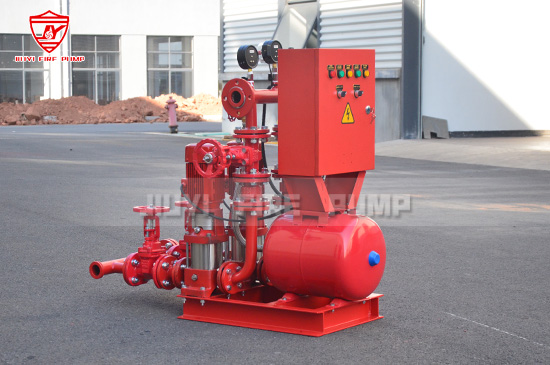
A fire pump is one of the most important components in a building’s fire protection system. When a fire emergency occurs, the sprinkler system and hydrants depend on the fire pump to provide sufficient water pressure and flow. However, simply installing a fire pump does not guarantee effective fire protection. The real value of a fire pump lies in its reliability.
Fire pump reliability refers to the ability of a fire pump system to operate correctly whenever it is needed, delivering the required water flow and pressure under emergency conditions. A reliable fire pump must maintain consistent performance, withstand harsh operating environments, and remain ready after long periods of standby.
For industrial facilities, commercial buildings, warehouses, power plants, and high-rise structures, fire pump reliability is directly related to life safety, property protection, and business continuity.
.jpg)
Fire pump reliability is the combination of several factors that ensure a pump system performs successfully during a fire emergency. Unlike ordinary water pumps that operate frequently, fire pumps usually remain inactive for long periods and must start immediately when a fire protection system demands water.
A reliable fire pump system should have:
The reliability of a fire pump is not determined by one single component. It depends on the complete system, including the pump, driver, controller, power supply, fuel system, and supporting equipment.
For example, a high-performance pump with an unreliable power source may fail during a fire. Similarly, a quality diesel engine fire pump may not perform properly if the fuel system is poorly maintained.
Fire protection systems are designed for emergency situations where failure is not an option. A fire pump may remain unused for months or even years, but when a fire occurs, it must immediately provide the required water supply.
Several reasons make fire pump reliability essential:
The primary purpose of a fire pump is to support sprinkler systems, standpipes, and hydrants with adequate water pressure. If a fire pump fails, firefighting equipment may not receive enough water to control the fire.
Reliable fire pumps help firefighters and automatic suppression systems respond effectively, reducing risks to occupants and emergency personnel.
Industrial plants, warehouses, data centers, and commercial buildings often contain valuable equipment and materials. A dependable fire pump system helps control fires quickly, minimizing damage and operational downtime.
Many projects require fire pumps to meet international standards such as NFPA 20 and certification requirements such as UL listing. These standards define requirements for pump design, installation, testing, and performance.
Using reliable fire pump equipment helps contractors, consultants, and building owners meet project specifications and regulatory requirements.
Several important factors determine whether a fire pump system can perform successfully during an emergency.
The foundation of fire pump reliability starts with professional design and manufacturing.
A reliable fire pump should be manufactured using high-quality materials and precise engineering processes. Components such as pump casing, impeller, shaft, bearings, mechanical seals, and drivers must be designed to withstand continuous standby conditions and emergency operation.
Professional fire pump manufacturers conduct performance testing to verify flow rate, pressure, vibration levels, and operating stability before delivery.
Manufacturing experience is also important because fire pumps require specialized knowledge of fire protection applications, hydraulic performance, and international standards.
Selecting the correct fire pump is critical for long-term reliability.
A fire pump must match the hydraulic requirements of the building, including:
An incorrectly sized pump may experience problems such as insufficient pressure, excessive energy consumption, vibration, or premature component failure.
For example, a pump that operates far away from its best efficiency point may suffer from increased wear and reduced service life.
The driver is a key element of fire pump reliability. Common fire pump drivers include electric motors and diesel engines.
Electric fire pumps require a stable power supply. In many critical applications, an emergency power source is provided to ensure operation even during electrical failures.
Diesel fire pumps are often selected for applications where power reliability is a concern. A properly maintained diesel engine provides an independent power source for fire protection systems.
The reliability of the driver directly affects whether the fire pump can start and operate during an emergency.
A complete fire pump system includes more than the pump itself. Controllers, pressure switches, valves, fuel tanks, batteries, and monitoring systems all influence overall reliability.
A reliable controller should automatically start the pump when system pressure drops and provide accurate monitoring of operating conditions.
Supporting components should also be designed for long-term standby operation and quick response during emergencies.
Even the highest-quality fire pump requires regular inspection and maintenance.
Because fire pumps often remain idle, problems may not be discovered until an emergency occurs. Routine testing helps identify potential issues before they become failures.
Common maintenance activities include:
Regular testing ensures that the fire pump remains ready for immediate operation.
Testing is one of the most important methods to verify fire pump reliability.
Fire pump testing typically includes:
A no-flow test checks whether the pump starts correctly and verifies basic system operation. It helps confirm controller function, pressure maintenance, and abnormal conditions.
A flow test evaluates actual pump performance under operating conditions. It measures whether the pump can provide the required pressure and flow according to design requirements.
Many fire protection systems require regular performance testing to confirm that the fire pump continues to meet required standards.
Testing helps detect issues such as reduced pump capacity, mechanical problems, or driver performance problems.
Certification plays an important role in demonstrating fire pump reliability.
UL Listed fire pumps are tested and evaluated according to strict requirements for safety, performance, and durability. They are commonly used in projects where international certification is required.
For global projects, including commercial buildings, industrial facilities, and infrastructure projects, UL listed fire pumps provide additional confidence for engineers, contractors, and owners.
However, certification alone does not replace proper installation and maintenance. A reliable fire pump system requires the combination of certified equipment, correct engineering, and ongoing inspection.
Professional fire pump manufacturers continuously improve reliability through advanced engineering, testing capabilities, and quality control.
Important manufacturing practices include:
Modern fire pump manufacturers also invest in intelligent testing systems to evaluate performance under different operating conditions.
These processes help ensure that every fire pump delivered to customers can provide dependable protection when required.
Understanding failure causes helps improve system reliability.
Common reasons include:
Most fire pump failures can be prevented through proper design, professional installation, and scheduled maintenance.
Building owners and fire protection professionals can improve reliability by following several best practices:
A proactive approach ensures that fire pumps remain ready throughout their service life.
.jpg)
Fire pump reliability is a critical factor in the effectiveness of any fire protection system. A reliable fire pump must deliver consistent performance, start immediately during emergencies, and operate safely under demanding conditions.
Achieving high reliability requires a combination of quality manufacturing, correct system design, dependable drivers, proper installation, regular testing, and professional maintenance.
For fire safety projects, choosing a trusted fire pump manufacturer and maintaining the system according to recognized standards are essential steps toward protecting people, property, and business operations.
A reliable fire pump is more than a piece of equipment—it is a critical safeguard that provides confidence when it matters most.
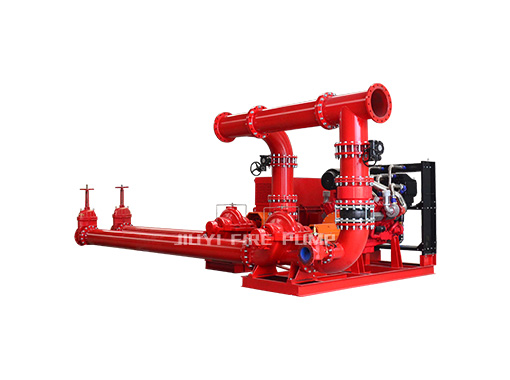
.jpg)