Fire pump commissioning is a critical process that ensures a newly installed fire pump system is correctly installed, properly adjusted, and ready to provide reliable water supply during a fire emergency. Unlike regular startup, commissioning involves a comprehensive series of inspections, tests, and performance evaluations to verify that the entire fire pump system operates according to design requirements and fire protection standards.
For building owners, fire protection contractors, and facility managers, proper fire pump commissioning is essential because a fire pump is one of the most important components of an active fire protection system. A properly commissioned fire pump can deliver the required water flow and pressure when it is needed most, while an improperly commissioned system may fail during an emergency.
As a professional fire pump manufacturer, understanding the commissioning process helps customers ensure their fire pump systems, including electric fire pumps, diesel engine fire pumps, and jockey pumps, achieve maximum reliability and long-term performance.
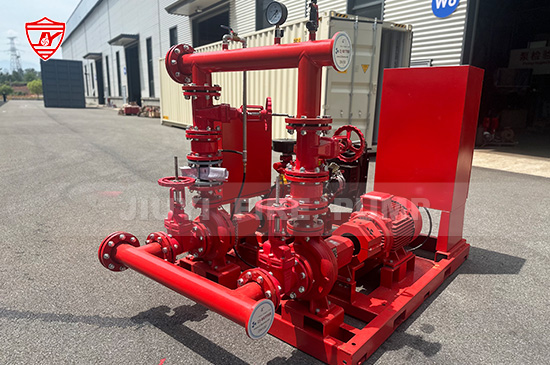
Fire pump commissioning is the process of verifying, testing, and documenting that a fire pump system has been installed correctly and operates according to the approved design specifications, manufacturer requirements, and applicable fire protection standards.
The commissioning process typically begins after the fire pump system installation is completed. It includes checking mechanical and electrical connections, confirming system settings, performing operational tests, measuring pump performance, and ensuring all components work together properly.
A complete fire pump system may include:
Each component must function correctly to ensure the fire pump system can provide dependable water pressure and flow during a fire event.
Fire pumps are designed for emergency situations where failure is not an option. A fire pump that has not been properly commissioned may have hidden problems that are difficult to detect until an actual emergency occurs.
The main purposes of fire pump commissioning include:
A fire pump must deliver the required flow rate and pressure specified by the fire protection design. Commissioning verifies whether the pump performance matches the approved requirements.
During testing, technicians measure:
These measurements confirm whether the fire pump can meet the required operating conditions.
Even high-quality fire pumps may experience performance issues if installation is incorrect.
Commissioning helps identify problems such as:
Finding these issues before system operation prevents costly failures in the future.
Fire pump commissioning is often required by international fire protection standards, including NFPA 20 requirements for stationary fire pumps.
Compliance with recognized standards helps ensure:
For UL listed fire pumps, commissioning is also an important step to verify that the installed system continues to perform according to certified requirements.
The fire pump commissioning process usually includes several important stages.
Before testing begins, engineers review all relevant documents, including:
This step ensures the installed equipment matches the approved design.
A complete inspection of the fire pump system is performed to verify installation quality.
The inspection normally includes:
Technicians check:
The team verifies:
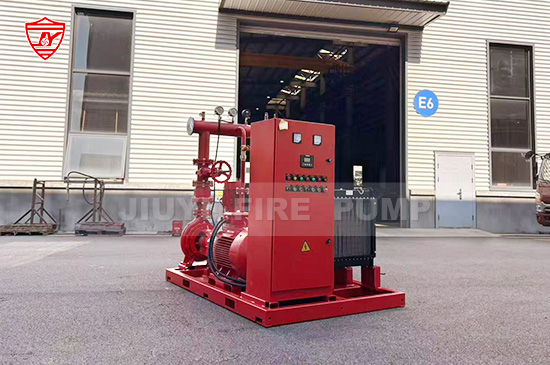
For electric fire pumps, inspectors check:
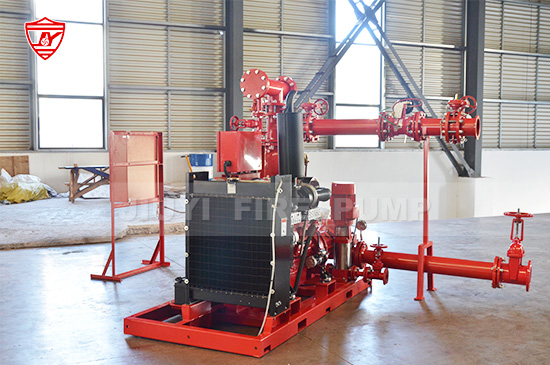
For diesel fire pumps, inspectors check:
The no-flow test, also called a churn test, evaluates fire pump operation when there is no water discharge.
During this test, technicians verify:
This test provides important information about pump condition at zero flow.
The flow test is one of the most important parts of fire pump commissioning.
The pump is tested at different operating points, commonly including:
The measured results are compared with the manufacturer's pump performance curve.
A successful flow test confirms that the pump can provide adequate water flow and pressure for fire protection requirements.
A fire pump system must automatically start when the pressure drops below the preset level.
During commissioning, technicians test:
For systems using electric and diesel backup pumps, the sequence of operation must be verified to ensure continuous protection.
A proper fire pump commissioning checklist helps ensure that no important step is missed.
A typical checklist includes:
Although fire pump testing and commissioning are related, they are not exactly the same.
Fire pump testing focuses mainly on checking pump operation and performance through specific tests.
Fire pump commissioning is a broader process that includes:
Testing is one part of commissioning, while commissioning covers the entire process of preparing the fire pump system for operation.
Many issues can be discovered during commissioning. Common problems include:
Electric motors must rotate in the correct direction. Incorrect rotation can significantly reduce pump performance.
A fire pump cannot provide the required performance if the water source cannot supply enough water.
Improper pressure switch settings may cause delayed starting or unnecessary pump operation.
Diesel fire pumps require reliable starting systems. Battery, fuel, and controller problems must be checked carefully.
Air trapped inside the pump or suction piping can reduce efficiency and cause unstable operation.
A professional fire pump manufacturer plays an important role in successful commissioning.
Manufacturers can support customers by providing:
For complex projects, especially those requiring UL listed fire pumps, manufacturer support helps ensure the system meets performance expectations and regulatory requirements.
At BETTER Technology Group, we provide a complete range of fire pump solutions, including electric fire pumps, diesel engine fire pumps, jockey pumps, and UL certified fire pump systems. With advanced testing equipment and professional engineering experience, we help customers achieve reliable and efficient fire protection solutions.
Fire pump commissioning is a vital step in ensuring a fire protection system operates safely and reliably. It confirms that the pump system has been installed correctly, meets design requirements, and can deliver the necessary water flow and pressure during an emergency.
A complete commissioning process includes inspection, testing, adjustment, and documentation. Whether it is an electric fire pump, diesel engine fire pump, or complete fire pump set, proper commissioning provides confidence that the system will perform when it matters most.
Investing in professional fire pump commissioning not only improves system reliability but also helps protect buildings, assets, and human lives through dependable fire protection performance.
.jpg)
.jpg)