Fire safety is one of the most critical considerations for commercial buildings, industrial facilities, warehouses, high-rise buildings, and infrastructure projects. A reliable fire protection system is designed to detect, control, and extinguish fires before they cause catastrophic damage. Among all fire protection components, the fire pump plays a vital role by ensuring that sufficient water pressure and flow are available when a fire emergency occurs.
A fire sprinkler system, hydrant system, or other water-based fire suppression equipment can only perform effectively when it receives an adequate water supply. In many buildings, the available municipal water pressure is not enough to meet the demand of fire protection systems. This is where a fire pump becomes essential.
As a professional fire pump manufacturer, BETTER Technology Group provides reliable fire pump solutions designed to support different applications, including commercial buildings, industrial plants, energy facilities, and large-scale infrastructure projects.
.jpg)
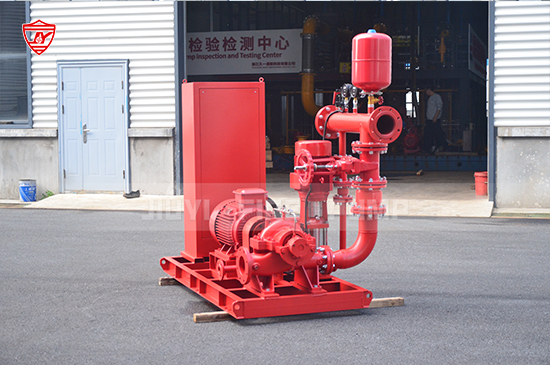
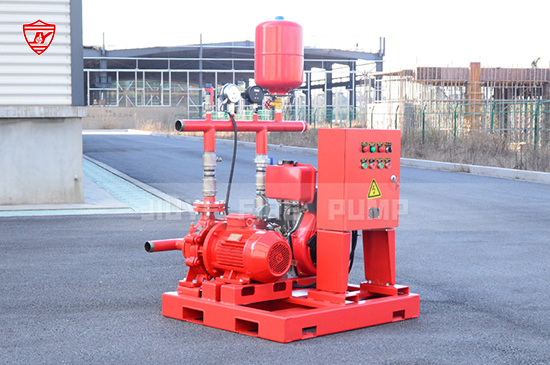
A fire pump is a specialized pump used in fire protection systems to increase water pressure and deliver the required water flow to firefighting equipment. Unlike ordinary water pumps, fire pumps are specifically designed to operate during emergency situations and must meet strict reliability and performance requirements.
Fire pumps are usually installed as part of a complete fire pump system, which may include:
The main purpose of a fire pump is to provide a stable and sufficient water supply when a fire occurs. When sprinklers or fire hydrants are activated, the fire pump starts automatically to maintain the pressure needed for effective firefighting.
One of the most important functions of a fire pump is maintaining the required water pressure for fire suppression systems.
In many buildings, especially high-rise structures and large industrial facilities, the normal water supply system cannot generate enough pressure to operate sprinklers effectively. Without sufficient pressure, sprinkler heads may not release enough water to control or extinguish a fire.
A fire pump compensates for this limitation by increasing water pressure and delivering water at the required flow rate. This ensures that firefighting systems can operate properly during the most critical moments.
Modern buildings are becoming larger and more complex, creating higher demands for fire protection systems. Factories, warehouses, airports, shopping centers, power plants, and data centers often require powerful fire protection equipment to protect valuable assets and human lives.
Fire pumps are essential in these applications because they can supply large volumes of water over long distances and to multiple fire protection points.
For example:
A properly selected fire pump system helps ensure that every protected area receives sufficient firefighting water.
Fire sprinkler systems are among the most widely used fire protection solutions worldwide. However, sprinklers depend on a reliable water supply to function correctly.
When a sprinkler head activates due to high temperature, the system pressure decreases. The fire pump detects this pressure drop and starts automatically, supplying additional water to the sprinkler network.
Without a properly designed fire pump, even a high-quality sprinkler system may fail to provide effective protection.
This makes the fire pump a key component connecting the water source and the fire suppression equipment.
Fire emergencies are unpredictable, and fire protection systems must operate immediately without failure. Unlike normal water pumps, fire pumps are designed for emergency operation and long-term reliability.
Professional fire pumps are manufactured with durable materials and tested according to industry standards to ensure dependable performance when needed.
Reliable fire pump systems typically include backup solutions such as:
For facilities where uninterrupted operation is critical, diesel fire pumps provide an additional power source when electrical power is unavailable during a fire emergency.
Fire protection systems must comply with strict industry standards to ensure safety and reliability. One of the most recognized standards for fire pump installation is NFPA 20, which provides requirements for the selection and installation of stationary fire pumps.
Many projects also require UL Listed fire pumps or other certified equipment to ensure product quality and performance.
Compliance with recognized standards helps building owners, engineers, and contractors ensure that their fire protection systems meet safety expectations.
A professional fire pump manufacturer should provide products that meet international requirements and support customers with suitable solutions for different project conditions.
Choosing the right fire pump depends on the building type, water supply conditions, required flow rate, pressure requirements, and local regulations.
Electric fire pumps are widely used where a reliable electrical power supply is available. They offer stable performance, easy maintenance, and efficient operation.
Common applications include:
Electric fire pumps are often selected because they provide consistent performance and lower operating costs.
Diesel fire pumps are commonly used in applications where power reliability is a major concern.
Because diesel engines operate independently from the electrical grid, they can continue providing water pressure even during power failures.
Typical applications include:
Diesel fire pumps are an important backup solution for critical fire protection systems.
A jockey pump is a small pressure maintenance pump installed together with the main fire pump.
Its main function is to maintain system pressure and prevent unnecessary activation of the main fire pump due to minor pressure fluctuations.
By maintaining stable pressure, the jockey pump helps extend the service life of the main fire pump system.
Selecting a suitable fire pump requires careful consideration of several factors:
The fire pump must provide enough water flow and pressure based on the design requirements of the fire protection system.
Engineers usually calculate the required pump capacity according to sprinkler demand, building height, hazard classification, and system layout.
The available power source determines whether an electric fire pump, diesel fire pump, or combined system is the best choice.
Facilities with unstable electrical supply often require diesel-driven solutions for additional reliability.
Different countries and projects may require specific certifications. UL Listed fire pumps are commonly required for many international projects because they provide verified performance and quality assurance.
Working with an experienced fire pump manufacturer is essential to ensure product reliability, technical support, and compliance with project requirements.
A professional manufacturer should have strong engineering capabilities, testing facilities, and experience supporting international fire protection projects.
With increasing demands for building safety, fire pumps continue to play a crucial role in modern fire protection systems. They are not simply pumping equipment but a safety-critical component responsible for protecting lives, property, and business operations.
From skyscrapers and factories to airports and energy facilities, reliable fire pumps provide the necessary water pressure to support firefighting systems when every second matters.
Investing in a high-quality fire pump system helps reduce risks, improve emergency response capability, and ensure compliance with international fire safety standards.
.jpg)
A fire pump is one of the most important components in a complete fire protection system. It ensures that sprinklers, hydrants, and other firefighting equipment receive sufficient water pressure and flow during emergencies.
Whether using an electric fire pump, diesel fire pump, or complete fire pump set, selecting reliable equipment from an experienced manufacturer is essential for long-term safety and performance.
For commercial buildings, industrial facilities, and infrastructure projects, a properly designed fire pump system provides the confidence that fire protection equipment will perform effectively when it is needed most.