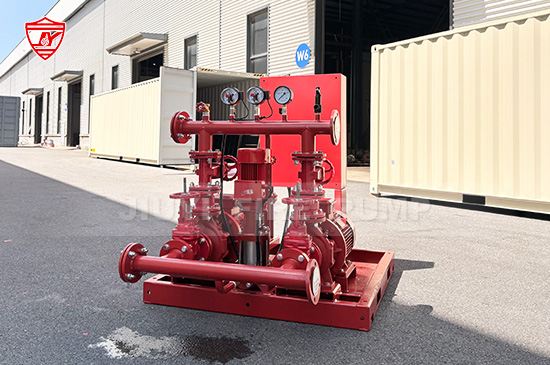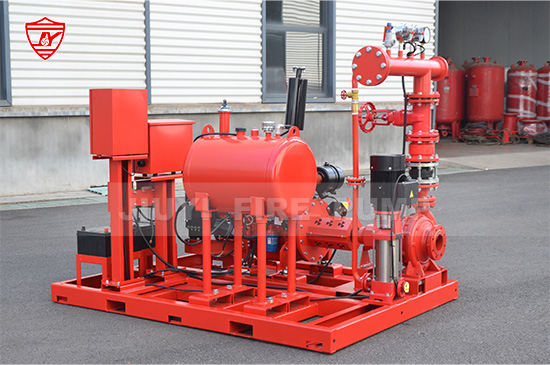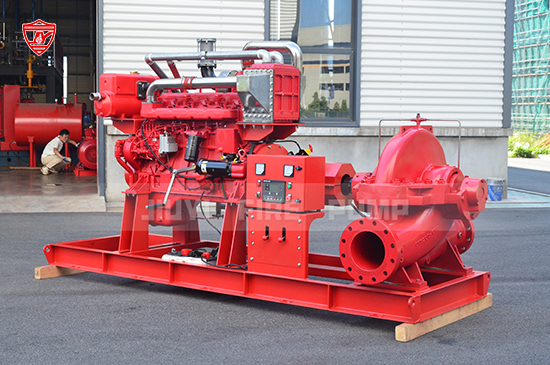
Fire protection systems are designed to safeguard lives, buildings, and critical assets during emergencies. At the heart of many fire protection systems is the fire pump, which provides the pressure and flow required for sprinkler systems, hydrants, and standpipe systems to operate effectively. However, as buildings age, regulations evolve, and operational demands increase, an existing fire pump system may no longer deliver the performance required for modern fire protection.
Upgrading a fire pump system is not simply about replacing old equipment. It is an opportunity to improve system reliability, increase efficiency, reduce maintenance costs, and ensure compliance with current fire protection standards. Whether managing a commercial building, industrial facility, warehouse, hospital, or manufacturing plant, understanding how to upgrade an existing fire pump system can help maximize long-term safety and investment.
This guide explains when an upgrade is necessary, how to plan the process, and the key factors that contribute to a successful fire pump system modernization.
.jpg)
Many facilities continue operating fire pump systems that were installed decades ago. While these systems may still function, they often present challenges that affect reliability and performance.
Common reasons for upgrading include:
A proactive upgrade helps reduce the risk of unexpected failures during emergencies while lowering long-term operating costs.
Not every fire pump requires immediate replacement. However, several warning signs indicate that modernization should be considered.
Repeated bearing failures, seal leaks, vibration, overheating, or engine problems usually indicate significant wear. As maintenance frequency increases, repair costs can quickly exceed the value of continued operation.
Building renovations, additional floors, expanded sprinkler coverage, or increased water demand may require greater flow or pressure than the original pump was designed to provide.
Hydraulic calculations should be reviewed whenever major building modifications occur.
Older fire pump controllers may lack modern diagnostic capabilities, event logging, remote monitoring, and improved protection features.
Modern controllers simplify maintenance while enhancing operational reliability.
Manufacturers eventually discontinue older components. If replacement motors, controllers, engines, or pump parts become difficult to source, upgrading may be the more practical long-term solution.
Fire protection standards continue to evolve. Systems installed years ago may no longer comply with current NFPA requirements, insurance expectations, or local authority regulations.
Before replacing any equipment, conduct a complete evaluation of the existing fire protection system.
The assessment should include:
Professional testing helps determine whether individual components can be upgraded or if complete replacement is more economical.
Building usage often changes over time.
Consider whether the facility now includes:
Each change may increase required fire flow.
A hydraulic analysis should confirm whether the existing pump still meets design requirements.
One of the most important decisions is whether to retrofit the existing system or replace it entirely.
Retrofitting may include replacing only selected components such as:
Benefits include:
Complete replacement is often the better choice when:
Although initial costs are higher, a new system often provides decades of reliable operation with lower maintenance expenses.
Different applications require different fire pump configurations.
Common options include:
These pumps are widely used in commercial buildings, industrial facilities, airports, and hospitals because of their:
Suitable for:
They offer compact installation and economical operation.
Ideal when the primary water source is:
They provide dependable performance when positive suction pressure is unavailable.
The driver powers the fire pump and is a critical component of the system.
Modern electric motors offer:
Facilities with stable electrical infrastructure often benefit from electric fire pumps.
Diesel fire pumps remain essential for facilities where electrical reliability cannot be guaranteed.
Modern diesel engines provide:
Many industrial facilities choose diesel fire pumps to ensure uninterrupted operation during power outages.
The controller acts as the system's operating center.
Today's fire pump controllers offer advanced features such as:
These features significantly improve troubleshooting and preventive maintenance.
Even the most advanced fire pump cannot compensate for an inadequate water supply.
Evaluate:
If the building's demand has increased, larger water storage tanks or additional supply improvements may be necessary.
During the upgrade process, inspect all supporting equipment.
Components commonly replaced include:
Replacing aging accessories helps maximize overall system reliability.
Modern fire protection increasingly relies on intelligent monitoring.
Advanced monitoring systems can provide:
Real-time monitoring allows maintenance teams to identify potential issues before they become critical failures.
After installation, the upgraded system should undergo complete performance testing.
Testing typically includes:
Acceptance testing confirms that the upgraded system performs according to design requirements.
Several mistakes can reduce the effectiveness of an upgrade.
Selecting a pump that is significantly larger than required may cause:
Proper hydraulic calculations are essential.
New equipment must integrate with existing piping, valves, sprinkler systems, and electrical infrastructure.
Compatibility should always be verified during design.
Keeping deteriorated valves, piping, or controllers while replacing only the pump can reduce the overall reliability of the system.
A complete evaluation helps determine which components should be modernized together.
The lowest purchase price rarely delivers the lowest lifetime cost.
Consider:
Lifecycle cost analysis often demonstrates greater long-term value.
A properly planned upgrade provides numerous operational benefits.
Modern equipment is designed with higher manufacturing standards and better materials, reducing the likelihood of failure during emergencies.
Upgraded systems are more likely to satisfy current fire protection standards, insurance requirements, and local authority expectations.
New pumps, controllers, motors, and engines typically require less maintenance while offering longer service intervals.
An upgraded fire pump can provide the required pressure and flow for expanded facilities or updated fire protection systems.
High-quality fire pumps can provide reliable service for decades when installed correctly and maintained properly.
Digital control systems improve operational visibility, allowing maintenance personnel to respond quickly to alarms and schedule preventive maintenance more effectively.
Upgrading a fire pump system requires careful engineering, product selection, and installation planning. Choosing an experienced manufacturer helps ensure that every component is properly matched to the facility's fire protection requirements.
An experienced manufacturer can assist with hydraulic evaluations, equipment selection, customized pump packages, controller integration, factory performance testing, technical documentation, and after-sales support. Whether the project involves electric fire pumps, diesel engine fire pumps, horizontal split case pumps, end suction pumps, or vertical turbine pumps, professional guidance reduces project risks and helps ensure dependable long-term performance.
.jpg)
A fire pump system upgrade is a strategic investment in safety, reliability, and operational continuity. Rather than waiting for equipment failure, facility owners should evaluate existing systems regularly and plan upgrades based on performance, compliance, and future building needs.
The most successful projects begin with a detailed system assessment, followed by careful equipment selection, proper hydraulic analysis, and thorough acceptance testing. Modern fire pump technology delivers improved efficiency, smarter monitoring, lower maintenance costs, and greater confidence that the fire protection system will perform when it is needed most.