
Fire pumps play a critical role in fire protection systems, ensuring that water is delivered at the required pressure during emergencies. However, like any mechanical system, fire pumps are not immune to failure. When a fire pump fails, the consequences can be severe—ranging from property damage to loss of life. Understanding the most common fire pump failure and how to prevent it is essential for engineers, contractors, and facility managers alike.
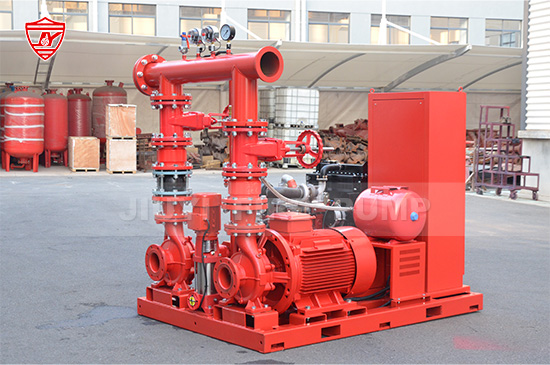
Among all potential issues, the most common and critical fire pump failure is failure to start. This issue is particularly dangerous because it often goes unnoticed until the pump is actually needed in an emergency.
A fire pump that does not start automatically when system pressure drops renders the entire fire protection system ineffective. Whether it is an electric fire pump or a diesel-driven unit, the inability to start is the single point of failure that can compromise the entire system.
Understanding the root causes of failure to start is the first step toward prevention. Several factors contribute to this issue:
Electric fire pumps rely on a stable and reliable power source. Common problems include:
Even a minor electrical fault can prevent the pump from starting when needed.
Diesel fire pumps depend heavily on batteries for starting. Common battery-related issues include:
A diesel engine that cannot crank due to battery failure is a frequent and preventable issue.
The fire pump controller acts as the brain of the system. If it fails, the pump may not receive the signal to start. Causes include:
Neglecting routine maintenance is one of the biggest contributors to fire pump failure. Over time, components degrade, connections loosen, and systems fall out of calibration.
Incorrect settings, accidental shutdowns, or improper testing procedures can all lead to startup failures. In some cases, manual valves may be left closed, or the pump may be unintentionally disabled.
While failure to start is the most critical, other issues also affect performance:
A fire pump may start but fail to maintain adequate pressure due to:
Overheating can cause automatic shutdown or long-term damage. It is often caused by:
Bearings, seals, and shafts naturally wear over time. Without timely replacement, these components can lead to pump inefficiency or failure.
Contaminated fuel, clogged filters, or fuel leaks can prevent proper engine operation.
Preventing fire pump failure requires a proactive and systematic approach. Below are the most effective strategies:
Routine testing is essential to ensure that the fire pump operates correctly under real conditions. Weekly or monthly test runs help identify issues before they become critical.
Key testing practices include:
Testing should simulate actual operating conditions as closely as possible.
Preventive maintenance is the backbone of fire pump reliability. A well-structured maintenance plan should include:
Maintenance should be performed according to recognized standards and manufacturer recommendations.
Battery failure is one of the easiest issues to prevent. Best practices include:
Installing dual battery systems adds redundancy and improves reliability.
For electric fire pumps:
Power reliability directly impacts pump performance.
The controller should be checked regularly to ensure proper operation. Key steps include:
A malfunctioning controller can silently disable the system.
Human error can be minimized through proper training. Staff should understand:
Clear documentation and standard operating procedures are essential.
Maintenance logs and test records provide valuable insights into system performance. They help:
Documentation is often overlooked but plays a critical role in long-term reliability.
The reliability of a fire pump system depends heavily on the quality of its components. Investing in high-quality pumps, engines, controllers, and accessories reduces the likelihood of failure.
Certified and tested equipment ensures compliance with international standards and improves overall system performance.
In addition to routine maintenance, annual inspections by qualified professionals are essential. These inspections typically include:
Professional assessments provide an extra layer of assurance.
Recognizing early warning signs can prevent major failures. Watch for:
Addressing these signs promptly can prevent system breakdown during critical moments.
Neglecting fire pump maintenance may save short-term costs but can lead to severe long-term consequences:
A proactive approach is always more cost-effective than reactive repairs.
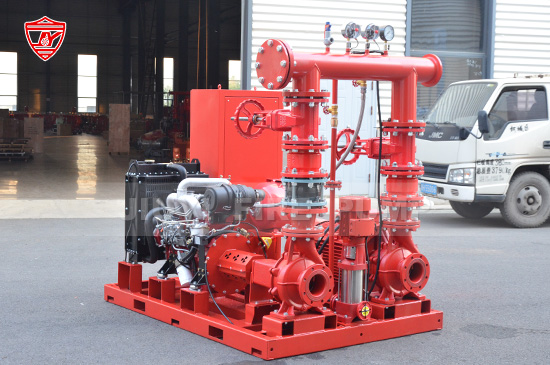
The most common fire pump failure—failure to start—is also the most dangerous. It often results from preventable issues such as power problems, battery failure, controller malfunctions, or lack of maintenance.
By implementing regular testing, strict maintenance schedules, proper training, and high-quality equipment, you can significantly reduce the risk of failure. Fire pumps are the heart of any fire protection system, and their reliability must never be compromised.
.jpg)
.jpg)