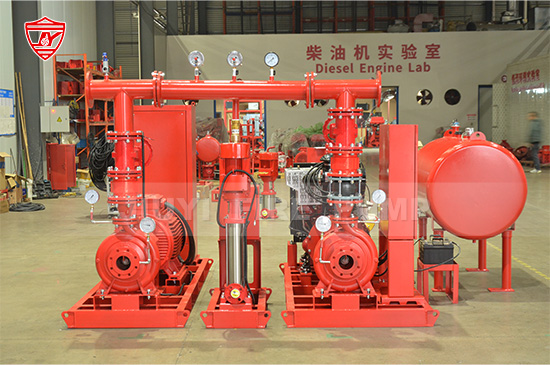
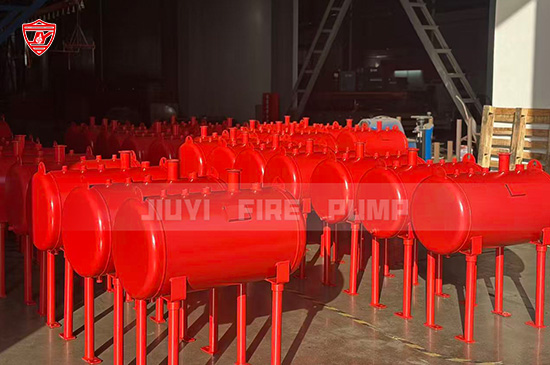
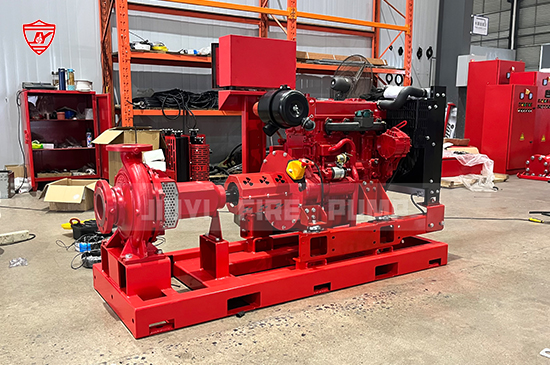
Fire pump systems are vital for ensuring the safety of your facility in the event of a fire. They provide the necessary water pressure to fire sprinklers, hydrants, and other fire suppression systems, potentially saving lives and protecting property. However, just as these systems can save your facility, they can also fail if not properly maintained and tested. Fire pump failures can lead to devastating consequences, including property loss, damage, and injury. Preventing such failures should be a priority for any facility manager or business owner.
In this article, we will discuss essential steps for protecting your facility from fire pump system failures. By following these guidelines, you can enhance the reliability of your fire pump system and ensure that it functions effectively when needed most.
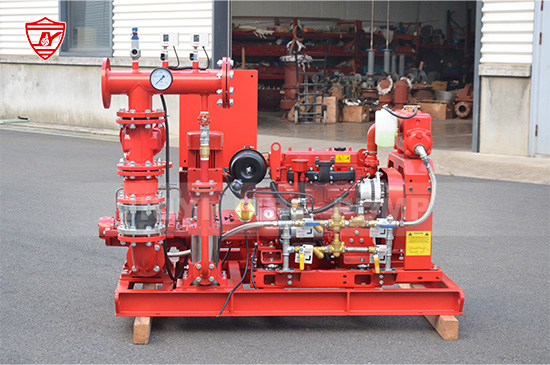
1. Regular Inspection and Maintenance
A well-maintained fire pump system is the cornerstone of fire safety in your facility. Regular inspections and proactive maintenance will help identify potential issues before they lead to system failures.
- Visual Inspections: Conduct routine visual inspections of the fire pump room to ensure that all components are free from debris, dust, or any potential blockages that could impact performance. Check the motor and pump for signs of wear or corrosion.
- Check the Fuel Supply: For diesel-driven fire pumps, ensure the fuel supply is adequate and stored in clean, safe containers. Monitor fuel levels regularly and perform fuel quality tests to avoid contamination.
- Pump and Motor Alignment: Misalignment of the pump and motor can cause vibration and excessive wear. Check the alignment regularly and adjust as needed to avoid unnecessary damage.
- Lubrication: Ensure that bearings, shafts, and other moving parts are well-lubricated to minimize friction and wear. Use high-quality lubricants as recommended by the manufacturer.
2. Scheduled Testing of the Fire Pump System
Routine testing of the fire pump system is essential for verifying its operational status. The National Fire Protection Association (NFPA) recommends specific testing intervals to ensure the system is functioning properly.
- Weekly Tests: It’s essential to run the fire pump at least once a week to ensure it can start under load and deliver sufficient pressure. The test should be for a minimum of 10 minutes at a pressure level that exceeds the normal operating pressure of the system.
- Annual Tests: Perform full-load testing annually to simulate an actual fire emergency. The system should be tested under full operating conditions to ensure it can supply the necessary flow and pressure.
- Automatic Transfer Switch (ATS) Testing: For facilities with backup power systems, it’s crucial to test the ATS. Ensure that the backup generator or power source is in good working order and can provide continuous power to the fire pump during an emergency.
3. Install Backup Power Systems
A failure to provide power to your fire pump system can render the entire system useless. If your facility relies on an electric fire pump, it’s essential to have a backup power supply in place to prevent failure during an outage.
- Backup Generators: Install a reliable backup generator capable of powering your fire pump in case of power failure. Ensure that the generator is tested regularly to verify that it can provide enough power to run the fire pump system.
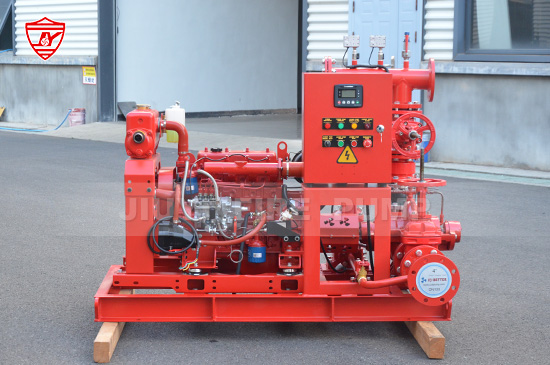
- Diesel Engine Fire Pumps: If you use a diesel engine fire pump, ensure that the engine is in good working condition. Regularly inspect the engine for any signs of wear or damage, and verify that the fuel tank is full and free from contaminants.
4. Ensure Proper Sizing of Fire Pumps
Properly sizing your fire pump is crucial for ensuring it meets the needs of your facility. If the fire pump is undersized, it may not be able to supply sufficient water pressure in an emergency. Conversely, if the fire pump is oversized, it may lead to inefficiency, higher operational costs, and premature wear.
- Flow and Pressure Requirements: Understand the flow and pressure requirements for your specific fire protection system. Work with a professional to calculate the correct size of the fire pump that meets these requirements without oversizing.
- System Compatibility: Ensure that all components of the fire pump system, including pipes, valves, and hydrants, are compatible with the pump’s flow and pressure ratings. An incompatible system can lead to inefficiencies or even system failure.
5. Upgrade Older Fire Pump Systems
Older fire pump systems may not meet current safety standards or performance requirements. As technology improves, fire pumps become more efficient and reliable. If your fire pump is outdated, it’s time to consider an upgrade.
- Newer Pump Models: Newer models often come with advanced features, including enhanced monitoring capabilities, better energy efficiency, and improved durability. Upgrading to a modern fire pump ensures that your system will be reliable when you need it the most.
- Compliance with Updated Standards: Fire safety standards evolve over time. An older fire pump may no longer meet current NFPA or local fire code requirements. Upgrading to a newer system ensures compliance with the latest safety standards.
6. Install Fire Pump Monitoring Systems
Modern fire pumps can be equipped with sophisticated monitoring systems that provide real-time data on their performance. These systems can help identify potential issues before they become serious problems, giving you the opportunity to address them proactively.
- Remote Monitoring: Remote monitoring systems allow facility managers to track the performance of fire pumps from a centralized location. You can receive alerts about issues such as low pressure, fuel level depletion, or pump failure, enabling you to take corrective action before a disaster strikes.
- Data Logging: Monitoring systems can log performance data over time, providing valuable insights into the operation of your fire pump system. By analyzing this data, you can detect patterns that may indicate wear and tear, allowing you to schedule maintenance before failure occurs.
7. Educate Employees on Fire Pump System Maintenance
While facility managers and maintenance professionals play a key role in protecting your fire pump system, all employees should be aware of fire safety protocols and the importance of the fire pump system.
- Training Programs: Implement regular training programs for staff on fire pump system maintenance and emergency procedures. This will ensure that everyone knows how to react in the event of a fire and can help identify any issues with the fire pump system.
- Emergency Procedures: Make sure that employees know the location of the fire pump control panel and how to access the system in case of an emergency. Regularly review emergency procedures with staff to keep everyone prepared.
8. Address Environmental Conditions
Environmental factors can significantly impact the performance of fire pump systems. Inadequate ventilation, extreme temperatures, or exposure to corrosive elements can all contribute to system failure.
- Proper Ventilation: Ensure that the fire pump room is well-ventilated to prevent overheating and ensure efficient operation. The pump room should also be free from excessive dust, dirt, and debris that could interfere with the system.
- Temperature Control: Extreme temperatures can affect the performance of fire pump components, especially for diesel-powered pumps. If your facility is located in an area with extreme cold or heat, take steps to insulate the fire pump room or install heating and cooling systems to maintain optimal operating temperatures.
9. Keep Detailed Records
Accurate record-keeping is essential for managing fire pump system maintenance and ensuring compliance with safety standards. Keeping a detailed log of inspections, maintenance activities, and testing results can help you track the system’s performance and prevent potential failures.
- Maintenance Logs: Keep a comprehensive log of all inspections, maintenance, and repairs performed on the fire pump system. This will help you stay on top of necessary tasks and demonstrate compliance with fire safety regulations.
- Manufacturer Guidelines: Follow the manufacturer’s recommended maintenance schedule and keep documentation of any modifications or upgrades made to the fire pump system.
10. Work with Professional Fire Protection Specialists
Finally, working with a professional fire protection company can help ensure that your fire pump system is properly maintained and optimized for performance. Fire protection experts can provide valuable insights into your system’s design, conduct thorough inspections, and recommend any necessary upgrades or repairs.
Conclusion
Preventing fire pump system failures is essential for protecting your facility and ensuring the safety of those within it. By following the steps outlined in this article, you can reduce the risk of system failure and ensure that your fire pump system is ready to perform when needed most. Regular maintenance, testing, and system upgrades are key to the longevity and reliability of your fire protection system.
Stay proactive, invest in monitoring systems, and always follow the manufacturer’s guidelines for optimal performance. By doing so, you will have peace of mind knowing your facility is safeguarded against fire-related risks.