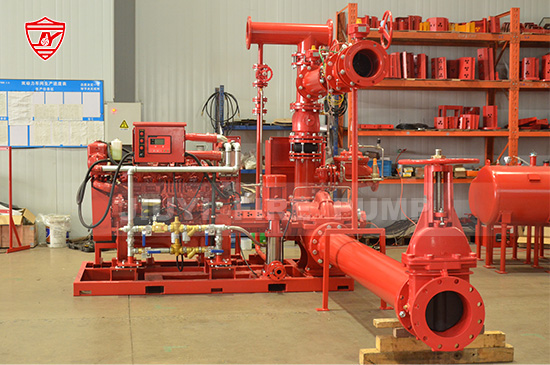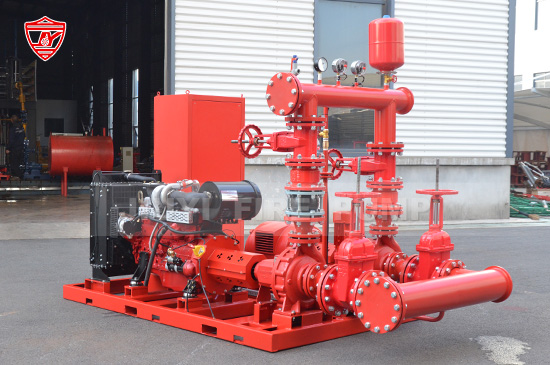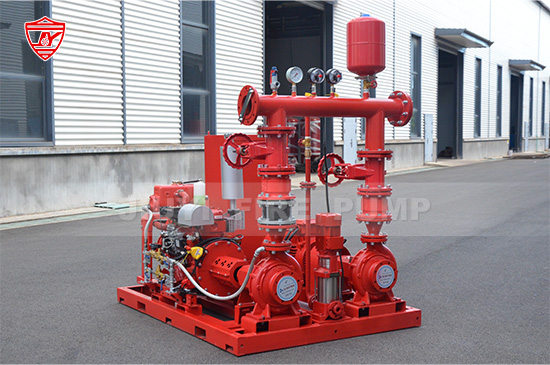
In any fire protection system, the fire pump plays a critical role in delivering adequate water pressure when it matters most. However, a fire pump is not a “set and forget” asset. Without proper maintenance, testing, and monitoring, even the most advanced system can fail during an emergency. Ensuring your fire pump is always ready for immediate deployment is not only a regulatory requirement but also a fundamental responsibility for safeguarding lives and property.
This article provides a comprehensive, practical guide to maintaining fire pump readiness, helping facility managers, engineers, and fire protection professionals minimize risks and maximize system reliability.
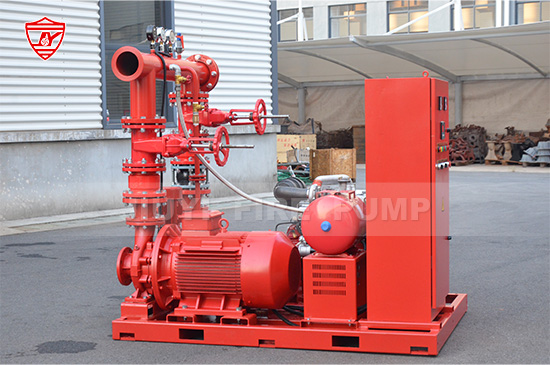
A fire pump is typically inactive during normal operations. It only runs when the system pressure drops, such as during a fire event. This infrequent use increases the risk of hidden failures, including mechanical issues, electrical faults, or fuel system problems.
Fire pump readiness ensures:
Neglecting readiness can lead to catastrophic consequences, including insufficient water pressure and delayed firefighting response.
Routine inspection is the foundation of fire pump reliability. A structured schedule ensures that small issues are detected before they escalate into major failures.
Weekly checks are essential for identifying obvious problems:
Monthly inspections provide a deeper assessment:
Annual evaluations should be comprehensive and often involve professional technicians:
Consistency is key. Skipping inspections increases the likelihood of undetected issues.
Testing ensures that the pump will operate correctly under real emergency conditions.
Run the pump without water discharge to confirm:
Flow testing simulates actual fire demand conditions and is critical for performance verification. It confirms:
Flow testing should be conducted annually or as required by regulations.
A fire pump is only as reliable as its power source. Ensuring uninterrupted power is essential for immediate deployment.
A failure in the power system can render the fire pump useless during critical moments.
The fire pump controller acts as the brain of the system. It detects pressure drops and initiates pump operation.
Key maintenance practices include:
A malfunctioning controller can delay or prevent pump activation, which can be disastrous in an emergency.
Continuous monitoring helps detect abnormalities early.
Install reliable pressure gauges and monitoring systems to:
Advanced monitoring systems can provide real-time alerts, enabling immediate corrective action.
The environment in which the fire pump operates significantly affects its performance.
Maintain the pump room by ensuring:
Environmental neglect can lead to corrosion, overheating, and mechanical failure.
Even the best equipment requires skilled personnel to operate and maintain it effectively.
Training should cover:
Clear documentation and standard operating procedures ensure that personnel can respond quickly and correctly during emergencies.
Documentation is often overlooked but is critical for ensuring accountability and compliance.
Keep detailed records of:
Accurate records help identify recurring issues and support long-term system reliability.
Any abnormality detected during inspection or testing should be addressed without delay.
Common issues include:
Delaying repairs increases the risk of failure during an emergency. Prompt action ensures the system remains dependable.
The quality of components directly impacts fire pump performance. Using reliable equipment and working with experienced manufacturers or service providers ensures long-term reliability.
Investing in quality may have a higher upfront cost, but it significantly reduces maintenance issues and extends the lifespan of the system.
Compliance with recognized standards ensures that your fire pump system meets safety and performance requirements.
Standards provide guidelines for:
Following these standards not only ensures safety but also enhances system credibility and reliability.
Preventive maintenance goes beyond routine checks. It involves proactively identifying potential risks and addressing them before they cause failure.
Strategies include:
A proactive approach minimizes downtime and ensures continuous readiness.
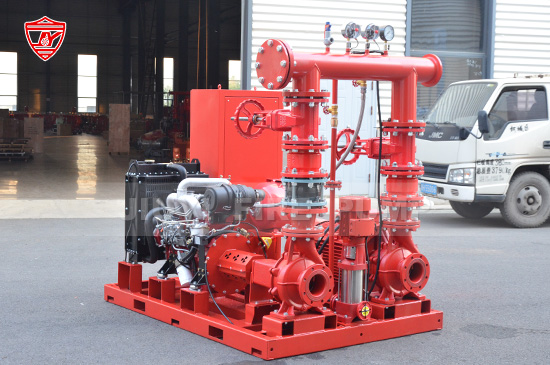
Ensuring your fire pump is ready for immediate deployment requires a combination of regular inspection, consistent testing, reliable power supply, and skilled personnel. It is not a one-time task but an ongoing commitment to safety and performance.