Fire pumps are one of the most important components in a building’s fire protection system. When a fire emergency occurs, a reliable fire pump ensures that sprinkler systems, hydrants, and other firefighting equipment receive sufficient water pressure and flow. However, simply installing a fire pump does not guarantee that it will perform correctly during an emergency. Regular fire pump performance testing is essential to verify that the system operates according to its designed requirements.
Fire pump performance testing is a systematic process used to evaluate the operating condition, pressure output, water flow capacity, and overall reliability of a fire pump system. Through testing, building owners, fire protection engineers, and maintenance teams can identify potential problems before they affect fire safety performance.
For fire pump manufacturers, understanding testing requirements is also critical because pump design, manufacturing quality, and factory testing directly influence long-term reliability in real-world applications.
.jpg)
Fire pump performance testing is the process of measuring and analyzing the operating characteristics of a fire pump under different flow conditions. The purpose is to confirm that the pump can deliver the required water flow and pressure specified by the fire protection system design.
During a performance test, the fire pump is operated at different points, including:
The test results are compared with the original pump performance curve and project requirements. A properly performing fire pump should provide stable pressure and flow close to its rated specifications.
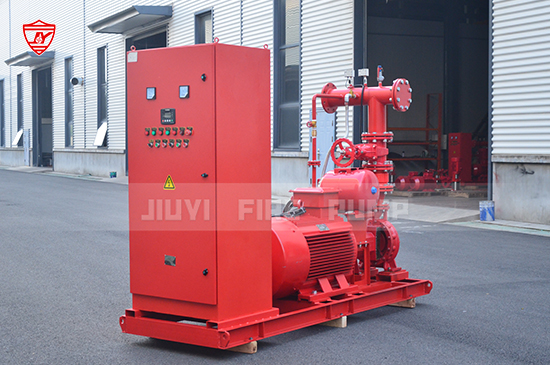
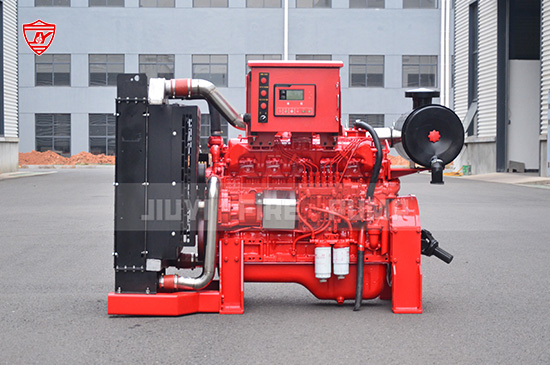
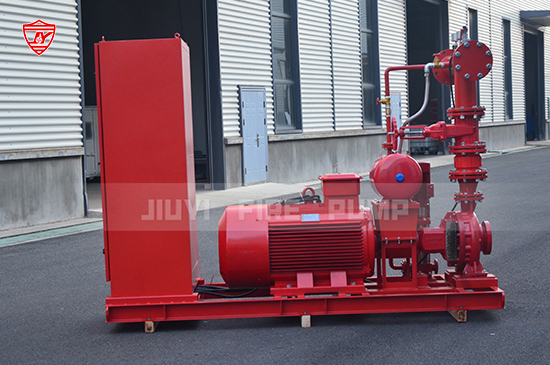
Fire pump performance testing applies to different types of fire pumps, including:
Each type of pump requires proper testing to ensure it can respond effectively when a fire protection system demands water.
A fire pump is designed for emergency operation, meaning it may remain inactive for long periods before being required. Without regular testing, hidden problems may remain unnoticed until a fire emergency occurs.
Performance testing helps ensure:
A fire pump must provide the required flow and pressure to protect a building. Over time, factors such as mechanical wear, pipe blockage, valve problems, or motor issues may reduce pump performance.
A flow test confirms whether the pump can still achieve its rated capacity.
For example, a fire pump rated at 1000 GPM must be able to deliver the required flow rate while maintaining sufficient pressure. If actual performance is significantly lower than expected, the fire protection system may not work effectively.
Regular testing can identify early warning signs, including:
Early detection allows maintenance teams to repair problems before they become serious failures.
Fire pump testing is commonly performed according to recognized fire protection standards, including NFPA requirements. These standards provide guidelines for inspection, testing, and maintenance to ensure fire pumps remain operational.
For many commercial buildings, industrial facilities, warehouses, hospitals, and high-rise buildings, regular fire pump testing is an important part of maintaining fire safety compliance.
A fire protection system is only effective when every component works together correctly. The sprinkler system, piping network, valves, controllers, and fire pump must all operate as designed.
Performance testing confirms that the fire pump can supply adequate water during emergency conditions, improving the overall reliability of the fire protection system.
A professional fire pump performance test usually includes several steps.
Before starting the test, technicians inspect the complete fire pump system.
The inspection usually includes:
Any abnormal conditions should be corrected before testing begins.
The first test point is usually the no-flow condition, also known as churn pressure.
During this test:
This test helps verify that the pump can build pressure correctly when there is no demand from the fire protection system.
The rated flow test measures pump performance at its designed operating point.
Water is discharged through a test connection or flow meter, and technicians record:
The results are compared with the manufacturer’s pump curve to confirm performance.
The final stage evaluates the pump at higher flow conditions.
This test helps determine whether the pump can continue providing water when multiple fire protection devices operate simultaneously.
A properly designed fire pump should maintain stable operation even under demanding conditions.
Different drive systems require specific testing considerations.
Electric fire pumps are widely used in commercial and industrial applications because of their reliable power supply and simple operation.
During electric fire pump testing, technicians should check:
Problems such as voltage instability or motor overload can affect pump performance and should be identified during testing.
Diesel engine fire pumps are commonly installed in locations where emergency power reliability is critical.
Diesel fire pump testing includes additional checks such as:
A diesel fire pump must start quickly and operate continuously during emergencies, making regular performance testing especially important.
Performance testing often reveals issues that may otherwise go unnoticed.
Common problems include:
Possible causes include:
Possible causes include:
Possible causes include:
Possible causes include:
Regular testing allows these issues to be corrected before an emergency situation occurs.
The reliability of a fire pump system begins during manufacturing. Professional fire pump manufacturers conduct factory performance testing to verify pump quality before delivery.
Factory testing typically includes:
Advanced testing equipment allows manufacturers to confirm that fire pumps meet required performance specifications before installation.
For UL listed fire pumps and other certified fire protection products, strict testing procedures are especially important because these systems are designed for life safety applications.
The testing frequency depends on local regulations, system requirements, and applicable standards.
In general:
Building owners should work with qualified fire protection professionals to establish an appropriate testing schedule.
A reliable fire pump manufacturer plays an important role in ensuring long-term system performance.
When selecting a fire pump supplier, consider:
High-quality fire pumps should not only meet design requirements but also maintain stable performance throughout their service life.
A professional manufacturer with advanced testing facilities can help ensure that every pump delivered to a project provides dependable protection when it matters most.
.jpg)
Fire pump performance testing is a critical part of maintaining a reliable fire protection system. By measuring flow, pressure, and operating conditions, testing confirms that fire pumps can deliver the required performance during emergencies.
Regular testing helps detect problems early, improve system reliability, and ensure compliance with fire protection requirements. Whether using electric fire pumps, diesel engine fire pumps, or complete fire pump sets, proper performance testing is essential for protecting lives and property.
For fire protection systems, reliability cannot be assumed. It must be verified through professional testing, quality manufacturing, and continuous maintenance.