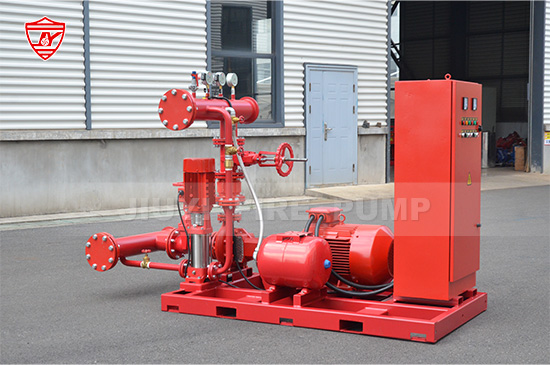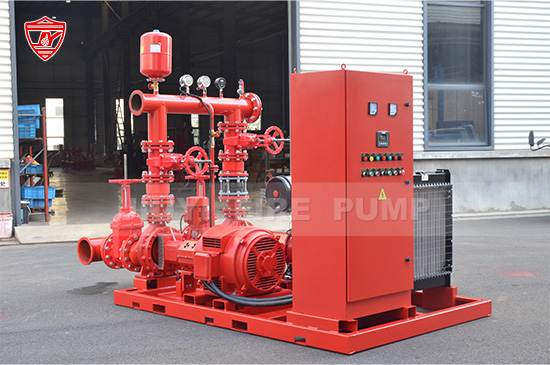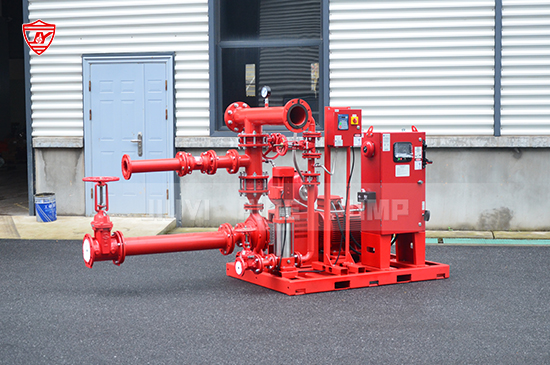
Fire protection systems are critical in commercial, industrial, and municipal facilities where continuous water supply is essential during emergencies. Among various fire pump options available in the market, diesel engine fire pumps remain one of the most reliable and widely used solutions for fire safety applications.
A diesel engine fire pump is powered by a diesel engine instead of electricity, allowing it to operate independently from the power grid. This makes it especially valuable in locations where power failures are likely or where electrical infrastructure may be unstable.
From manufacturing plants and warehouses to hospitals, airports, and high-rise buildings, diesel fire pumps are trusted worldwide for their durability, reliability, and strong emergency response capability.
In this article, we explore the top five benefits of using diesel engine fire pumps and why they continue to be a preferred choice in fire protection systems.
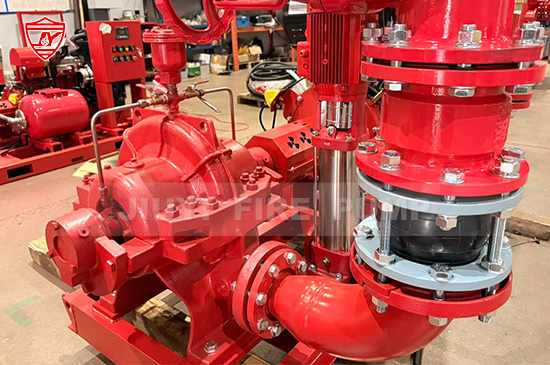
One of the biggest advantages of diesel engine fire pumps is their ability to continue operating during electrical power failures.
In many fire emergencies, electrical systems are often compromised. Fires can damage electrical circuits, cause short circuits, or trigger automatic shutdowns. Natural disasters such as storms, earthquakes, and floods may also lead to power outages.
An electric fire pump depends entirely on an external power source. If the power grid fails and no backup generator is available, the pump cannot function.
A diesel engine fire pump eliminates this risk. Since it operates independently using diesel fuel stored on-site, it can immediately start and maintain water pressure even when all electrical power is lost.
This independent operation is especially important for:
For facilities where uninterrupted fire protection is mandatory, diesel fire pumps provide an extra layer of operational security.
In a fire emergency, every second matters. The faster a fire pump starts and delivers water, the greater the chance of controlling the fire before it spreads.
Diesel engine fire pumps are designed specifically for emergency situations. Modern systems feature automatic controllers that detect pressure drops in fire pipelines and initiate pump startup immediately.
When sprinkler systems or hydrants are activated, the pressure decrease signals the controller to start the diesel engine automatically. This ensures fast water delivery without manual intervention.
Key emergency performance advantages include:
Diesel engines are also capable of handling sudden load changes effectively. During peak fire demand, they maintain stable performance and strong water flow.
This makes diesel engine fire pumps ideal for facilities requiring dependable emergency firefighting capability.
Not all facilities have reliable access to electricity. In some locations, power infrastructure may be weak, unstable, or unavailable.
Diesel engine fire pumps are highly suitable for remote projects because they do not rely on grid electricity.
Common applications include:
For these sites, installing a diesel fire pump is often more practical than investing in complex electrical infrastructure or large generators.
Because diesel fuel is relatively easy to store and transport, operators can maintain fire protection readiness even in isolated environments.
This flexibility makes diesel engine fire pumps a practical solution for global projects where electrical conditions vary significantly.
Fire pumps are long-term investments, and equipment durability is a major consideration for buyers.
Diesel engine fire pumps are known for their robust construction and long operational life.
Most diesel fire pump systems are engineered for demanding industrial environments and can withstand:
The diesel engines used in fire pumps are typically industrial-grade and specifically configured for emergency standby service.
Compared with many other equipment types, diesel engines offer several durability advantages:
Diesel engines generally have stronger internal components built to handle higher compression ratios and heavy loads.
Because they are mechanically driven, diesel pumps reduce dependency on sensitive electrical components that may fail in harsh environments.
Diesel engine technology has been used in emergency applications for decades, including generators, heavy machinery, and transportation systems.
With proper maintenance, a diesel engine fire pump can provide reliable service for many years while maintaining operational readiness.
For many projects, compliance is not optional. Fire protection systems must meet strict local and international regulations.
Diesel engine fire pumps are widely used because they can be designed and manufactured according to globally recognized standards such as:
These standards establish requirements for:
Using compliant diesel fire pumps helps project owners:
For contractors, consultants, and end users, choosing a standards-compliant diesel engine fire pump provides confidence in both safety and project quality.
Beyond the five major benefits above, diesel engine fire pumps also offer several additional advantages.
Diesel fire pumps can be configured in multiple forms, including:
This flexibility allows engineers to select the most suitable pump type for project requirements.
Even in facilities with electric fire pumps, diesel pumps are often installed as backup systems.
This dual-pump configuration improves system redundancy and ensures fire protection continuity.
In countries or regions with frequent power interruptions, diesel engine fire pumps are often the preferred solution for maintaining fire safety readiness.
When selecting a diesel engine fire pump, buyers should evaluate several factors:
Determine required pump capacity based on system demand, sprinkler design, and hydrant requirements.
Ensure the system meets relevant certifications required by the project.
A reliable diesel engine directly affects long-term performance.
Look for intelligent controllers with alarm systems, automatic testing, and battery monitoring.
Choose a manufacturer with strong experience in fire pump production and international project support.
An experienced manufacturer can provide technical guidance, customization, and after-sales support.
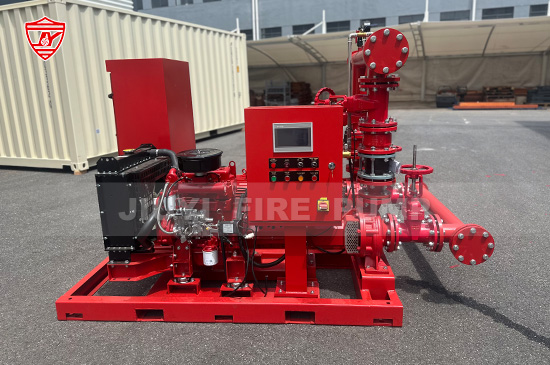
Diesel engine fire pumps continue to play a critical role in fire protection systems worldwide.
Their ability to operate independently during power outages, respond quickly in emergencies, perform reliably in remote areas, and comply with international standards makes them an essential solution for many fire safety applications.