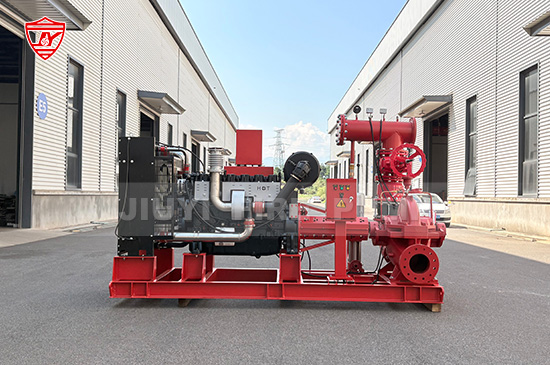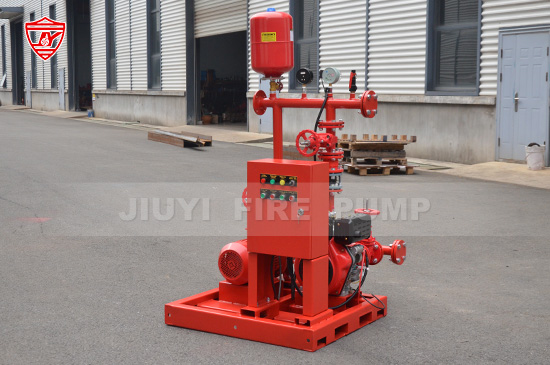
A diesel engine fire pump is a critical component of a fire protection system, providing a reliable water supply when a fire emergency occurs. Unlike ordinary water pumps, diesel-driven fire pumps are specifically designed to operate under emergency conditions, including power failures and other challenging situations. Their ability to function independently of the main electrical power supply makes them an important choice for industrial facilities, commercial buildings, warehouses, oil and gas installations, ports, and other facilities where fire safety is essential.
However, even a high-quality diesel engine fire pump cannot guarantee reliable performance without proper maintenance. Over time, components may wear out, batteries may lose their charging capacity, fuel quality may deteriorate, and cooling systems may become less efficient. If these issues are not identified early, they can prevent the pump from starting or operating properly when needed.
Regular maintenance helps keep the diesel engine, fire pump, controller, cooling system, and other components in good working condition. It also reduces unexpected failures, extends equipment service life, and helps ensure that the entire fire protection system is ready for operation.
In this guide, we will explain how to maintain a diesel engine fire pump, including routine inspections, engine maintenance, battery checks, fuel system management, performance testing, and common maintenance mistakes to avoid.
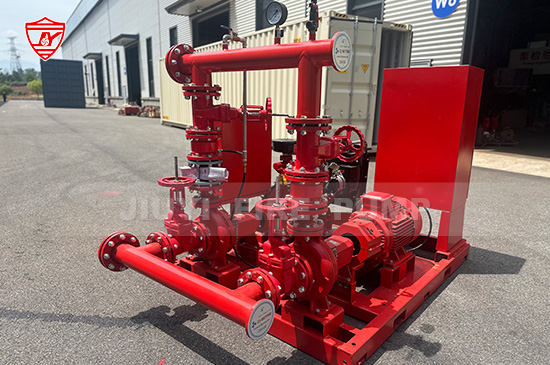
Before starting a maintenance program, it is important to understand the major components of a diesel engine fire pump system. Each component has a specific function, and problems with any one of them can affect the performance of the entire system.
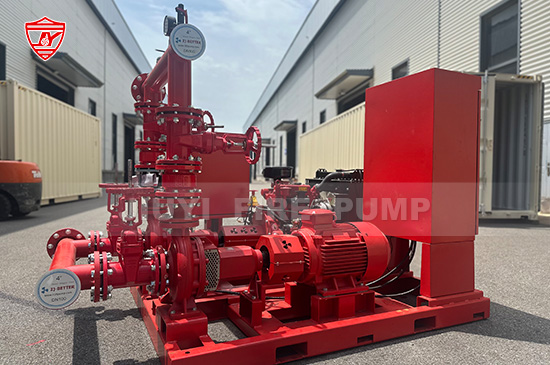
A typical diesel engine fire pump set includes the following components:
Diesel Engine: The primary power source that drives the fire pump. It must be capable of starting quickly and operating continuously under emergency conditions.
Fire Pump: Transfers water from a storage tank, reservoir, or other water source into the fire protection piping network at the required flow rate and pressure.
Diesel Engine Controller: Monitors engine conditions and controls automatic starting and stopping functions according to the applicable fire protection system requirements.
Starting Batteries: Supply the electrical energy needed to start the diesel engine. Reliable batteries are essential for emergency operation.
Fuel System: Includes the fuel tank, fuel lines, filters, and associated components that supply diesel fuel to the engine.
Cooling System: Maintains the engine at an appropriate operating temperature. Depending on the engine configuration, cooling may use a heat exchanger or radiator system.
Exhaust System: Directs exhaust gases away from the engine and safely outside the pump room.
Lubrication System: Supplies engine oil to reduce friction, minimize wear, and protect internal engine components.
Understanding these components makes it easier to establish an effective inspection and maintenance schedule.
Visual inspections are among the simplest and most effective ways to identify potential problems before they develop into serious equipment failures.
Operators should regularly inspect the entire diesel engine fire pump installation, paying attention to the following areas:
Check for oil, fuel, or coolant leaks around the engine and connected pipelines.
Inspect pump and engine foundations for cracks, loose bolts, or signs of vibration.
Check the condition of pipe connections, valves, and flanges.
Make sure the pump room is clean, dry, and adequately ventilated.
Confirm that the exhaust system is properly connected and free from visible damage.
Inspect electrical wiring, terminals, and controller connections.
Check that pressure gauges and other monitoring instruments are in good condition.
Ensure that the pump and engine are accessible for inspection and maintenance.
Unusual noise, excessive vibration, visible corrosion, and abnormal temperatures should never be ignored.
A visual inspection should also confirm that the suction and discharge valves are in their required operating positions. Any obstruction or incorrect valve position could affect water supply and pump performance during an emergency.
Keeping the pump room clean is particularly important. Dust, moisture, and poor ventilation can negatively affect electrical components, engine cooling, and overall equipment reliability.
The fuel system is one of the most important parts of a diesel engine fire pump. Even if the engine and pump are in excellent condition, contaminated fuel or insufficient fuel supply can prevent the engine from starting.
Diesel fuel can deteriorate during extended storage. Water contamination, sediment, microbial growth, and oxidation may gradually affect fuel quality.
To maintain the fuel system properly, consider the following measures:
Check Fuel Levels
Inspect the fuel tank regularly and confirm that the available fuel meets the requirements of the applicable fire protection standard and project specifications. The tank should have sufficient capacity for the required engine operating duration.
Inspect Fuel Lines
Examine fuel pipes, hoses, connections, and fittings for leakage, corrosion, or physical damage. Damaged fuel lines should be repaired or replaced promptly.
Maintain Fuel Filters
Fuel filters prevent dirt and other contaminants from entering the engine. Follow the engine manufacturer's recommended replacement intervals and replace filters when necessary.
Monitor Fuel Quality
Check for signs of water contamination, sediment, and deteriorated fuel. Where fuel storage periods are extended, implement an appropriate fuel sampling and testing program.
Drain Water and Sediment
If the fuel tank is equipped with a water and sediment drain, inspect and service it according to the manufacturer's instructions.
Proper fuel management helps maintain stable engine operation and reduces the risk of starting failures during emergencies.
Starting batteries are essential for diesel engine fire pumps because they provide the electrical power required to start the engine automatically.
Most diesel fire pump systems use two independent battery sets to improve starting reliability. The exact configuration should follow the applicable fire protection requirements and equipment design.
Battery maintenance should include several important checks.
First, inspect the battery terminals and cables for corrosion, looseness, or physical damage. Poor electrical connections can reduce starting performance.
Second, check battery voltage and charging conditions. Confirm that the battery charger is operating correctly and that the batteries remain within the manufacturer's specified operating range.
Third, inspect the battery condition. For batteries requiring electrolyte maintenance, check the electrolyte level according to the manufacturer's instructions. For sealed batteries, follow the recommended inspection procedures.
Finally, check that the battery charging system is functioning properly and that alarms associated with battery or charger faults are not active.
Batteries have a limited service life, even when they are not used frequently. Replace aging or damaged batteries before they become unreliable.
A well-maintained starting system helps ensure that the diesel engine can start automatically when the fire protection system requires it.
Engine oil plays a critical role in protecting the internal components of a diesel engine. It reduces friction, controls operating temperatures, and helps prevent premature wear.
Insufficient or degraded engine oil can lead to overheating, increased friction, and serious mechanical damage.
The following maintenance practices are recommended:
Check engine oil levels regularly using the dipstick or designated monitoring system.
Inspect engine oil for unusual discoloration, contamination, or changes in consistency.
Check around the engine for oil leaks.
Replace engine oil according to the engine manufacturer's recommended maintenance schedule.
Replace oil filters whenever required during scheduled oil changes.
Use the correct oil grade and specification recommended for the specific diesel engine.
Oil replacement intervals should be determined by the engine manufacturer and applicable fire pump requirements. Maintenance personnel should also consider operating hours, environmental conditions, and oil analysis results where appropriate.
It is important not to assume that engine oil remains suitable simply because the diesel engine operates infrequently. Oil can deteriorate during storage and over time.
Proper lubrication helps maintain engine efficiency and extends the service life of important mechanical components.
A diesel engine fire pump may need to operate continuously during a fire emergency. Therefore, an effective cooling system is essential to prevent excessive engine temperatures.
Different diesel fire pump configurations use different cooling arrangements. Common designs include heat exchanger cooling systems and radiator cooling systems.
For engines equipped with heat exchangers, maintenance personnel should inspect the following:
Check coolant levels and condition.
Inspect cooling water supply pipes and connections.
Examine the heat exchanger for leakage or corrosion.
Check the cooling water flow and associated valves.
Inspect hoses and fittings for damage.
Check temperature indicators and alarms.
For radiator-cooled engines, inspect the radiator, cooling fan, fan belts, hoses, and airflow passages.
Coolant should be replaced according to the engine manufacturer's recommendations. The correct coolant type and concentration are important for preventing corrosion, freezing, and overheating.
Another important consideration is the pump room environment. Adequate ventilation is necessary to remove engine heat and supply sufficient air for combustion.
If the cooling system cannot maintain the required operating temperature, the engine may overheat and fail to operate reliably.
Maintaining the diesel engine alone is not enough. The fire pump and its mechanical connections must also be inspected regularly.
The pump is responsible for delivering the required water flow and pressure, so its condition directly affects the effectiveness of the fire protection system.
Important inspection points include:
Pump Casing: Check for leakage, corrosion, cracks, and other visible damage.
Mechanical Seal or Packing: Inspect for abnormal leakage and follow the manufacturer's recommended adjustment or replacement procedures.
Bearings: Monitor bearing temperatures, lubrication conditions, and unusual operating noise.
Coupling: Check coupling alignment, fasteners, and protective guards.
Suction and Discharge Piping: Inspect for leaks, corrosion, blockages, and abnormal vibration.
Pressure Gauges: Confirm that suction and discharge pressure instruments are functioning properly.
Valves: Check the operating condition and required positions of suction, discharge, and associated system valves.
For pumps equipped with mechanical couplings, proper alignment between the engine and pump is particularly important. Misalignment can increase vibration, damage bearings, and shorten the service life of mechanical components.
Any abnormal condition should be investigated and corrected by qualified maintenance personnel.
Regular testing is essential for confirming that a diesel engine fire pump can operate as intended.
A pump may appear to be in good condition during a visual inspection but still have hidden problems that only become apparent during operation.
Testing should follow the applicable standards, project requirements, and manufacturer's instructions. For installations designed to NFPA 20 and NFPA 25, maintenance personnel should pay particular attention to the applicable inspection, testing, and maintenance requirements.
Common testing activities include:
Automatic Starting Test
Verify that the diesel engine starts automatically when the system's designated starting conditions are simulated in accordance with the approved testing procedure.
Manual Starting Test
Confirm that the engine can also be started using the designated manual starting method.
Engine Operating Test
Monitor engine operation and check for unusual noise, vibration, exhaust conditions, leakage, and abnormal temperatures.
Pump Performance Test
Measure pump flow rate and discharge pressure under the required test conditions. Compare the results with the approved pump performance curve and applicable acceptance criteria.
Controller Inspection
Check controller indications, alarms, operating status, and battery charging conditions.
Cooling System Test
Confirm that the cooling system operates properly throughout the test.
Fuel Supply Inspection
Ensure that the fuel supply remains adequate and that there are no restrictions or leaks.
Testing should be performed by qualified personnel using appropriate instruments and safety procedures. The pump should not be operated beyond its permitted conditions.
A complete performance test provides valuable information about the condition of both the diesel engine and the fire pump.
The diesel engine fire pump controller is responsible for monitoring engine conditions and managing important starting and operating functions.
A malfunctioning controller may prevent automatic starting or fail to provide accurate operating information.
During routine inspections, maintenance personnel should:
Check controller displays and indicator lights.
Inspect electrical connections and wiring.
Verify that battery chargers are operating properly.
Check for active alarms or fault indications.
Confirm that automatic and manual starting functions operate correctly.
Inspect control switches and other operating components.
Review recorded operating information where available.
Controller testing should follow the manufacturer's instructions and the approved fire protection system testing procedure.
Personnel should avoid making unauthorized changes to controller settings. Any adjustments should be performed by qualified technicians to ensure that the fire pump system continues to operate according to its approved design.
A structured preventive maintenance schedule helps ensure that important inspection and servicing tasks are not overlooked.
The exact maintenance frequency depends on the applicable standards, equipment manufacturer's instructions, local regulations, and project requirements.
The following table provides a general maintenance planning reference. It is not a replacement for the prescribed inspection and testing intervals applicable to a specific installation.
|
Maintenance Activity |
Suggested Frequency |
|---|---|
|
General visual inspection |
Weekly |
|
Check fuel level and visible fuel leaks |
Weekly |
|
Inspect battery and charger condition |
Weekly |
|
Check engine oil and coolant levels |
Weekly |
|
Inspect pump room ventilation |
Weekly |
|
Conduct engine operational test |
According to applicable standards |
|
Inspect fuel filters and cooling system |
According to manufacturer |
|
Check pump alignment and mechanical connections |
Periodically and when necessary |
|
Perform pump performance testing |
According to applicable standards |
|
Replace engine oil and filters |
According to manufacturer |
|
Comprehensive system inspection |
Annually or as required |
A maintenance record should be maintained for every inspection and test. Important information includes the inspection date, engine operating hours, measured pressure, fuel condition, battery condition, identified problems, and corrective actions.
Accurate records make it easier to identify recurring problems and evaluate the long-term condition of the equipment.
Even experienced operators can overlook important maintenance details. Some common mistakes can significantly reduce the reliability of a diesel engine fire pump.
Ignoring Fuel Quality
Keeping the fuel tank full does not necessarily mean the fuel is suitable for operation. Contaminated or deteriorated diesel fuel can cause starting problems and engine damage.
Neglecting Battery Maintenance
A diesel engine that is rarely used still depends on reliable starting batteries. Poor battery maintenance is a common cause of starting failures.
Skipping Routine Testing
A diesel engine fire pump should not remain untested for long periods. Regular testing helps identify problems before an actual emergency occurs.
Using Incorrect Engine Oil or Coolant
Incorrect lubricants or coolant mixtures may damage engine components and reduce operating reliability.
Ignoring Minor Leaks and Abnormal Noise
Small leaks, unusual vibration, or changes in engine sound may indicate developing mechanical problems. These issues should be investigated promptly.
Failing to Maintain Records
Without accurate maintenance records, it becomes difficult to track equipment condition, identify repeated faults, and plan preventive maintenance.
Avoiding these mistakes helps improve equipment reliability and reduce the risk of unexpected failures.
Maintenance is essential, but long-term reliability also begins with proper equipment selection.
When selecting a diesel engine fire pump, project owners, contractors, and fire protection engineers should consider more than the initial purchase price.
Important factors include pump performance, engine quality, controller reliability, cooling configuration, fuel system design, certification requirements, spare parts availability, and after-sales technical support.
A qualified manufacturer should provide complete technical documentation, including pump performance curves, installation instructions, operation manuals, maintenance recommendations, and relevant product certification information.
For projects requiring UL Listed fire pump equipment, buyers should also verify that the specific pump, driver, and associated components meet the applicable project and certification requirements.
The configuration of the pump set should be selected according to the actual project conditions, including required flow rate, discharge pressure, water source, installation environment, and applicable fire protection standards.
Working with an experienced manufacturer helps ensure that the equipment is properly selected, manufactured, tested, and supported throughout its service life.
Maintaining a diesel engine fire pump is essential for ensuring the reliability of a fire protection system. Regular inspections, fuel management, battery maintenance, engine lubrication, cooling system checks, mechanical inspections, and performance testing all contribute to dependable operation.