A reliable fire protection system is essential for protecting people, buildings, equipment, and valuable assets from fire hazards. Among its most important components, the fire pump plays a critical role in delivering water at the required pressure and flow rate to firefighting equipment when a fire occurs.
But how does a fire pump work in a fire protection system? What happens when a sprinkler system activates, and how does the pump ensure that sufficient water reaches the fire? Understanding these processes helps building owners, fire protection engineers, system integrators, contractors, and facility managers make informed decisions about fire pump selection, installation, and maintenance.
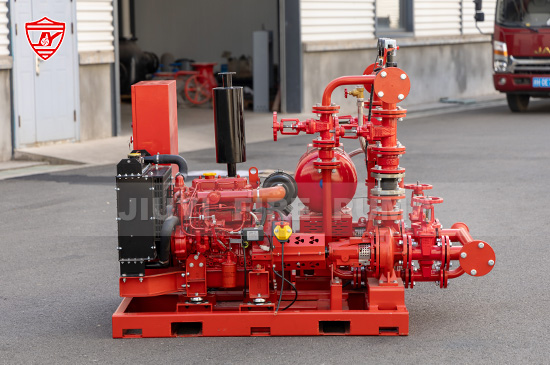
A fire pump is a specially designed pump used to increase water pressure and provide the flow required by a fire protection system. It works as part of an integrated system that includes a water supply, piping network, valves, controllers, and firefighting equipment such as sprinklers and standpipes.
In this guide, we explain the working principle of a fire pump, the role of its main components, the differences between electric and diesel fire pumps, and the key factors that influence reliable operation.
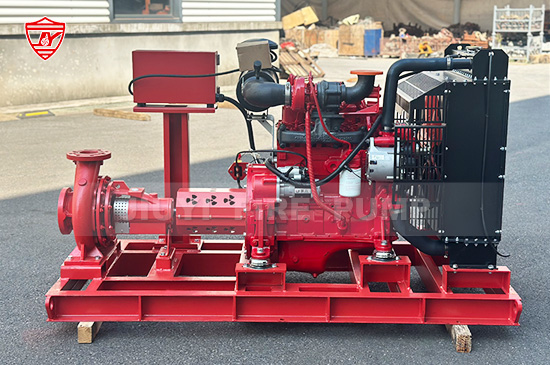
A fire pump is a mechanical device designed to deliver water at a specified flow rate and pressure to a fire protection system. It is typically installed in commercial buildings, industrial facilities, warehouses, ports, power plants, petrochemical facilities, and other locations where reliable firefighting water delivery is essential.
Most fire protection systems receive water from a municipal supply, storage tank, reservoir, or another approved source. However, the available water pressure may not be sufficient to meet the hydraulic requirements of the system. This is especially common in high-rise buildings, large industrial facilities, and installations with extensive sprinkler networks.
A fire pump addresses this limitation by adding energy to the water, increasing its pressure and enabling it to reach the required discharge points.
For example, a warehouse may have a large sprinkler network covering thousands of square meters. When a fire occurs, the system must deliver enough water to the operating sprinklers at the pressure required by the hydraulic design. If the incoming water supply cannot meet these demands, a properly selected fire pump helps provide the necessary performance.
It is important to understand that a fire pump does not independently detect or extinguish a fire. Instead, it supplies water to the firefighting system when required. Its performance depends on the complete system design, water availability, pump selection, and correct installation.
The working principle of a typical centrifugal fire pump is based on converting mechanical energy into hydraulic energy.
A centrifugal fire pump uses a rotating impeller to accelerate water. The pump casing then helps convert part of this velocity energy into pressure energy, allowing water to flow through the discharge piping at the required pressure.
The operating process can be divided into several stages.
Water flows from the designated source into the pump suction line. The source may be a storage tank, reservoir, or pressurized water supply.
The suction arrangement must provide adequate water to the pump under the required operating conditions. Proper suction pipe sizing, valve selection, and installation are essential to avoid excessive losses and ensure reliable performance.
The pump driver, usually an electric motor or diesel engine, rotates the pump shaft. The shaft transfers mechanical power to the impeller inside the pump casing.
As the impeller rotates, its vanes accelerate the water outward through centrifugal action. This process increases the water's velocity and energy.
After leaving the impeller, water enters the pump casing or diffuser area, depending on the pump design.
The casing or diffuser converts part of the water's velocity energy into pressure energy. The resulting discharge pressure depends on the pump design, rotational speed, impeller characteristics, flow rate, and system conditions.
This pressure increase enables water to overcome the resistance of the piping network and reach the required firefighting equipment.
Pressurized water leaves the pump through the discharge piping and travels to the sprinkler system, standpipes, hydrants, hose connections, or other designated firefighting equipment.
When the system operates, water flows through the open discharge points. The pump must provide the required flow while maintaining the pressure specified by the system's hydraulic design.
When a fire protection system activates, water flow increases and system pressure generally decreases. A properly configured fire pump control system detects the relevant pressure condition and initiates the pump according to its approved control arrangement.
The pump then supplies water to meet the required demand within its rated operating range.
The precise start sequence depends on the system design, controller settings, applicable standards, and the type of pump installation.
A fire pump system consists of more than the pump itself. Each component contributes to reliable water delivery and coordinated system operation.
The fire pump is the central hydraulic component. Its main function is to deliver the required flow and pressure.
Common centrifugal fire pump designs include end suction pumps, split case pumps, and vertical turbine pumps. The appropriate design depends on the required capacity, available suction conditions, installation arrangement, and project specifications.
The driver supplies the mechanical power required to operate the pump.
Electric motors are widely used where a suitable electrical supply and compliant installation are available. Diesel engines provide an alternative where an independent mechanical drive is required or where project specifications call for diesel-powered pumping capacity.
The driver must be appropriately matched to the pump's power requirements across its intended operating range.
The controller manages the operation of the pump driver. Depending on the configuration, it monitors pressure-related signals, starts the driver, indicates operating conditions, and provides alarms or status information.
Electric and diesel fire pump controllers have different electrical and mechanical interfaces. Their design and configuration must comply with the applicable project requirements and standards.
A jockey pump is a small pump designed to maintain pressure in the fire protection piping under normal conditions.
Minor pressure losses may occur because of small leaks, temperature changes, or other system conditions. The jockey pump compensates for these small losses and helps prevent unnecessary starts of the main fire pump.
It is not intended to supply the full firefighting demand.
The water supply provides the volume required for firefighting. Suction and discharge piping transport water between the source, pump, and distribution network.
The water source must provide adequate capacity and suitable suction conditions throughout the required operating period.
Valves control and isolate sections of the system. Pressure gauges, flow meters, sensing lines, and other instruments help operators assess system conditions and verify performance.
Additional equipment may include pressure relief devices, test headers, circulation relief arrangements, exhaust systems, fuel systems, and ventilation equipment, depending on the pump type and installation.
An electric fire pump uses an electric motor to drive the pump shaft and impeller.
Under normal conditions, the fire protection system remains pressurized, with the jockey pump compensating for small pressure losses when necessary. If system pressure falls to the main fire pump's configured start threshold, the fire pump controller initiates the electric motor according to the approved control sequence.
The motor rotates the impeller, and the pump delivers water into the fire protection network.
Electric fire pumps are commonly selected for commercial buildings, industrial facilities, shopping centers, and warehouses where the electrical supply and installation arrangements meet project requirements.
Their advantages include a relatively straightforward drive arrangement, no on-site diesel fuel storage requirement for the main driver, and integration with appropriate electrical monitoring and control systems.
However, dependable operation requires suitable electrical infrastructure, correct motor sizing, compliant power and control arrangements, and proper installation. Where continuity of water delivery is critical, the project may require additional pumps or alternative power arrangements based on the applicable standards and risk assessment.
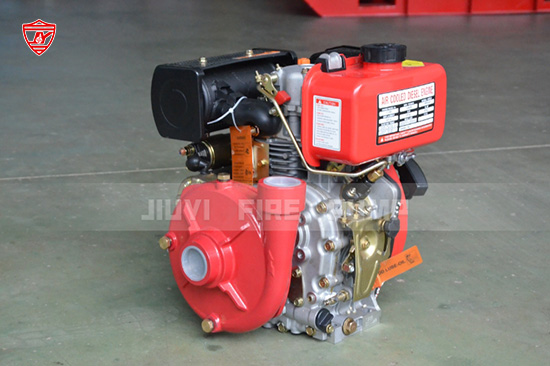
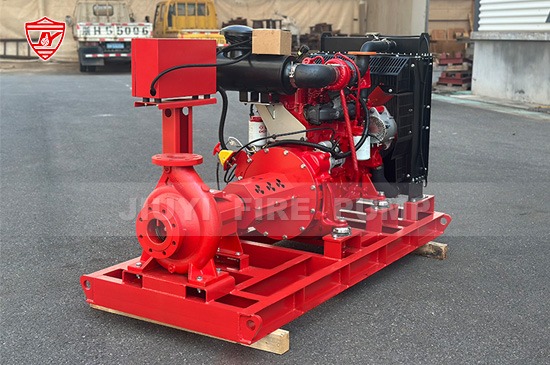
A diesel fire pump uses a diesel engine rather than an electric motor to drive the pump.
When the fire pump controller receives the relevant start signal, it initiates the engine starting sequence. Depending on the design, the engine may use an electric starting system supported by dedicated batteries and chargers.
Once the engine starts and reaches its operating speed, it drives the pump, which draws water from the source and supplies the fire protection network.
Diesel fire pumps are frequently used in industrial plants, remote facilities, ports, petrochemical installations, and other projects where an engine-driven pump is specified as part of the fire protection strategy.
Because a diesel engine has additional mechanical and operational requirements, its supporting systems need particular attention. These may include fuel storage and supply, batteries, chargers, engine cooling, lubrication, ventilation, exhaust discharge, and temperature monitoring.
The installation must provide adequate airflow and safely manage engine exhaust and heat. Fuel availability and starting-system reliability must also be verified during inspection and maintenance.
An important distinction is that a diesel fire pump does not depend on an electric motor as its main driving source, although its starting, monitoring, and control equipment may require electrical power.
A jockey pump helps maintain the normal pressure of the fire protection system when no significant firefighting demand exists.
For example, a piping network may experience a small pressure reduction because of minor leakage or gradual changes in system conditions. Without a jockey pump, these small pressure losses could repeatedly trigger the main fire pump.
The jockey pump operates at a relatively low flow rate and restores the pressure to its designated setting. Once the target pressure is reached, it stops according to its control arrangement.
The main fire pump is configured to start at a lower pressure threshold when a larger pressure drop indicates a more significant demand.
The pressure settings must be coordinated so that the jockey pump does not prevent the main fire pump from starting when required.
A typical arrangement therefore includes three distinct functions:
The jockey pump maintains normal system pressure.
The main electric fire pump provides the required firefighting water flow.
The diesel fire pump, where installed, provides an additional or alternative pumping source according to the system design.
The exact arrangement and operating sequence depend on the project requirements and applicable standards.
Understanding the sequence of events helps explain how the fire pump works as part of the complete fire protection system.
First, a fire develops and activates the relevant detection or suppression mechanism. In a wet-pipe sprinkler system, heat causes one or more sprinkler heads to open. Water begins flowing from the affected sprinklers.
As water flows, pressure within the system may decrease. If the pressure reaches the main fire pump's configured starting threshold, the controller initiates the pump.
The pump accelerates water from the supply source and delivers it into the discharge network. Water then travels through the piping to the operating sprinklers or other firefighting outlets.
If the installation includes multiple pumps, each pump operates according to its designated role and control logic. For example, an electric pump may serve as the primary pump, while a diesel pump provides an additional source of pumping capacity or redundancy.
Once the fire is controlled, the system must be managed according to the approved shutdown procedure. Fire pumps should not be assumed to stop automatically as soon as system pressure recovers. Many installations require manual shutdown after the fire event or test, subject to the applicable requirements and approved control arrangement.
This is one reason why fire pump systems must be designed, commissioned, and maintained by qualified personnel familiar with the relevant fire protection standards.
Selecting a fire pump requires more than choosing a motor size or a desired discharge pressure. Engineers must evaluate both flow rate and pressure under the specified operating conditions.
Flow rate refers to the volume of water delivered over a given period. It is commonly expressed in gallons per minute (GPM) or cubic meters per hour (m³/h).
Pressure represents the force per unit area exerted by the water. It may be expressed in pounds per square inch (PSI), bar, or other appropriate units.
A fire pump's performance curve shows the relationship between flow and discharge head or pressure under specified conditions. In general, the available discharge head of a centrifugal pump changes as flow changes.
Engineers use the pump curve and the system's hydraulic calculations to determine whether the selected pump can meet the required demand.
Several factors must be considered:
Required firefighting flow rate and pressure.
Water source capacity and suction conditions.
Elevation differences between the pump and discharge points.
Friction losses through pipes, fittings, and valves.
The number and type of sprinklers, hydrants, or other outlets expected to operate.
Applicable fire protection standards and project specifications.
A pump that is too small may not provide the required water delivery. A poorly matched pump may also operate outside its intended range, potentially affecting reliability and efficiency.
Correct pump selection therefore depends on a complete assessment of the system rather than a single pressure or flow value.
Regular inspection and testing help confirm that the fire pump system is ready to operate when needed.
A typical maintenance program includes visual inspections, controller checks, verification of water supply conditions, examination of valves and piping, and evaluation of the pump driver's condition.
Electric fire pumps require attention to electrical connections, motor condition, controller status, and the associated power supply. Diesel fire pumps require additional checks of fuel condition, engine oil, coolant, batteries, chargers, starting equipment, ventilation, and exhaust arrangements.
Performance testing is also important. Where required, flow testing evaluates the pump's ability to deliver water at specified operating points. Readings such as suction pressure, discharge pressure, flow rate, and driver operating conditions help identify deviations from expected performance.
Testing should be conducted in accordance with the applicable standards, manufacturer instructions, and approved maintenance procedures. Acceptance criteria depend on the pump's listing or approval, rated performance, installation requirements, and governing regulations.
Any unusual vibration, overheating, leakage, abnormal noise, failure to start, or unexpected pressure variation should be investigated promptly.
A well-maintained fire pump system is not simply a collection of mechanical components. It is a coordinated safety system that requires periodic verification of the pump, driver, controller, water supply, and associated equipment.
Choosing the right fire pump begins with understanding the fire protection requirements of the facility.
Different applications impose different demands. A high-rise residential building may require a different pumping arrangement from a large warehouse, an oil and gas installation, or a port terminal.
Before selecting a fire pump, project stakeholders should evaluate the following factors.
Application and fire risk: Identify the facility type, protected hazards, and required firefighting systems.
Required flow and pressure: Use hydraulic calculations and applicable codes to establish the required duty point.
Pump design: Consider end suction, split case, vertical turbine, or other suitable pump configurations based on the water source and installation conditions.
Driver type: Determine whether an electric motor, diesel engine, or a combination of pump sets best meets the project requirements.
Certification and standards: Verify the applicable listing, approval, and regulatory requirements. UL Listed and FM Approved equipment should be specified only where required and confirmed for the exact product and configuration.
Installation environment: Evaluate available space, ventilation, ambient temperature, access for maintenance, electrical infrastructure, fuel storage, and water supply conditions.
Manufacturer capabilities: Assess the manufacturer's engineering support, production controls, testing facilities, documentation, and ability to supply a complete pump package suited to the project.
A reliable manufacturer should help customers understand pump performance data, operating requirements, installation considerations, and testing documentation before the equipment is selected.
A fire pump is a vital part of a fire protection system because it delivers the water flow and pressure needed by sprinklers, standpipes, hydrants, and other firefighting equipment. Its operation relies on the coordinated performance of the pump, driver, controller, water supply, piping network, and supporting components.
The basic working principle is straightforward: a driver rotates the pump impeller, the pump adds energy to the water, and the resulting hydraulic pressure enables water to reach the required firefighting outlets. However, reliable real-world performance depends on correct engineering, appropriate equipment selection, proper installation, and regular testing and maintenance.
Electric fire pumps, diesel fire pumps, and jockey pumps each serve different functions within a fire protection system. Understanding these differences helps engineers, contractors, and facility managers develop a pumping arrangement that meets the project's hydraulic requirements and applicable safety standards.
As a fire pump manufacturer, BETTER Technology Group focuses on fire pump equipment and integrated pumping solutions for different project applications. From electric and diesel fire pump sets to split case and vertical turbine pumps, selecting the appropriate configuration starts with understanding the project's water supply, required performance, installation conditions, and compliance requirements.
For fire protection engineers, contractors, system integrators, and project owners, working with an experienced manufacturer can help simplify equipment selection, clarify technical requirements, and support the delivery of a dependable fire protection system.