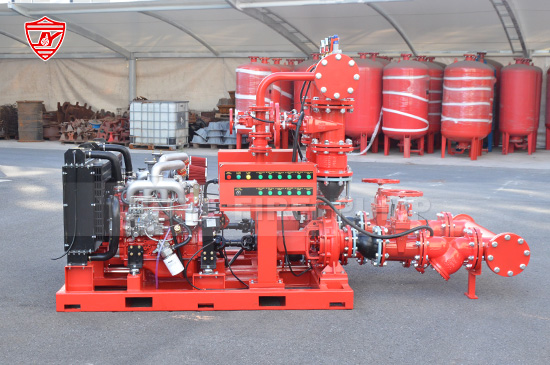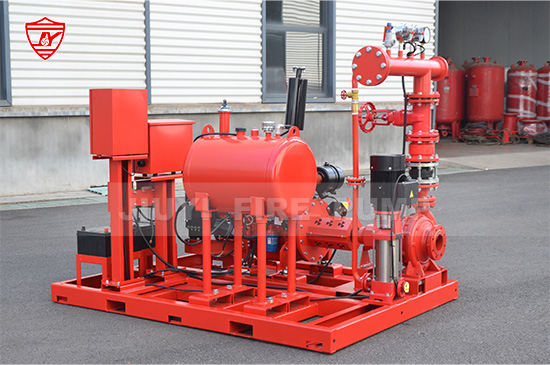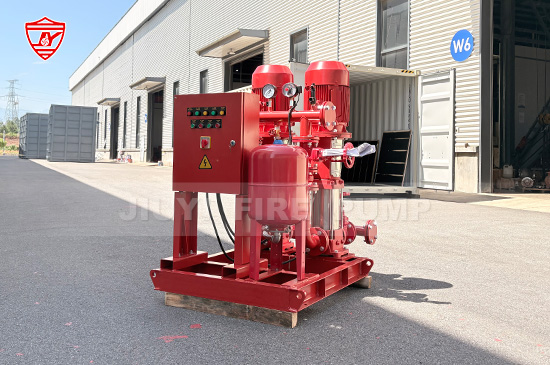
Fire pumps are a critical component of fire protection systems, designed to deliver reliable water pressure during emergencies. Whether installed in industrial plants, commercial buildings, warehouses, or municipal infrastructure, a fire pump must perform immediately when needed. However, one environmental factor is often underestimated: low temperature.
Cold weather can significantly impact fire pump performance, especially in regions that experience freezing temperatures, snow, or prolonged winter conditions. Low temperatures affect pump efficiency, engine starting reliability, lubrication systems, batteries, pipe integrity, and water availability. Without proper design and maintenance, a fire pump system exposed to cold weather may fail when it is needed most.
Understanding how low temperatures affect fire pump performance is essential for facility owners, fire protection contractors, and maintenance teams.
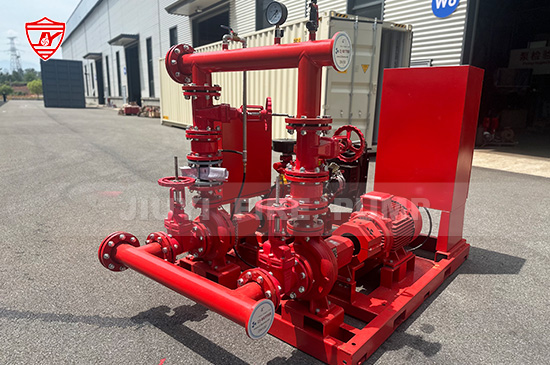
The most obvious challenge caused by low temperatures is water freezing.
A fire pump system depends on a continuous water supply. When ambient temperatures drop below 32°F (0°C), water inside pipes, valves, pump casings, and accessories can freeze. Frozen water expands, which can lead to:
Even partial freezing can restrict water flow and reduce system pressure. A blocked suction pipe or discharge line can prevent the pump from operating properly.
If a fire occurs and the fire pump cannot access sufficient water due to frozen components, the entire fire protection system is compromised.
This is especially critical for:
Proper freeze protection is necessary to ensure water remains in a usable liquid state throughout winter.
Diesel engine fire pumps are widely used because of their reliability during power outages. However, cold weather creates starting challenges for diesel engines.
At low temperatures, diesel fuel thickens and becomes less fluid. This can result in poor fuel atomization, slower combustion, and difficult engine starting.
Common cold weather diesel issues include:
Diesel contains paraffin wax. In low temperatures, wax crystals begin forming and can clog fuel filters and fuel lines. This process is known as fuel gelling.
Consequences include:
Cold temperatures reduce battery efficiency significantly. A battery that performs normally in warm weather may lose a large percentage of its cranking power in freezing conditions.
This can prevent the diesel engine from starting, particularly if the battery is old or poorly maintained.
Lubricating oil becomes more viscous in cold temperatures. Thick oil creates more resistance during engine cranking, increasing startup load.
This can lead to:
For diesel fire pumps, failure to start is one of the most serious cold weather risks.
Electric fire pumps generally experience fewer cold-start issues than diesel pumps, but they are not immune to low-temperature problems.
Common issues include:
Temperature fluctuations can cause condensation inside motor enclosures. Moisture accumulation may lead to:
Low temperatures can make cable insulation rigid and brittle. Repeated movement or vibration may cause cracking.
Damaged cables can create electrical failures or unreliable pump operation.
Grease viscosity increases in cold weather, reducing lubrication effectiveness. Poor lubrication can cause:
Although electric motors often perform well in winter, inadequate environmental control can still impact system reliability.
Fire pump controllers are essential for automatic system operation. These controllers monitor pressure and start the pump when system pressure drops.
Low temperatures can negatively affect:
Problems include:
Small pressure sensing lines are highly vulnerable to freezing.
A frozen sensing line may:
Many digital controllers use LCD screens, which can respond slowly or become unreadable in extreme cold.
Relays, circuit boards, and contactors may be affected by condensation or low-temperature contraction.
A controller failure can disable automatic pump startup, creating a major fire safety risk.
Rubber seals and gaskets are sensitive to temperature.
In low temperatures, elastomer materials can harden, shrink, or lose flexibility. This affects:
Consequences include:
Seal hardening can be especially problematic during startup, when sudden pressure changes stress already rigid materials.
Material selection is important for fire pumps operating in cold climates.
Certain fire pumps rely on proper priming to establish suction.
Cold temperatures can interfere with priming due to:
If priming systems fail, the pump may run dry or fail to achieve rated flow.
Dry running can quickly damage:
Pump priming issues are particularly common in:
Maintaining prime is essential for reliable winter performance.
Cold environments often create condensation as temperatures fluctuate between day and night.
When warm air meets cold surfaces, moisture forms on metal components.
Affected areas include:
Long-term condensation exposure leads to corrosion, which can cause:
Pump rooms should maintain stable temperatures and humidity control to reduce condensation risks.
Temperature changes cause materials to expand and contract.
In winter, repeated thermal cycling can stress:
This may result in:
Large fire pump systems with long pipe runs are especially vulnerable.
Proper piping design should account for temperature-related movement.
Cold weather often complicates inspection and maintenance activities.
Challenges include:
Neglected maintenance increases the likelihood of system failure.
Winter preparedness should include more frequent inspections rather than fewer.
Preventing cold weather failures requires proactive planning.
Maintain pump room temperature above freezing at all times.
Recommended measures:
A heated enclosure is one of the most effective ways to protect fire pumps.
Insulate:
Use proper industrial insulation materials suitable for fire protection systems.
For diesel fire pumps, jacket water heaters keep engine coolant warm, improving startup reliability.
Benefits include:
Battery maintenance should include:
Replace aging batteries before winter.
Select cold-weather compatible:
This reduces viscosity-related problems.
Routine fire pump testing is especially important in winter.
Check:
Testing helps identify cold-weather problems before emergencies occur.
Verify all freeze protection measures are operational, including:
A failed heater or damaged insulation can quickly create system vulnerabilities.
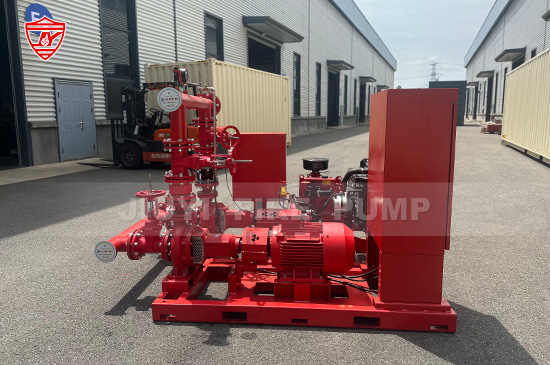
Low temperatures affect fire pump performance in many ways beyond simple freezing. Cold weather can damage piping, reduce diesel engine starting reliability, affect batteries, harden seals, disrupt controllers, and create condensation-related failures.
A fire pump is expected to operate instantly during a fire emergency. Even minor winter-related issues can cause delayed startup, insufficient pressure, or total system failure.
Facilities operating in cold climates should prioritize winterization through proper pump room heating, insulation, routine testing, cold-weather fluids, and preventive maintenance.