
Fire pumps are one of the most critical components in any fire protection system. Their sole purpose is to supply water at sufficient pressure and flow when a fire emergency occurs. Unlike general industrial pumps or domestic water pumps, fire pumps operate under a completely different design philosophy: they must work reliably under the worst possible conditions, without interruption.
One of the most important and often misunderstood principles in fire pump system design is this: fire pumps must not have automatic shutdown. This requirement is not a suggestion, nor a regional preference. It is a fundamental safety rule defined by international fire protection standards and proven by decades of real-world fire incidents.
This article explains why fire pumps must not shut down automatically, the risks associated with automatic shutdown, how standards such as NFPA 20 address this issue, and what building owners, engineers, and contractors must understand to ensure true fire safety.
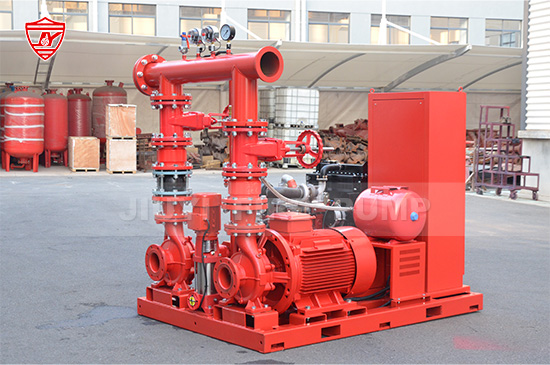
A fire pump exists for only one reason: to fight fire. It is not designed to protect equipment, save energy, or optimize efficiency. When a fire breaks out, every second matters, and water supply must remain available regardless of abnormal conditions.
During a fire event, conditions are unpredictable:
Power supply may fluctuate
Pipes may rupture
Valves may be damaged
Water demand may suddenly increase
System pressure may drop or surge
In such situations, a fire pump must continue operating as long as possible. Any automatic shutdown mechanism that stops the pump without human decision introduces unacceptable risk.
Automatic shutdown refers to any control function that stops the fire pump without manual intervention. This may include shutdown triggered by:
Low suction pressure
High discharge pressure
Overcurrent or overload
High temperature
Sensor failure
Minor mechanical abnormalities
In many industrial pumping systems, automatic shutdown is considered a protective feature. However, in fire protection systems, this same feature becomes a hazard.
Fire pump standards are based on one fundamental assumption: fire events create abnormal conditions.
Low suction pressure, excessive vibration, overheating, or electrical overload may all occur during a fire. These conditions would normally trigger shutdown in industrial pumps, but during a fire, shutting down the pump could mean:
Loss of water supply
Failure of sprinklers
Inoperable fire hydrants
Uncontrolled fire spread
A pump that stops automatically during a fire is often worse than a pump that continues running under stress.
Fire pump systems are designed with a clear priority: life safety over equipment safety.
From a fire protection perspective:
A damaged pump that keeps running is acceptable
A protected pump that stops during a fire is not
Automatic shutdown features are typically intended to protect the pump or motor. However, protecting equipment at the cost of water supply defeats the entire purpose of a fire pump.
Fire pumps are sacrificial by design if necessary. They are expected to run until the fire is controlled or until they physically cannot operate any longer.
NFPA 20, the globally recognized standard for the installation of stationary fire pumps, clearly defines how fire pumps must operate.
According to NFPA 20:
Fire pumps must start automatically when system pressure drops
Fire pumps must continue running until manually stopped
Automatic shutdown under most conditions is not permitted
The only limited exceptions involve catastrophic mechanical failure or diesel engine overspeed protection, and even these are tightly controlled.
The intent of NFPA 20 is clear: once a fire pump starts, it must not stop on its own during a fire event.
Automatic shutdown relies on sensors, transmitters, and control circuits. During a fire:
Heat may damage sensors
Smoke may affect electronics
Vibration may cause false readings
Water exposure may short circuits
A faulty signal could falsely indicate an abnormal condition and shut down the pump, even though the pump itself is still capable of supplying water.
Manual control ensures that trained personnel make the decision to stop the pump, not a potentially compromised sensor.
Firefighters expect fire pumps to deliver water continuously once engaged. Their tactics, hose deployment, and suppression strategy depend on stable pressure and flow.
An unexpected pump shutdown can:
Endanger firefighters inside the building
Cause hose pressure collapse
Delay fire suppression
Increase property damage
Result in loss of life
Automatic shutdown introduces uncertainty into a system that must be predictable and dependable.
Diesel fire pumps are especially relevant in discussions about automatic shutdown.
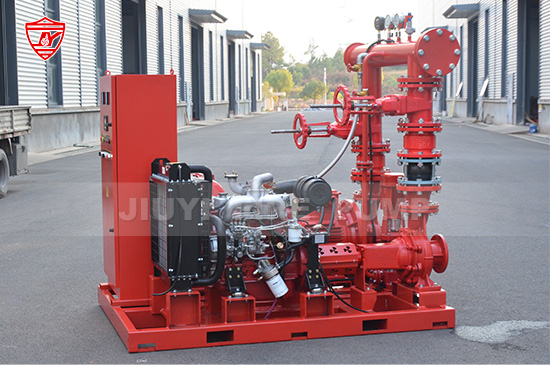
Diesel engines are designed to operate independently of electrical power, making them ideal for emergency use. However, modern diesel engines often include protective shutdown features for:
Low oil pressure
High coolant temperature
Engine overload
In fire pump applications, these shutdown functions must be modified, delayed, or alarm-only, depending on the applicable standard. A diesel fire pump must continue running even if engine conditions are outside normal ranges, as long as it can still deliver water.
Stopping a diesel fire pump automatically due to a non-critical engine condition during a fire can have catastrophic consequences.
Electric fire pumps are also subject to strict control logic requirements.
Unlike standard electric motors, fire pump motors:
Are allowed to draw higher current
May operate beyond normal service factors
Must not be disconnected due to overload during fire events
Fire pump controllers are specially designed so that protective devices alarm instead of trip whenever possible. This ensures that the motor keeps running and supplying water.
In industrial systems, this may be true. In fire protection systems, it is false. Fire safety is not about protecting machines, but about ensuring water delivery under extreme conditions.
Even advanced digital controllers cannot predict fire behavior. Technology cannot replace the judgment of trained personnel during an emergency.
In reality, insurers and authorities having jurisdiction require compliance with recognized fire standards. Automatic shutdown that violates NFPA 20 can lead to system rejection and insurance complications.
.jpg)