Large facilities face unique fire protection challenges. Warehouses, manufacturing plants, airports, hospitals, shopping centers, data centers, and high-rise commercial buildings all require stronger and more reliable fire suppression systems than smaller properties. When a fire emergency occurs, every second matters, and insufficient water pressure can quickly turn a manageable situation into a catastrophic loss.
This is why fire pumps have become a critical part of modern fire protection systems. For facility owners and project managers, investing in a fire pump is not simply purchasing equipment—it is making a long-term investment in operational safety, asset protection, business continuity, and regulatory compliance.
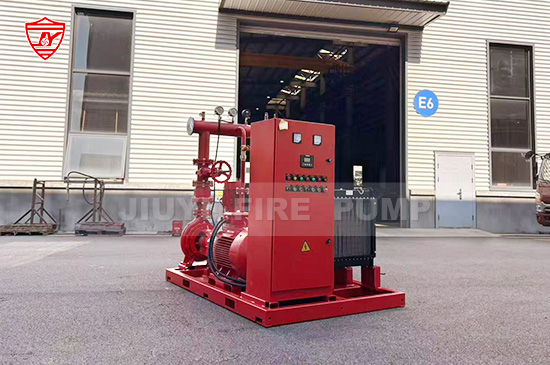
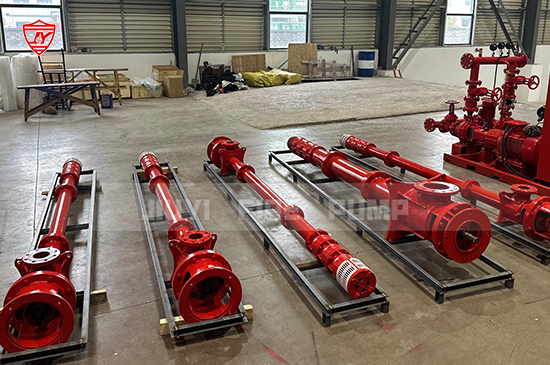
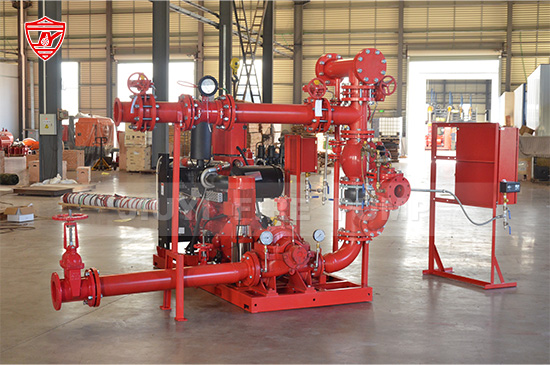
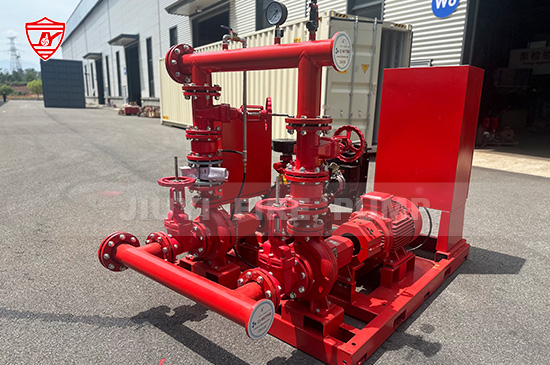
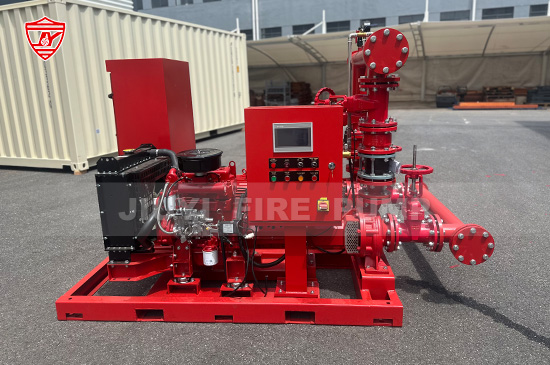
A fire pump is a core component of a fire protection system designed to increase water pressure and flow when the existing water supply cannot meet system demand. In many large facilities, municipal water systems alone cannot provide the pressure needed to support sprinklers, standpipes, hydrants, or foam suppression systems across extensive areas or multiple floors.
Fire pumps ensure that water reaches all critical protection points with sufficient pressure during an emergency.
Without a properly sized fire pump, even the most advanced sprinkler network may fail to perform effectively. This creates significant risks for property, personnel, and operations.
Large facilities particularly depend on fire pumps because of:
In short, a fire pump acts as the force behind the entire fire suppression system.
Small commercial buildings may sometimes rely solely on city water supply, but large facilities rarely have this luxury.
As facility size increases, so do fire protection demands.
Large facilities contain wider coverage areas, which means more sprinkler heads may activate simultaneously during a fire event.
For example, a warehouse or logistics center may require thousands of gallons per minute to protect storage areas. Municipal systems are often unable to maintain this demand consistently.
A fire pump provides the required flow rate to keep suppression systems functioning under peak demand conditions.
Pressure loss naturally occurs as water travels through long pipe systems, valves, fittings, and elevation changes.
In high-rise buildings or large campuses, this pressure loss can be substantial.
Fire pumps compensate for these losses, ensuring adequate pressure reaches:
Without this pressure support, fire response systems become unreliable.
Industrial facilities often store hazardous materials, chemicals, fuels, or high-value equipment.
These environments may require more advanced suppression systems, including:
These systems depend heavily on stable pressure and flow, making fire pumps essential.
A fire incident can cause more than physical damage. For many businesses, operational downtime is even more expensive.
Production delays, supply chain disruption, equipment replacement, inventory loss, insurance claims, and reputation damage can create financial consequences lasting months or years.
Investing in a reliable fire pump system helps reduce these risks.
A properly functioning fire protection system can suppress or contain fires before they spread extensively.
This reduces:
For manufacturing plants and logistics centers, faster fire control means faster return to operation.
Large facilities often contain expensive assets such as:
Fire pumps help ensure these assets receive proper fire protection coverage.
The cost of a fire pump is often far lower than the potential loss from a single fire event.
Fire safety regulations for large facilities are becoming increasingly strict worldwide.
Many projects must comply with standards such as:
Failure to meet these requirements can result in:
Installing a compliant fire pump system helps facility owners meet fire protection requirements with confidence.
For contractors, developers, and consultants, selecting certified fire pumps simplifies approval processes.
Properly designed systems reduce risk during:
This can save both time and project costs.
In the event of a fire, inadequate fire protection may expose owners to legal consequences.
A professionally installed fire pump system demonstrates proactive risk management and safety responsibility.
Some facility owners focus only on initial purchase cost, but this is often a short-sighted approach.
Fire pumps should be evaluated as long-term infrastructure investments.
Insurance providers often favor facilities with strong fire protection systems.
A reliable fire pump system may contribute to:
Over time, these savings can offset part of the equipment investment.
The financial impact of a major fire can include:
Compared to these risks, investing in a fire pump is highly cost-effective.
Quality fire pumps are built for durability and long-term performance.
With proper maintenance, fire pump systems can operate reliably for decades.
This makes them one of the most valuable safety investments for industrial and commercial infrastructure.
Reliability is non-negotiable in fire protection.
Unlike optional operational equipment, fire pumps are emergency-critical assets that must perform immediately when needed.
Modern fire pumps are designed with robust engineering features such as:
These features improve system readiness and reduce operational risk.
For facilities where uninterrupted fire protection is essential, such as hospitals, airports, and data centers, fire pump reliability is especially important.
Not all fire pumps are the same. Selecting the correct system depends on facility characteristics and hazard requirements.
Common fire pump types include:
Suitable for high-flow applications such as:
Advantages include high efficiency and easy maintenance.
Ideal when water is sourced from:
Commonly used in remote facilities or projects with limited municipal supply.
Often selected for smaller commercial systems or supplementary applications.
Used when electrical reliability is limited or backup power is required.
Preferred where stable power supply is available and lower maintenance is desired.
Choosing the right configuration requires evaluation of:
Working with an experienced fire pump manufacturer is critical to ensure system suitability.
A fire pump is not a generic product.
Large facility projects require customized engineering, compliance expertise, testing capability, and reliable after-sales support.
An experienced manufacturer can provide:
This reduces project risk and ensures better lifecycle performance.
When selecting a supplier, facility owners should prioritize:
For large facilities, fire pumps are not optional—they are foundational to effective fire protection.
They ensure sufficient water pressure, improve suppression performance, support compliance, reduce operational risk, and protect valuable assets.
More importantly, fire pumps help organizations maintain business continuity and reduce the potentially devastating consequences of fire emergencies.