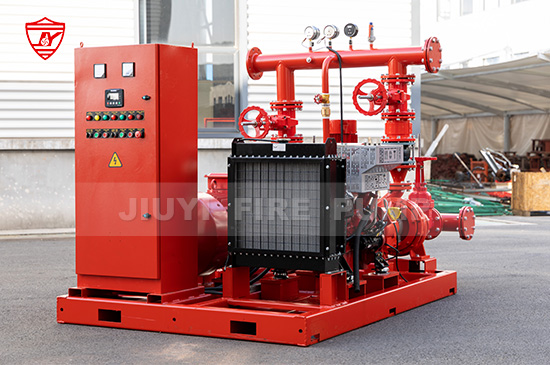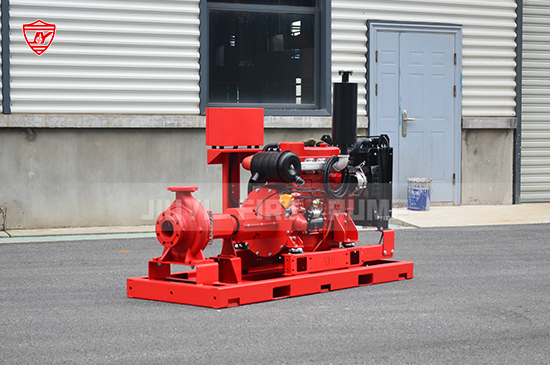
Fire protection is not simply about installing sprinklers, hydrants, or alarm systems. A complete fire protection strategy requires every component to work together under emergency conditions. Among these components, the fire pump plays a critical role in ensuring water-based fire protection systems perform as intended.
A fire pump is designed to provide sufficient water pressure and flow when the existing water supply cannot meet system requirements. In commercial buildings, industrial plants, warehouses, hospitals, airports, and high-rise structures, fire pumps are often the backbone of the fire suppression system.
Understanding the role of a fire pump in fire protection helps building owners, engineers, contractors, and facility managers design safer and more reliable systems.
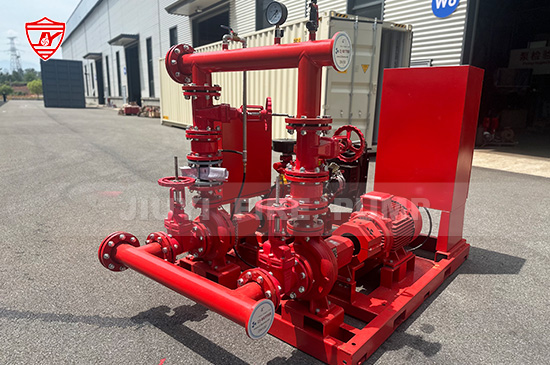
What Is a Fire Pump?
A fire pump is a specialized pump used in fire protection systems to increase water pressure for sprinkler systems, standpipes, hydrants, and hose reels.
Under normal conditions, municipal water supplies or storage tanks may provide basic water flow. However, in many buildings, especially tall or large facilities, this pressure is not enough to deliver water effectively during a fire emergency.
The fire pump solves this problem by boosting pressure and ensuring water reaches the required areas at the necessary flow rate.
Fire pumps are typically powered by:
- Electric motors
- Diesel engines
- Steam turbines in special applications
Common fire pump types include:
- Horizontal split case fire pumps
- End suction fire pumps
- Vertical inline fire pumps
- Vertical turbine fire pumps
Each type is selected based on project requirements, water source, installation conditions, and fire protection standards.
Why Is a Fire Pump Important in Fire Protection?
A fire protection system is only as reliable as its water delivery capability. Even the best sprinkler network cannot function properly without adequate pressure.
The fire pump serves several essential purposes.
1. Ensures Adequate Water Pressure
The most fundamental role of a fire pump is increasing water pressure.
For example, in a high-rise building, water must travel vertically through multiple floors. Without a fire pump, pressure losses caused by elevation and pipe friction may prevent water from reaching upper levels.
A fire pump compensates for these losses by supplying the required pressure.
This ensures:
- Sprinklers activate effectively
- Standpipe systems provide usable hose pressure
- Firefighters receive sufficient water flow
Without proper pressure, response time increases and fire spread risk becomes significantly higher.
2. Supports Automatic Sprinkler Systems
Automatic sprinkler systems are among the most effective fire suppression methods.
However, sprinklers require both pressure and flow to discharge water properly. If pressure is too low, sprinkler coverage may become inadequate, reducing fire control effectiveness.
A fire pump guarantees the sprinkler system receives enough hydraulic support to:
- Deliver required gallons per minute (GPM)
- Maintain design pressure
- Meet hazard classification requirements
This is especially critical in:
- Warehouses
- Manufacturing plants
- Distribution centers
- Commercial complexes
Large buildings often have complex sprinkler layouts that depend heavily on fire pump performance.
3. Maintains Standpipe System Performance
Standpipe systems provide firefighters with direct water access inside buildings.
These systems are especially important in:
- High-rise buildings
- Shopping centers
- Large industrial facilities
- Underground structures
A standpipe without sufficient pressure is nearly useless during firefighting operations.
The fire pump ensures firefighters can connect hoses and receive adequate water pressure at remote or elevated locations.
This improves firefighting efficiency and safety.
4. Compensates for Weak Water Supply
Not every project has access to a strong municipal water source.
Many facilities face challenges such as:
- Low city water pressure
- Remote project locations
- Limited infrastructure
- Variable seasonal supply
In these situations, fire pumps are essential.
Water may be supplied from:
- Fire water tanks
- Reservoirs
- Lakes
- Rivers
- Underground wells
The fire pump draws from these sources and delivers water into the fire protection system at the required pressure.
Without a fire pump, alternative water sources may not be usable for fire protection.
5. Improves Reliability During Emergencies
Fire emergencies are unpredictable.
A properly designed fire pump system provides dependable performance when immediate response matters most.
Fire pumps are typically equipped with:
- Automatic controllers
- Pressure sensing devices
- Backup power options
- Alarm monitoring
When system pressure drops due to sprinkler activation or hose demand, the fire pump automatically starts.
This rapid response minimizes delays and ensures continuous water supply.
Reliability is particularly critical in facilities where fire damage can cause major consequences, such as:
- Data centers
- Hospitals
- Oil and gas facilities
- Airports
- Manufacturing plants
How Does a Fire Pump Work?
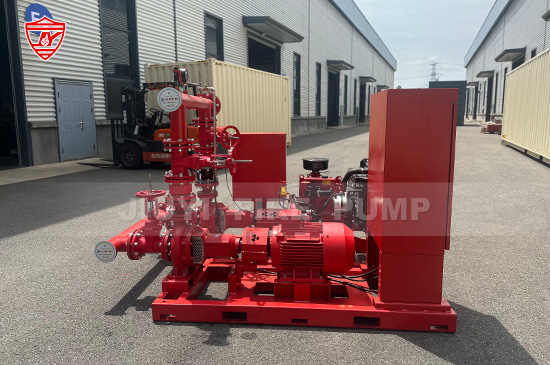
A fire pump is usually installed as part of a fire pump package, which includes:
- Fire pump
- Driver (electric motor or diesel engine)
- Controller
- Jockey pump
- Base frame
- Valves and fittings
Here is a simplified operation process:
Step 1: System Pressure Monitoring
The fire protection system remains pressurized under normal conditions.
A jockey pump maintains pressure and compensates for minor leakage.
Step 2: Pressure Drop Detection
When sprinklers open or hoses are used, system pressure drops.
Pressure sensors detect this change.
Step 3: Fire Pump Activation
Once pressure reaches the preset threshold, the fire pump controller automatically starts the pump.
Step 4: Pressure Boosting
The fire pump draws water from the source and boosts it into the system.
This ensures required pressure and flow are maintained.
Step 5: Continued Operation
The pump continues operating until manually shut down according to system procedures.
This design prevents accidental interruption during active firefighting.
Where Are Fire Pumps Commonly Used?
Fire pumps are required in many applications where water pressure or supply is insufficient.
Typical installations include:
High-Rise Buildings
Tall buildings require fire pumps because static pressure alone cannot support upper floors.
Applications include:
- Hotels
- Office towers
- Residential apartments
Industrial Facilities
Factories and plants often have high fire risks due to:
- Combustible materials
- Machinery
- Chemical processes
These sites require robust fire pump systems.
Warehouses and Logistics Centers
Large storage facilities often use sprinkler systems with high water demand.
Fire pumps ensure coverage across extensive floor areas.
Hospitals and Healthcare Facilities
Hospitals require uninterrupted fire protection due to occupant safety requirements.
Fire pumps support critical life safety systems.
Airports and Transportation Hubs
Large infrastructure projects rely on fire pumps for:
- Hangars
- Terminal buildings
- Fuel storage areas
Remote Facilities
Mining sites, agricultural projects, and isolated industrial operations often lack municipal water supply.
Fire pumps allow these sites to maintain compliant fire protection systems.
Key Factors When Selecting a Fire Pump
Choosing the right fire pump is essential for overall fire protection strategy.
Key considerations include:
Flow Requirement
Determine required flow based on system demand.
Measured in gallons per minute or cubic meters per hour.
Pressure Requirement
Calculate total pressure needed considering:
- Building height
- Pipe friction losses
- Required residual pressure
Water Source
Evaluate source type:
- Tank
- City supply
- Open source
Different sources may require different pump types.
Driver Type
Select between:
- Electric fire pump
- Diesel engine fire pump
Electric pumps are common where stable power exists.
Diesel pumps provide reliability where backup power is needed.
Compliance Requirements
Ensure equipment meets relevant standards such as:
- UL Listed
- FM Approved
- NFPA 20 requirements
Compliance ensures safety, reliability, and project acceptance.
Fire Pump Maintenance in a Fire Protection Strategy
Installing a fire pump is only the beginning.
Routine maintenance is essential to guarantee readiness.
Recommended maintenance includes:
- Weekly no-flow testing
- Controller inspection
- Diesel engine checks
- Battery maintenance
- Pressure gauge verification
- Flow testing
Poor maintenance can result in system failure during emergencies.
A fire pump should be treated as mission-critical equipment.
Conclusion
A fire pump plays a central role in any fire protection strategy by ensuring sufficient water pressure and flow for fire suppression systems.
Without a properly selected and maintained fire pump, sprinkler systems, standpipes, and hydrants may fail to deliver effective fire protection.