In high-risk environments, fire safety is not simply a regulatory requirement—it is a critical operational necessity. Facilities such as oil and gas plants, chemical factories, warehouses, airports, power stations, data centers, mining operations, and manufacturing facilities all face elevated fire hazards due to combustible materials, large equipment loads, or mission-critical infrastructure.
In these environments, a fire can escalate within seconds. Once suppression systems are activated, the performance of the fire pump becomes one of the most important factors determining whether a fire is controlled quickly or allowed to spread.
A fire pump is designed to supply water at the required pressure and flow to fire protection systems when the available water supply is insufficient. While this may sound straightforward, the reliability and performance of the pump under emergency conditions can directly impact asset protection, business continuity, and most importantly, life safety.
Fire pump performance refers to the ability of a fire pump system to deliver the required water flow and pressure under emergency conditions.
Performance is generally evaluated based on several factors:
A high-performing fire pump should start immediately when pressure drops, maintain stable pressure throughout operation, and continue delivering adequate water flow even under demanding conditions.
In high-risk areas, anything less than optimal performance creates unnecessary vulnerability.
Not all buildings have the same fire protection requirements. Residential or low-occupancy buildings typically face different risks compared to industrial facilities.
High-risk areas present unique challenges that place greater demands on fire pump systems.
Facilities containing flammable liquids, gases, chemicals, plastics, or fuel loads can experience rapid fire growth.
For example, in chemical plants or fuel storage facilities, ignition can lead to fire spread within moments. In such cases, sprinkler systems and hydrants must receive immediate and sufficient water pressure.
If a fire pump fails to start or cannot maintain pressure, suppression effectiveness is compromised during the most critical early minutes.
This is often the difference between a contained incident and catastrophic damage.
Warehouses, factories, airports, and industrial campuses usually require extensive fire protection coverage.
Long pipe networks, multiple sprinkler zones, foam systems, hydrants, and standpipe systems all rely on adequate hydraulic support.
A poorly performing fire pump may struggle to maintain pressure across distant or simultaneous demand points.
This can result in:
A properly sized and high-performance fire pump ensures system reliability throughout the entire facility.
High-risk applications often require significantly larger water flow rates.
Examples include:
These facilities may require thousands of gallons per minute during emergency operation.
A fire pump must be capable of sustaining these large flows without performance degradation.
Pump selection errors, undersized equipment, or poor hydraulic design can lead to insufficient fire suppression capacity.
When fire pump performance is overlooked, the consequences can be severe.
Insufficient pressure prevents sprinklers and hydrants from operating as intended.
Sprinklers are engineered to activate and discharge water at specific pressures. Without sufficient pump support, water discharge patterns may be weakened, reducing coverage and cooling efficiency.
This allows fires to continue growing.
If a fire pump has unreliable startup characteristics, even minor delays can increase fire severity.
A fire pump should start automatically and consistently when system pressure drops.
Common causes of startup failure include:
In high-risk areas, reliability is non-negotiable.
Industrial facilities often contain expensive machinery, inventory, data systems, and production assets.
A fire incident that is not controlled quickly can result in:
The cost of downtime frequently exceeds direct fire damage.
A reliable fire pump system is an investment in operational continuity.
Insufficient fire protection places building occupants and emergency responders at greater risk.
Stable hydrant pressure and dependable suppression systems improve firefighting efficiency and reduce hazard exposure.
Poor fire pump performance undermines the entire fire protection strategy.
Selecting the right fire pump requires careful evaluation.
A fire pump must match the hydraulic demand of the system.
Oversized or undersized pumps can both create problems.
An undersized pump cannot meet demand.
An oversized pump may create excessive churn pressure, system instability, or inefficient operation.
Hydraulic calculations should be performed to determine:
Proper pump selection ensures stable system performance.
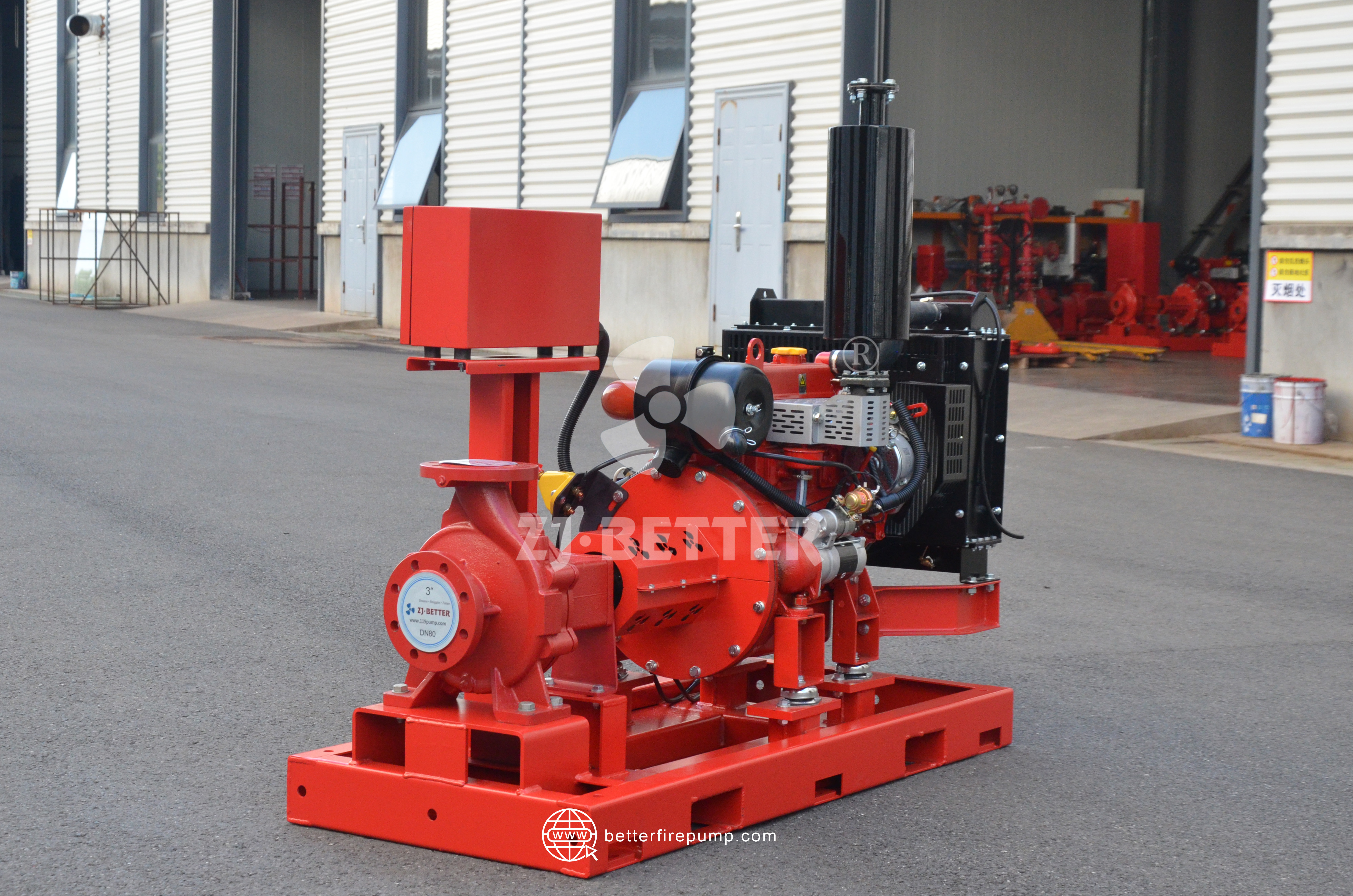
Fire pumps are commonly driven by:
Electric fire pumps are suitable where stable power infrastructure exists.
Diesel fire pumps are preferred when backup independence is required or power reliability is uncertain.
In high-risk industrial environments, diesel fire pumps are often selected for their operational independence during power outages.
Driver selection should align with facility risk profile.
High-risk facilities should prioritize pumps designed to recognized standards.
Common standards include:
Compliance supports product reliability, safety, and acceptance in regulated projects.
Certified equipment is generally subjected to stricter design and testing requirements.
Environmental conditions matter.
High-risk facilities may expose pumps to:
Material selection should reflect operating conditions.
For example:
Even the best fire pump will underperform without proper maintenance.
Routine inspection and testing help verify readiness.
Recommended practices include:
Testing confirms that the pump can perform under actual operating conditions.
Maintenance also reduces the risk of hidden failures during emergencies.
A fire pump that has not been tested is essentially unproven.
In high-risk projects, equipment quality and manufacturer expertise are equally important.
A reliable fire pump manufacturer should offer:
Manufacturers familiar with industrial fire protection applications can better recommend pump configurations for specific hazards.
This improves both project efficiency and long-term system reliability.
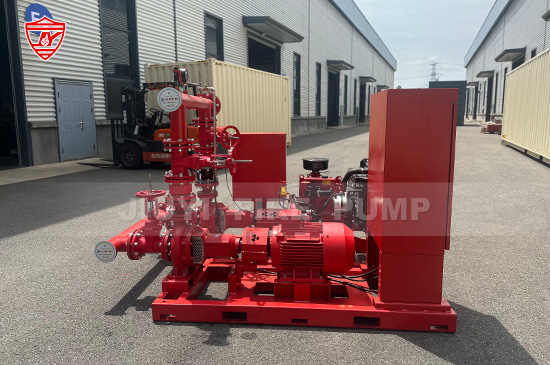
High-risk areas require fire protection systems that perform without hesitation.
When fire occurs, there is no time for equipment failure, unstable pressure, or insufficient flow. Fire pump performance directly affects suppression effectiveness, operational safety, and property protection.
A well-designed and properly maintained fire pump system ensures that fire protection infrastructure functions exactly as intended when needed most.