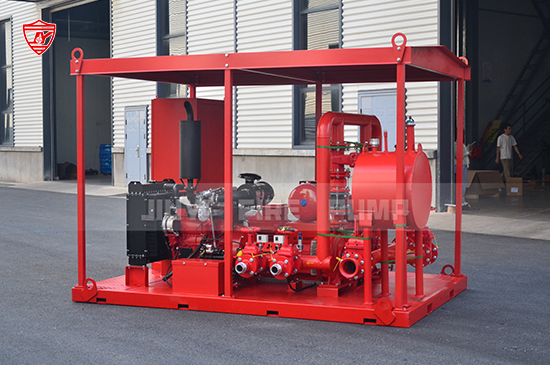
Fire emergencies happen unexpectedly and can escalate within minutes. In commercial buildings, industrial facilities, warehouses, hospitals, and residential complexes, a fast and effective fire protection response is critical for minimizing casualties, reducing property damage, and maintaining operational continuity. One of the most important components behind a reliable fire protection system is the fire pump.
A fire pump is not always visible to building occupants, but during a fire emergency, it plays a vital role in ensuring that sprinkler systems and standpipe systems receive sufficient water pressure to operate effectively. Without adequate water pressure, even a well-designed fire protection system may fail when it is needed most.
This article explains how fire pumps work, why they are essential in emergency situations, and how they directly contribute to saving lives.
What Is a Fire Pump?
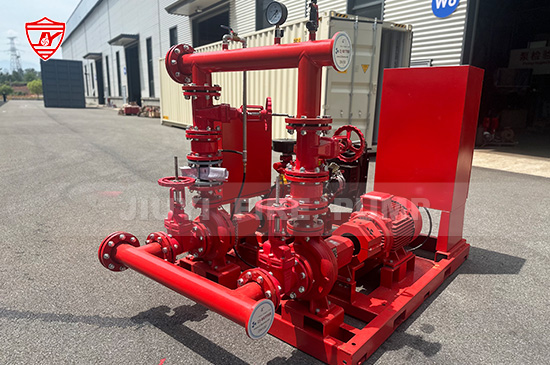
A fire pump is a specialized pump designed to increase water pressure in fire protection systems. It is typically installed as part of a building’s fire sprinkler or standpipe system.
In many buildings, the municipal water supply may not provide enough pressure or flow to meet firefighting requirements. This is especially common in:
- High-rise buildings
- Large warehouses
- Manufacturing plants
- Airports
- Hospitals
- Shopping malls
- Data centers
In these situations, a fire pump boosts water pressure to ensure water reaches all required areas quickly and effectively.
Fire pumps are commonly powered by:
- Electric motors
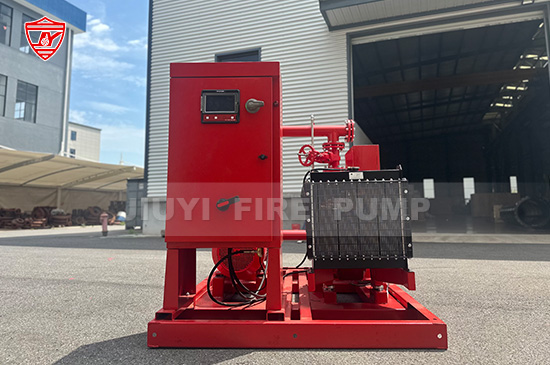
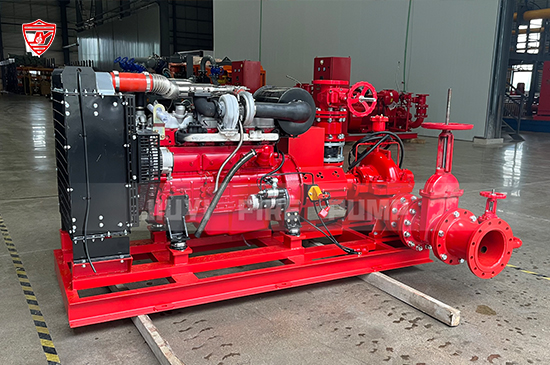
- Diesel engines
A complete fire pump package often includes:
- Main fire pump
- Jockey pump
- Controller
- Pressure relief valve
- Test header
- Baseplate and accessories
Together, these components form a complete fire pump system ready to activate when fire conditions occur.
Why Water Pressure Matters During a Fire
When a fire breaks out, every second matters. The primary goal is to suppress or contain the fire before it spreads.
Automatic sprinkler systems are often the first line of defense. However, sprinklers only work properly when they receive sufficient water flow and pressure.
Low water pressure can lead to serious problems such as:
1. Delayed Fire Suppression
If sprinkler heads release water at insufficient pressure, the water may not effectively control flames. Fire spreads rapidly, increasing danger to occupants.
2. Inadequate Coverage
Sprinklers are engineered to distribute water in specific patterns. Without proper pressure, coverage becomes uneven, leaving some areas unprotected.
3. Reduced Firefighter Support
Standpipe systems rely on pressurized water to supply firefighters on upper floors or remote building areas. Low pressure can slow manual firefighting efforts.
A fire pump solves these issues by maintaining the required water pressure from the moment the system is activated.
How Fire Pumps Work During an Emergency
A fire pump does not operate continuously under normal conditions. Instead, it remains on standby until the system detects pressure loss.
Here is how a typical fire pump system works during a fire emergency:
Step 1: Fire Detection or Sprinkler Activation
As heat from a fire rises, sprinkler heads nearest the fire activate automatically.
When sprinklers open, water begins flowing through the system.
Step 2: System Pressure Drops
Water discharge causes a drop in system pressure.
The pressure drop is detected by sensors or pressure switches connected to the fire pump controller.
Step 3: Jockey Pump Response
A jockey pump handles minor pressure fluctuations and helps maintain system pressure under normal conditions.
If the pressure drop is significant and exceeds the jockey pump’s capacity, the main fire pump is triggered.
Step 4: Main Fire Pump Starts Automatically
The controller starts the main fire pump automatically.
The pump immediately increases water pressure and flow to the sprinkler or standpipe system.
Step 5: Continuous Fire Protection
The fire pump continues running to maintain pressure until manually shut down after the emergency is resolved.
This automatic sequence ensures there is no delay in delivering critical water pressure.
How Fire Pumps Save Lives
Fire pumps are directly linked to life safety in several important ways.
1. Faster Fire Control
The earlier a fire is controlled, the lower the risk to building occupants.
Fire pumps ensure sprinklers discharge water at the required pressure immediately after activation. This helps:
- Slow fire growth
- Reduce heat release
- Lower smoke production
- Prevent flashover
By controlling the fire early, evacuation routes remain safer for occupants.
2. Protecting Evacuation Routes
Smoke and flames can quickly block stairwells, hallways, and exits.
Properly pressurized sprinkler systems help suppress fire spread around:
- Escape corridors
- Staircases
- Emergency exits
- Elevator lobbies
This provides more time for occupants to evacuate safely.
3. Supporting Firefighters
Firefighters rely heavily on building fire protection infrastructure.
In high-rise or large buildings, firefighters often connect hoses to standpipe outlets.
Fire pumps ensure these outlets receive strong and stable water pressure, enabling firefighters to:
- Attack fires more efficiently
- Reach upper floors faster
- Protect trapped occupants
Without sufficient pressure, manual firefighting becomes far more difficult.
4. Reducing Structural Damage and Collapse Risk
Uncontrolled fires weaken structural components such as:
- Steel beams
- Concrete structures
- Roof systems
By suppressing fire quickly, fire pumps indirectly reduce the risk of structural collapse.
This protects both occupants and emergency responders.
5. Protecting Critical Facilities
Some facilities cannot afford fire system failure.
Examples include:
Hospitals
Patients may be unable to evacuate quickly. Reliable fire pumps help contain fires while protecting vulnerable occupants.
Data Centers
Fire pumps support fire suppression systems protecting servers and critical business infrastructure.
Industrial Plants
Factories often contain flammable materials and expensive equipment. Fire pumps reduce operational downtime and safety risks.
Common Types of Fire Pumps
Different applications require different fire pump types.
Horizontal Split Case Fire Pump
This is one of the most common fire pumps for commercial and industrial buildings.
Advantages:
- High efficiency
- Easy maintenance
- Reliable performance
Best for:
- Large buildings
- Warehouses
- Factories
Vertical Turbine Fire Pump
Used when the water source is below ground, such as:
- Lakes
- Rivers
- Underground tanks
- Wells
Advantages:
- Suitable for limited floor space
- Ideal for deep water sources
End Suction Fire Pump
Compact and cost-effective.
Best for:
- Smaller commercial buildings
- Light industrial applications
Inline Fire Pump
Installed directly in pipeline systems.
Advantages:
- Space-saving design
- Simplified piping layout
Best for:
- Mechanical rooms with limited space
Diesel vs Electric Fire Pumps
Both power options are widely used depending on site conditions.
Electric Fire Pump
Advantages:
- Clean operation
- Lower maintenance
- Fast startup
Best for facilities with reliable power supply.
Diesel Fire Pump
Advantages:
- Independent from utility power
- Reliable during electrical outages
Best for:
- Backup applications
- Critical facilities
- Areas with unstable power supply
Many facilities install diesel fire pumps as a backup or primary solution for added reliability.
Importance of Fire Pump Testing and Maintenance
Even the best fire pump cannot save lives if it fails during an emergency.
Routine testing is essential.
Recommended practices include:
Weekly Inspection
Check:
- Pump room condition
- Fuel level
- Battery status
- Pressure gauges
- Valve positions
Weekly or Monthly Test Run
Run pumps regularly to verify readiness.
Annual Performance Test
Confirm pump performance meets required:
- Flow
- Pressure
- Speed
Testing ensures the system performs as designed when needed.
Fire Pumps and Compliance Standards
Fire pump systems should comply with recognized standards such as:
- NFPA 20
- UL Listed requirements
- FM Approved standards
- Local fire codes
Compliance ensures system reliability, safety, and acceptance by authorities.
Choosing certified fire pump equipment is essential for long-term operational security.
Choosing the Right Fire Pump Manufacturer
Not all fire pumps offer the same level of reliability.
When selecting a fire pump supplier, consider:
- Manufacturing experience
- Certification capability
- Testing facilities
- Engineering support
- Customization options
- Global project references
A reliable manufacturer provides not only equipment, but also long-term technical support.
Conclusion
During a fire emergency, water pressure can make the difference between a controlled incident and a catastrophic disaster.
Fire pumps are critical components in fire protection systems because they ensure sprinkler and standpipe systems deliver the water pressure required to suppress fires quickly and effectively.
By supporting early fire control, protecting evacuation routes, assisting firefighters, and reducing structural damage, fire pumps directly contribute to saving lives.
.jpg)