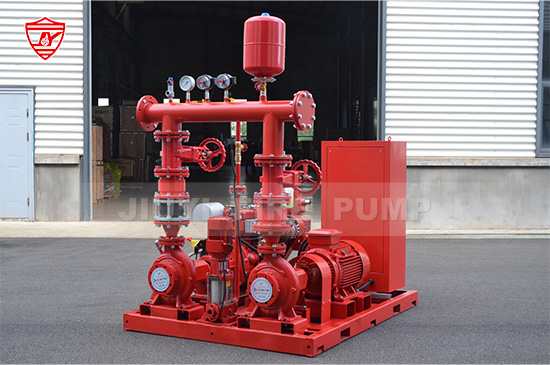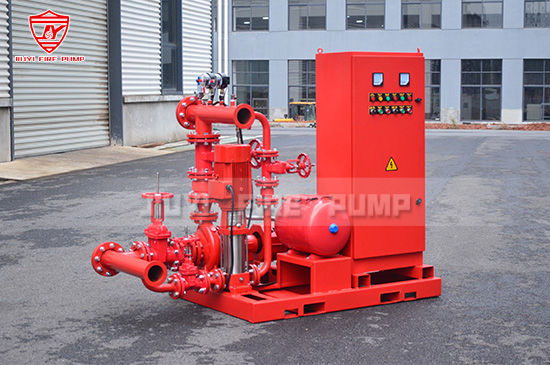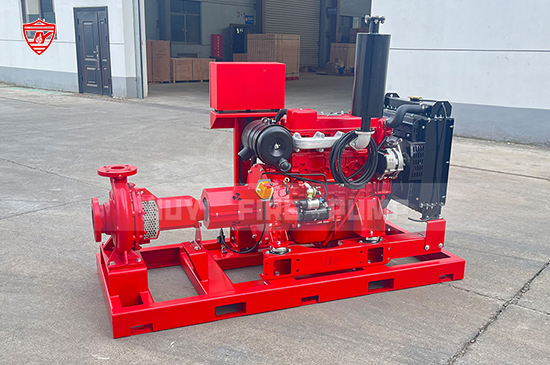
Fire pumps are critical components in fire protection systems, designed to provide reliable water flow and pressure when a fire emergency occurs. Whether installed in commercial buildings, industrial facilities, warehouses, power plants, or high-rise buildings, fire pumps must operate efficiently and consistently to ensure the safety of people and property.
However, one of the most common problems affecting centrifugal fire pumps is cavitation. Fire pump cavitation can significantly reduce pump performance, create abnormal noise and vibration, damage internal components, and shorten the service life of the entire fire protection system.
Understanding why fire pump cavitation occurs, how to identify its symptoms, and how to prevent it is essential for engineers, contractors, system designers, and facility owners responsible for fire safety.
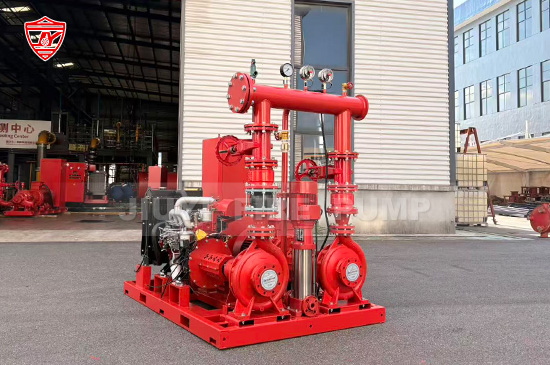
Fire pump cavitation is a condition that occurs when the pressure at the pump suction side becomes too low, causing the liquid inside the pump to vaporize and form small bubbles. When these vapor bubbles move into areas of higher pressure inside the pump, they suddenly collapse.
This rapid bubble collapse creates powerful shock waves that impact the internal surfaces of the pump components, especially the impeller. Over time, repeated cavitation can cause erosion, pitting, vibration, reduced efficiency, and even complete pump failure.
In a fire protection system, cavitation is especially dangerous because a fire pump must deliver the required flow and pressure immediately during an emergency. A damaged or inefficient pump may fail to provide enough water to the sprinkler system, hydrants, or fire suppression equipment when it is needed most.
Fire pump cavitation is usually caused by insufficient suction conditions. Several factors can contribute to cavitation, including improper system design, installation issues, operating conditions, and poor maintenance.
The most common cause of fire pump cavitation is insufficient Net Positive Suction Head (NPSH).
Every fire pump requires a certain amount of suction pressure to operate correctly. The available NPSH in the system must always be higher than the NPSH required by the pump. If the available suction pressure falls below the required level, the water pressure at the pump inlet can drop below the vapor pressure of water, resulting in cavitation.
Several factors can reduce available NPSH:
Proper hydraulic calculation during the design stage is essential to ensure adequate suction conditions.
Fire water tanks must maintain sufficient water volume to supply the fire pump under emergency conditions. If the water level becomes too low, the suction pressure decreases.
A low tank water level may occur due to:
When the water level drops below the recommended level, the fire pump may experience unstable suction conditions, increasing the risk of cavitation.
The suction piping system has a major impact on fire pump performance. Poor suction pipe design can create excessive friction losses and reduce pressure at the pump inlet.
Common suction piping problems include:
For reliable fire pump operation, suction piping should be designed to minimize pressure losses and provide smooth water flow into the pump.
A well-designed suction system helps maintain stable pump operation and prevents unnecessary pressure drops.
Air leakage in the suction piping is another common reason for fire pump cavitation.
Unlike water, air can be compressed. When air enters the suction line, it creates unstable flow conditions and reduces the pump’s ability to generate the required pressure.
Possible sources of air leakage include:
Air entering the suction system can also cause irregular pump operation, increased vibration, and reduced water discharge.
Regular inspection of suction piping connections is important to maintain reliable fire pump performance.
Every fire pump is designed to operate within a specific flow and pressure range. Operating outside these conditions can create unstable hydraulic conditions.
Examples include:
When a pump operates far away from its Best Efficiency Point (BEP), hydraulic instability may occur, increasing the possibility of cavitation.
Selecting the correct fire pump model according to system requirements is one of the most effective ways to prevent this problem.
Identifying cavitation early can prevent serious equipment damage. Common signs include:
A cavitating fire pump often produces a sound similar to gravel moving through the pump. This noise is caused by vapor bubbles collapsing inside the pump casing.
Cavitation creates unstable hydraulic forces that can cause abnormal vibration. Long-term vibration may damage bearings, mechanical seals, and other components.
A cavitating pump may fail to achieve the expected flow rate or pressure. In a fire protection system, this can affect the ability of sprinklers and hydrants to receive sufficient water supply.
Repeated cavitation causes small impact marks and erosion on the impeller surface. Over time, this damage reduces pump efficiency and may require expensive repairs.
Unstable discharge pressure is another indication of possible cavitation. Operators may notice inconsistent pressure readings during pump operation.
Preventing cavitation requires proper design, installation, operation, and maintenance practices.
Choosing the right fire pump based on required flow, pressure, suction conditions, and system requirements is the first step.
Engineers should consider:
A properly selected fire pump will operate efficiently and reduce the risk of hydraulic problems.
The suction system should provide adequate water supply to the pump inlet.
Good practices include:
A well-designed suction system improves reliability and helps maintain stable pump performance.
Regularly checking fire water tank levels and system conditions helps prevent low suction pressure.
Facility managers should monitor:
Routine inspections can identify problems before they affect emergency performance.
Fire pumps should be tested and maintained according to applicable fire protection standards and manufacturer recommendations.
Maintenance activities should include:
Regular maintenance ensures that potential cavitation problems are discovered early.
A professional fire pump manufacturer can provide engineering support, suitable pump selection, and reliable equipment solutions.
High-quality fire pumps designed with proper hydraulic performance, accurate manufacturing processes, and strict testing procedures can significantly reduce the risk of cavitation.
Unlike ordinary water pumps, fire pumps are emergency safety equipment. Their reliability directly affects the effectiveness of a building’s fire protection system.
Cavitation may appear as a small hydraulic issue, but if ignored, it can lead to serious consequences, including reduced water supply, equipment damage, unexpected downtime, and increased maintenance costs.
For this reason, engineers and facility managers should pay close attention to suction conditions, pump selection, installation quality, and regular testing.
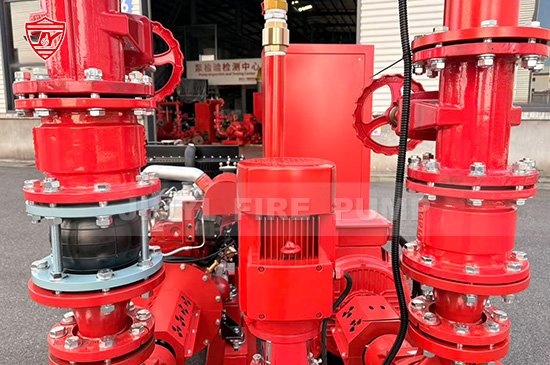
Fire pump cavitation occurs mainly because the pressure at the pump suction side is insufficient, causing water to vaporize and form damaging bubbles inside the pump. Common causes include low water levels, poor suction pipe design, air leakage, improper pump selection, and operation outside recommended conditions.
By understanding the causes of cavitation and implementing proper prevention measures, fire protection professionals can improve pump reliability, extend equipment life, and ensure that fire pumps perform effectively during emergencies.
A reliable fire pump system starts with correct design, quality manufacturing, professional installation, and continuous maintenance. Preventing cavitation is an important step toward building safer and more dependable fire protection systems.