
A fire protection system is designed to provide reliable water supply when a fire emergency occurs. Among all components in a fire suppression system, the fire pump plays a critical role by ensuring that sprinklers, hydrants, and other firefighting equipment receive sufficient water flow and pressure.
However, installing a fire pump is not simply about choosing the largest available model. Proper fire pump sizing is essential to ensure system performance, safety, compliance, and cost efficiency. A fire pump that is incorrectly sized may fail to provide adequate protection during an emergency or create unnecessary operational problems.
For building owners, engineers, contractors, and fire protection professionals, understanding why fire pump sizing matters is an important step in designing a reliable fire safety system.
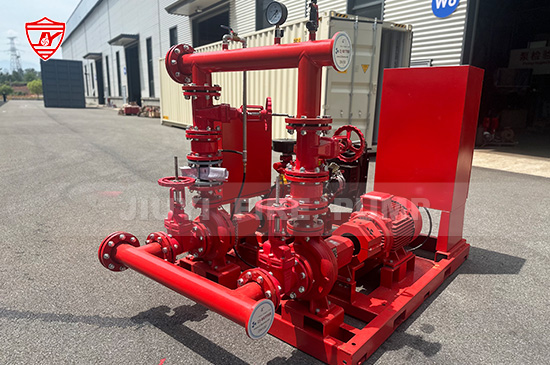
Fire pump sizing refers to the process of determining the correct pump capacity based on the required flow rate and pressure needed by a fire protection system.
The size of a fire pump is usually determined by two main parameters:
A properly sized fire pump must deliver enough water volume and pressure to meet the demands of the entire fire protection system, including sprinklers, standpipes, hydrants, and other firefighting equipment.
Fire pump sizing is not based only on the building size. Engineers must consider many factors, including building height, hazard classification, pipe layout, water supply conditions, friction losses, and applicable fire protection standards.
The primary purpose of a fire pump is to provide sufficient water during a fire emergency. If the pump is undersized, the system may not achieve the required pressure or flow rate.
For example, a building with multiple floors may require higher pressure to deliver water to upper levels. If the selected fire pump cannot overcome elevation differences and system resistance, sprinklers may not operate effectively, reducing the overall protection capability.
A correctly sized fire pump ensures that firefighting equipment receives the required water supply when it is needed most.
Every fire protection system has specific hydraulic requirements. Sprinkler systems and hydrants require a minimum amount of water flow and pressure to control or extinguish a fire.
An undersized fire pump may cause:
Proper fire pump sizing ensures that the pump can maintain stable performance under actual operating conditions.
While an undersized fire pump creates safety risks, an oversized fire pump can also cause problems.
A pump with significantly higher capacity than required may:
Selecting the right pump size helps achieve a balance between safety performance and operational efficiency.
Fire pump sizing requires a detailed analysis of the fire protection system design. Several important factors must be evaluated.
The required flow rate is one of the most important factors in fire pump selection.
The flow requirement depends on the type of fire protection system and the hazard level of the protected area. Different applications have different water demand requirements.
Examples include:
A warehouse storing combustible materials may require a much higher flow rate compared with a small commercial building.
Pressure is another key factor in fire pump sizing.
The pump must provide enough pressure to overcome:
For high-rise buildings, pressure requirements are usually higher because water must be delivered to upper floors.
Engineers calculate these pressure losses to determine the required pump pressure rating.
The available water supply also affects fire pump selection.
Before choosing a pump, engineers need to evaluate:
If the existing water supply cannot provide sufficient pressure or flow, a fire pump may be required to boost the system performance.
Different buildings have different fire risks.
Fire pump sizing must consider the hazard classification of the facility, such as:
Facilities with higher fire risks usually require greater water demand and more powerful fire pump systems.
Fire pump sizing must comply with relevant standards and regulations.
For many international projects, engineers follow requirements from organizations such as NFPA 20, which provides guidelines for the installation of stationary fire pumps.
UL Listed fire pumps are also widely used in projects where certified fire protection equipment is required.
Following recognized standards helps ensure that the fire pump system meets safety and reliability expectations.
One common mistake is choosing a fire pump based only on motor or engine horsepower.
Horsepower alone does not determine whether a pump is suitable. The correct selection depends on the relationship between flow, pressure, and system requirements.
A lower horsepower pump may perform better if it matches the system requirements, while a higher horsepower pump may be unsuitable if the operating conditions are incorrect.
Some facilities may expand in the future, increasing fire protection requirements.
A properly designed system should consider possible changes, such as:
However, selecting an excessively large pump without engineering analysis is not recommended. The pump should be sized based on realistic future needs.
Every fire pump has a performance curve showing the relationship between flow and pressure.
Engineers should review the pump curve to ensure the pump can operate effectively under different conditions.
Important points include:
Understanding the pump curve helps avoid incorrect selections.
Electric fire pumps are commonly used where a reliable electrical power supply is available.
Sizing considerations include:
Proper sizing ensures reliable operation without unnecessary energy consumption.
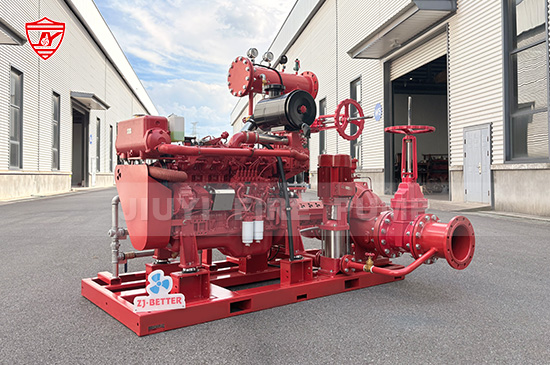
Diesel engine fire pumps are often selected for applications requiring independent power sources.
They are widely used in:
Diesel fire pump sizing must consider engine power capability, fuel supply, cooling systems, and operating conditions.
A jockey pump is used to maintain system pressure and prevent the main fire pump from starting unnecessarily due to small pressure losses.
Although smaller than the main fire pump, proper jockey pump sizing is important for maintaining system stability.
Choosing the right fire pump requires cooperation between engineers, contractors, and manufacturers.
An experienced fire pump manufacturer can provide technical support, including:
Manufacturers with advanced testing facilities can verify pump performance before delivery, helping ensure reliability in real-world applications.
For international fire protection projects, selecting a manufacturer experienced with UL Listed fire pumps, diesel fire pumps, and electric fire pump systems can provide additional confidence.
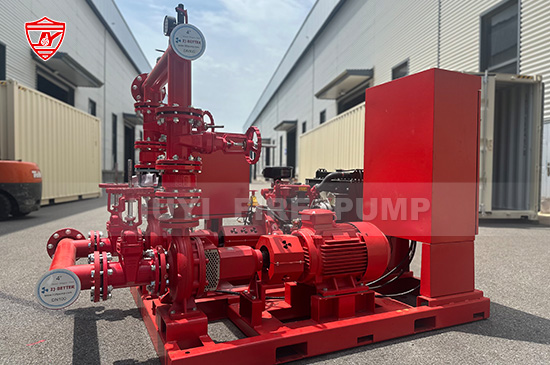
Fire pump sizing is one of the most important factors in designing a reliable fire protection system. The correct pump size ensures adequate water flow, proper pressure, compliance with safety standards, and efficient operation.
An incorrectly sized fire pump can compromise fire safety, increase costs, and create operational challenges. Engineers and project owners should carefully evaluate system requirements, including flow demand, pressure requirements, building conditions, water supply, and applicable standards.
By selecting the right fire pump size and working with an experienced fire pump manufacturer, businesses can build safer and more dependable fire protection systems that perform effectively when emergencies occur.
.jpg)