
Fire protection systems are designed to save lives, protect property, and minimize business disruption during fire emergencies. While sprinklers, hydrants, hoses, and suppression equipment often receive significant attention, one critical component works behind the scenes to ensure these systems perform effectively when needed most: the fire pump.
A fire pump serves as the heart of many fire protection systems, delivering the water pressure and flow necessary to combat fires efficiently. Without adequate water pressure, even the most advanced fire suppression systems may fail to operate as intended, potentially leading to catastrophic consequences.
This article explores why fire pumps are essential for fire protection systems, how they work, their key benefits, and the role they play in safeguarding people and assets.
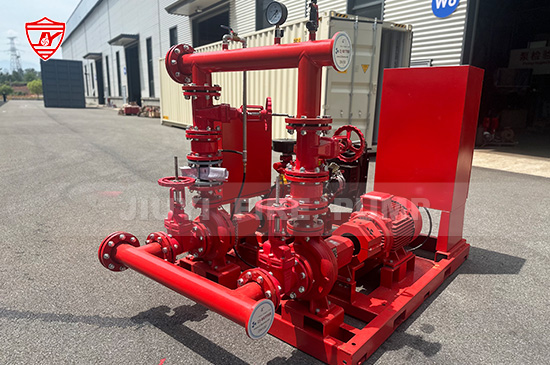
A fire pump is a specialized pump designed to increase the pressure of water supplied to fire protection systems. It becomes necessary when the available water supply cannot provide sufficient pressure or flow to meet the demands of a building's fire protection requirements.
Fire pumps are commonly installed in:
In these facilities, water from municipal supplies, storage tanks, lakes, reservoirs, or underground sources may not have enough pressure to support sprinkler systems and fire hydrants effectively. Fire pumps ensure that water reaches every part of the protected facility with the required pressure and volume.
A fire pump operates as part of a complete fire protection system. Under normal conditions, the system remains pressurized and ready for operation. When a fire occurs and a sprinkler head opens or a hydrant is activated, system pressure drops.
This pressure drop signals the fire pump controller to start the pump automatically. The pump then draws water from the designated source and boosts its pressure before delivering it throughout the fire protection network.
The primary components of a fire pump system typically include:
Together, these components ensure reliable and immediate response during emergency situations.
One of the most important reasons fire pumps are essential is their ability to provide adequate water pressure.
Many buildings, particularly tall structures and large industrial facilities, cannot rely solely on municipal water supplies. Water pressure may be insufficient to reach upper floors or remote areas of a facility.
During a fire emergency, every second matters. Insufficient pressure can result in:
Fire pumps eliminate these risks by ensuring the fire protection system receives the pressure required to perform as designed.
Automatic sprinkler systems are among the most effective fire protection technologies available. However, their effectiveness depends heavily on an adequate and reliable water supply.
Sprinkler systems are engineered to discharge a specific amount of water at predetermined pressures. If the pressure falls below the required level, sprinkler performance may be compromised.
Fire pumps help maintain the necessary hydraulic conditions for:
In many facilities, the sprinkler system's ability to suppress a fire before firefighters arrive depends directly on the performance of the fire pump.
High-rise buildings present unique fire protection challenges. Water pressure naturally decreases as elevation increases, making it difficult for municipal water systems to deliver sufficient pressure to upper floors.
Fire pumps play a critical role by boosting pressure to ensure:
Without fire pumps, many high-rise buildings would be unable to meet modern fire safety standards and code requirements.
Industrial facilities often contain significant fire hazards, including:
A fire in an industrial environment can spread rapidly and cause extensive damage. Fire pumps provide the high-capacity water flow required to support:
By ensuring reliable water delivery, fire pumps help industrial operators minimize fire-related losses and maintain business continuity.
When firefighters arrive at an emergency scene, they depend on available water supplies to control and extinguish the fire.
Fire pumps support firefighting operations by maintaining strong and consistent water pressure throughout the facility. This allows firefighters to:
Reliable fire pump performance can significantly improve emergency response effectiveness and reduce the duration of firefighting operations.
Many buildings are legally required to install fire pumps to comply with local fire codes and internationally recognized standards.
Important standards governing fire pump systems include:
Compliance helps ensure that fire protection systems perform reliably during emergencies and meet the expectations of insurers, regulators, and property owners.
A properly designed fire pump system contributes significantly to overall regulatory compliance.
Fire emergencies can disrupt electrical systems, making power reliability a major concern.
To address this challenge, many facilities install diesel engine fire pumps alongside or instead of electric fire pumps. Diesel fire pumps can continue operating even when electrical power is unavailable.
This redundancy provides critical advantages:
For facilities where uninterrupted fire protection is essential, diesel fire pumps are often a preferred solution.
Certain fire protection systems require extremely high water flow rates. Examples include:
In these environments, municipal water pressure alone is rarely sufficient.
Fire pumps provide the capacity needed to support large-scale suppression systems capable of controlling major fire incidents. Their ability to deliver substantial flow and pressure makes them indispensable for protecting high-value assets and critical infrastructure.
One of the primary objectives of any fire protection system is to minimize property damage.
A fire that is controlled quickly typically causes far less destruction than one that spreads throughout a building. Fire pumps help ensure rapid suppression by delivering water effectively to affected areas.
Benefits include:
The investment in a quality fire pump system can often save property owners millions of dollars in potential losses.
The most important purpose of a fire protection system is safeguarding lives.
Fire pumps contribute directly to life safety by ensuring fire suppression systems operate effectively during emergencies. By controlling fires in their early stages, fire pumps help:
The ability to deliver reliable water pressure during critical moments can make the difference between a manageable incident and a life-threatening disaster.
Several types of fire pumps are available to meet different application requirements.
These pumps are widely used because of their efficiency, reliability, and ease of maintenance. They are commonly installed in commercial and industrial facilities.
Compact and cost-effective, end suction pumps are often selected for smaller facilities and moderate fire protection demands.
These pumps save floor space and are suitable for buildings where pump room dimensions are limited.
Vertical turbine pumps are designed for applications where water is sourced from wells, lakes, rivers, or underground reservoirs.
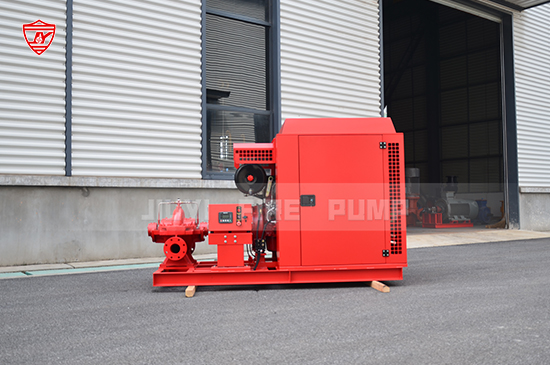
Powered by diesel engines, these pumps provide dependable operation when electrical power is unavailable.
Electric fire pumps offer efficient and environmentally friendly operation when a reliable power supply is available.
Selecting the appropriate pump type depends on site conditions, water source characteristics, system requirements, and applicable fire protection standards.
Even the best fire pump system requires routine inspection and maintenance to ensure readiness.
Regular testing helps verify:
Routine maintenance can identify potential issues before they become serious problems, ensuring the fire pump remains ready for operation at all times.
Organizations that follow recommended testing schedules benefit from improved reliability and greater confidence in their fire protection systems.
The quality of a fire pump directly affects the performance of the entire fire protection system.
When selecting a fire pump manufacturer, buyers should consider:
A reputable manufacturer can provide customized solutions that meet the specific needs of commercial, industrial, and municipal applications.
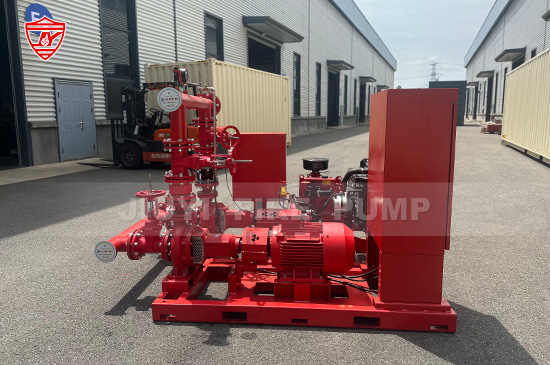
Fire pumps are a fundamental component of modern fire protection systems. They provide the water pressure and flow necessary to ensure sprinklers, hydrants, standpipes, and suppression systems operate effectively during emergencies.
From protecting high-rise buildings and industrial facilities to supporting firefighters and safeguarding lives, fire pumps play an essential role in reducing fire risks and minimizing losses. Their ability to deliver reliable performance under demanding conditions makes them indispensable for comprehensive fire protection strategies.
As fire safety requirements continue to evolve, investing in high-quality fire pump systems and maintaining them properly remains one of the most effective ways to ensure reliable protection for people, property, and critical operations.
.jpg)