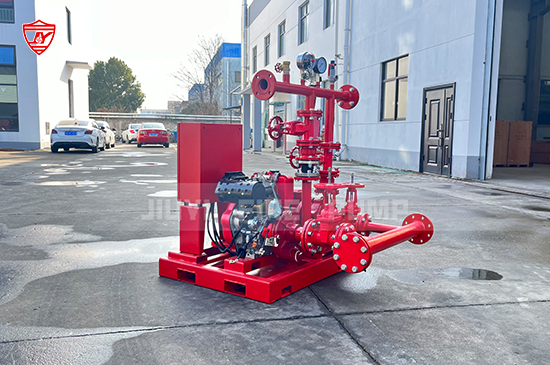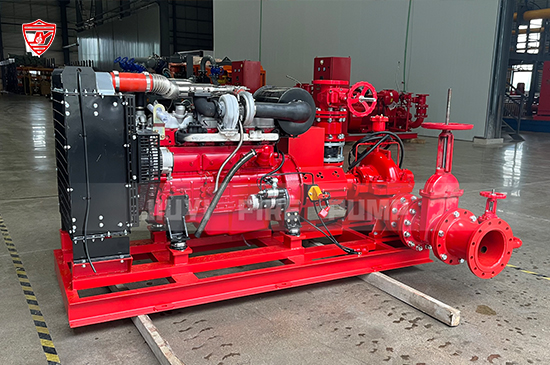
A diesel fire pump is a critical component of a fire protection system, particularly where an electric power supply may be unreliable, unavailable, or interrupted during an emergency. Because the diesel engine is responsible for driving the fire pump when required, reliable engine operation is essential to maintaining the required water flow and pressure.
One important protection function in a diesel-driven fire pump system is overspeed protection.
Diesel fire pump overspeed protection is designed to detect when the engine operates above its permitted speed and take appropriate action to protect the engine, pump, and overall fire protection system. Excessive engine speed can create significant mechanical stress and may lead to component damage, unstable pump performance, or engine failure.
Understanding how overspeed protection works, why it is required, and how it should be tested can help fire protection engineers, contractors, facility managers, and pump system operators improve the reliability of diesel fire pump systems.
.jpg)
Diesel fire pump overspeed protection is a safety function that monitors the rotational speed of the diesel engine driving the fire pump.
Every diesel engine has a designed operating speed. For example, a fire pump diesel engine may be configured to operate at a specific rated speed to drive the pump at its required rotational speed. If the engine speed increases significantly beyond the intended operating range, the system can enter an overspeed condition.
An overspeed condition means that the diesel engine is rotating faster than its permitted operating speed.
The overspeed protection system is designed to recognize this abnormal condition and initiate a protective response, normally by stopping the engine or activating the designated shutdown function according to the applicable system design and requirements.
This protection is important because the diesel engine and fire pump are mechanically connected. Excessive engine speed can affect not only the engine but also the pump shaft, coupling, bearings, impeller, seals, and other rotating components.
A diesel fire pump is expected to remain reliable under emergency conditions. Unlike many ordinary industrial pumping applications, a fire pump may be required to start automatically and operate when a building or facility is experiencing a fire.
Engine overspeed can create several risks.
Excessive rotational speed can place additional stress on pistons, connecting rods, bearings, crankshafts, valve components, turbochargers, and other engine parts.
If the engine continues operating at an excessively high speed, mechanical damage can occur. In severe cases, the engine may suffer catastrophic failure.
Overspeed protection provides an additional layer of protection against this type of abnormal operating condition.
The diesel engine drives the fire pump, so an excessive engine speed can cause the pump to rotate faster than its intended operating speed.
This may increase mechanical stress on the pump shaft, bearings, seals, coupling, and impeller. It can also affect the hydraulic performance of the pump.
Proper overspeed protection helps limit the risk of damage to the complete pump unit.
A fire pump system must be dependable when it is needed. A damaged diesel engine or pump may leave the system unavailable for future emergencies.
Overspeed protection is therefore part of a broader approach to fire pump reliability, alongside correct installation, routine testing, preventive maintenance, fuel management, cooling system inspection, battery maintenance, and controller testing.
A diesel engine operating at excessive speed may create vibration, excessive heat, abnormal noise, and mechanical stress.
Stopping the engine when an overspeed condition is detected can reduce the possibility of additional damage spreading to connected components.
The exact configuration depends on the diesel engine, fire pump controller, engine control system, and project requirements. However, the basic principle is relatively straightforward.
First, the system monitors engine speed.
An engine speed sensor or other speed-monitoring device provides information about the rotational speed of the diesel engine. The controller continuously evaluates this information against the programmed or specified operating parameters.
When the engine speed reaches the defined overspeed threshold, the protection system recognizes an abnormal condition.
The controller then initiates the appropriate protective action. Depending on the system design, this may include activating an overspeed alarm and stopping the diesel engine through the designated shutdown mechanism.
After an overspeed event, the cause should be investigated before the diesel fire pump is returned to normal service.
Overspeed protection should not be considered a substitute for correct engine adjustment or routine maintenance. It is a protective function designed to respond when abnormal engine speed occurs.
Understanding the potential causes of overspeed is important for maintenance personnel and fire pump operators.
Several conditions can contribute to engine overspeed.
A malfunction in the fuel injection or fuel control system can cause the engine to receive more fuel than intended. Depending on the engine design, this may contribute to an uncontrolled increase in engine speed.
The governor is responsible for helping control engine speed. If the governor does not operate correctly, the engine may fail to maintain its intended speed.
A damaged, incorrectly adjusted, or malfunctioning governor should be investigated immediately.
A problem with the engine control system, speed sensor, wiring, or controller can cause incorrect speed detection or abnormal engine operation.
Electrical connections and control components should therefore be inspected as part of routine maintenance.
Mechanical problems inside the engine can sometimes affect speed regulation. Wear, damage, poor adjustment, or failure of associated components can result in abnormal operating conditions.
Improper adjustment after maintenance can also create operating problems.
Diesel fire pump engines should be serviced according to the engine manufacturer's instructions, while the complete fire pump system should be maintained according to the applicable fire protection requirements.
When overspeed protection detects an excessive engine speed, the system should respond according to its designed protection sequence.
Typically, the controller identifies the overspeed condition and activates an alarm or indication. The engine shutdown function may then be initiated according to the system configuration.
The exact sequence depends on the equipment design and applicable requirements.
After activation, the fire pump should not simply be restarted repeatedly without investigating the reason for the overspeed condition.
Maintenance personnel should determine whether the event was caused by a sensor issue, governor problem, fuel system problem, control system fault, incorrect adjustment, or another mechanical or electrical condition.
The system should be returned to service only after the cause has been properly evaluated and the equipment has been verified to operate correctly.
Testing is an important part of maintaining diesel fire pump reliability.
Overspeed protection should be tested using the procedures specified by the equipment manufacturer and applicable fire protection requirements. Testing should be performed by qualified personnel using appropriate procedures and equipment.
During inspection and testing, several aspects may be evaluated, including:
Testing should be carefully controlled because intentionally creating an overspeed condition can introduce mechanical risk to the engine and pump.
The test procedure should therefore be designed to verify the protection function without unnecessarily exposing the equipment to damaging operating conditions.
For UL listed fire pump systems, the equipment should be installed, configured, tested, and maintained according to the applicable certification requirements, manufacturer's instructions, and project specifications.
Normal engine speed is the rotational speed at which the diesel engine is designed to operate while driving the fire pump.
The pump's hydraulic performance is closely related to its rotational speed. Changes in speed can affect pump flow, pressure, power requirements, and mechanical loading.
Overspeed occurs when the engine operates beyond the defined acceptable speed range.
This distinction is important because a small variation in operating speed does not necessarily mean that the engine is experiencing a dangerous overspeed condition. The protection system is intended to respond when the engine reaches the specified overspeed threshold.
The actual rated speed and protection settings depend on the specific diesel engine and fire pump assembly. These values should always be verified from the approved equipment documentation rather than assumed from another pump model.
The diesel fire pump controller plays an important role in monitoring and controlling the diesel engine.
A properly configured controller can provide information about engine operating conditions and abnormal events. Depending on the controller and system design, operators may be able to identify conditions such as engine running status, speed-related alarms, battery conditions, fuel-related conditions, and other system events.
For this reason, the controller should be treated as an essential part of the complete diesel fire pump system rather than simply an engine starting device.
Correct wiring, configuration, programming, alarm indication, and routine testing are all important for reliable operation.
Overspeed protection is a protective function, but prevention is equally important.
Regular maintenance can help reduce the probability of abnormal engine speed.
The diesel engine should be maintained according to the manufacturer's recommended maintenance schedule. Fuel system components, speed-control components, sensors, electrical connections, batteries, cooling systems, lubrication systems, and other critical components should be inspected as required.
The fire pump assembly should also be operated and tested regularly.
Operators should pay attention to unusual engine behavior, including sudden changes in speed, abnormal vibration, unusual noise, unstable operation, or unexpected alarms.
If an overspeed alarm occurs, the condition should be investigated rather than simply resetting the controller and continuing normal operation.
When selecting a diesel fire pump package, buyers often focus on flow rate, pressure, engine power, certification, dimensions, fuel tank capacity, and delivery time.
However, engine protection features should also be considered.
A reliable diesel fire pump package should combine a properly matched fire pump, diesel engine, controller, coupling, and supporting components.
The engine must be correctly matched to the pump's power requirements and operating speed. The controller and protection functions must also be compatible with the engine and system configuration.
For projects requiring UL listed equipment, purchasers should verify the applicable certification status of the complete equipment and the specific models being offered.
This is particularly important for industrial facilities, commercial buildings, warehouses, manufacturing plants, data centers, infrastructure projects, and other facilities where dependable fire protection is critical.
The reliability of a diesel fire pump depends on more than the engine itself. It is the result of proper hydraulic design, mechanical manufacturing, engine matching, controller integration, testing, quality control, and certification.
A qualified fire pump manufacturer should have the engineering and testing capabilities necessary to verify product performance.
Factory testing is especially valuable because it allows manufacturers to identify potential problems before equipment is shipped to the project site.
Performance testing can verify key characteristics such as flow, pressure, power consumption, rotational speed, and operating stability. Additional inspection and testing can help verify the integration of the pump, engine, controller, and associated components.
For projects with specific certification requirements, buyers should also confirm that the selected equipment has the appropriate approvals for the intended application.
.jpg)
Diesel fire pump overspeed protection is an important safety function designed to protect the diesel engine and fire pump from excessive rotational speed.
By monitoring engine speed and initiating the appropriate protective response when an overspeed condition occurs, the system can help reduce the risk of engine damage, pump damage, and extended fire pump downtime.
However, overspeed protection is only one part of a reliable fire protection system. Correct equipment selection, proper engine-to-pump matching, certified components, professional installation, routine inspection, regular testing, and preventive maintenance are equally important.
For fire protection engineers, contractors, facility owners, and purchasing teams, understanding diesel fire pump overspeed protection can help them evaluate equipment more effectively and maintain greater confidence in emergency fire water systems.
As a fire pump manufacturer, BETTER Technology Group focuses on the design, manufacturing, testing, and supply of fire pump systems, including diesel-driven fire pump solutions. A well-designed diesel fire pump package should provide not only the required hydraulic performance but also reliable engine control and protection throughout its service life.