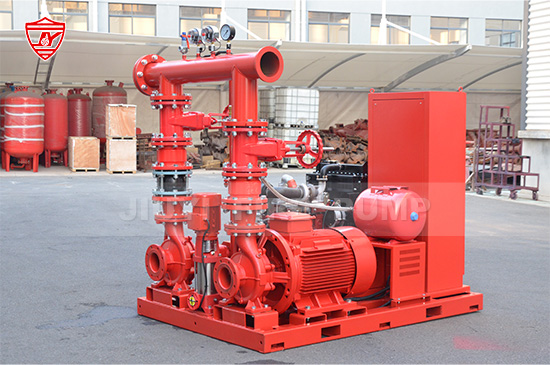
A diesel fire pump controller is a specialized control panel designed to automatically monitor, start, operate, and stop a diesel engine that drives a fire pump. It is a critical part of a diesel fire pump system because it ensures that the fire pump can start when required and provides operators with important information about the pump and engine condition.
Unlike a conventional motor control panel, a diesel fire pump controller is specifically designed for emergency fire protection applications. It must respond quickly to a drop in fire protection system pressure and provide reliable engine starting under emergency conditions.
A complete diesel fire pump system may include a diesel engine, fire pump, diesel fire pump controller, fuel tank, batteries, battery charger, valves, pressure sensing equipment, and other accessories. The controller acts as the control and monitoring center connecting the engine and the fire protection system.
For building owners, fire protection contractors, EPC companies, and system designers, understanding the function of a diesel fire pump controller is important when selecting, installing, commissioning, and maintaining a reliable fire pump system.
.jpg)
A fire pump is normally required to remain ready for operation even when the building is unoccupied or when the electrical power supply is unavailable. The diesel engine provides an independent driving source, while the diesel fire pump controller manages the engine's automatic operation.
The primary purpose of the controller is to make sure that the diesel fire pump can respond automatically when the fire protection system requires additional water pressure and flow.
For example, when a sprinkler system operates, water begins to flow and system pressure can decrease. When the pressure falls below the configured starting point, the controller detects the pressure change and initiates the diesel engine starting sequence.
If the first starting attempt is unsuccessful, the controller can continue the programmed starting sequence according to the applicable fire pump system requirements. Once the engine starts and reaches operating conditions, the controller monitors important parameters and provides status information to operators.
This automatic response is especially important for industrial facilities, warehouses, high-rise buildings, commercial buildings, data centers, infrastructure projects, and other facilities where fire protection must remain available during an emergency.
The working principle of a diesel fire pump controller can be divided into several basic stages: monitoring, pressure detection, automatic starting, engine operation, and system monitoring.
During normal operation, the diesel fire pump controller remains in standby mode. It continuously monitors signals from the fire protection system and the diesel engine.
A pressure sensing device is typically connected to the fire pump system. When system pressure remains within the normal range, the controller keeps the diesel engine stopped and ready for automatic operation.
The controller may also monitor engine-related parameters such as battery voltage, engine speed, oil pressure, coolant temperature, fuel condition, and other operating signals depending on the controller design.
When a sprinkler, hose station, hydrant, or other fire protection device demands water, system pressure can fall.
The pressure sensing arrangement sends a signal to the diesel fire pump controller. If the pressure reaches the configured starting point, the controller recognizes that the fire pump may be required.
This is one of the most important functions of a diesel fire pump controller because the pump should not depend on manual intervention to start during a fire emergency.
After receiving the appropriate start signal, the controller activates the diesel engine starting system.
Diesel fire pump engines generally use batteries and electric starting motors. A properly designed controller manages the starting sequence and monitors whether the engine has successfully started.
Reliable starting is particularly important because a diesel fire pump may remain unused for long periods and then be required to operate immediately during an emergency.
Once the diesel engine starts, the controller continues monitoring the engine and fire pump system.
Depending on the controller configuration, monitored conditions can include engine speed, oil pressure, coolant temperature, battery voltage, charging condition, fuel level, and engine running status.
If an abnormal condition occurs, the controller can provide visual indications and alarms to alert operators.
The controller provides operators with information about the condition of the diesel fire pump system.
A modern diesel fire pump controller may include a digital display, status indicators, alarm indicators, operating controls, event records, and other monitoring functions.
This information helps maintenance personnel understand whether the system is ready for operation and whether attention is required.
Although controller designs vary by manufacturer and application, a diesel fire pump controller typically includes several important components.
The enclosure protects the internal electrical and control components from environmental conditions and provides a dedicated interface for operating the fire pump system.
Modern controllers commonly use electronic control systems to manage starting sequences, monitoring, alarms, and communication functions.
The control logic must be designed specifically for fire pump applications rather than general industrial motor control.
The controller receives pressure information from the fire protection system. This allows the controller to determine when an automatic start condition has occurred.
Diesel fire pump engines generally require batteries for starting. The controller works with the engine starting system and battery charging system to maintain readiness.
Many fire pump applications use independent battery systems to improve starting reliability.
Battery chargers maintain the engine starting batteries in a ready condition. The controller can monitor charging conditions and provide indications when a battery or charging circuit requires attention.
The controller provides indications for important operating and fault conditions. These may include engine running, low oil pressure, high coolant temperature, low battery voltage, charger problems, overspeed, and other relevant conditions.
In addition to automatic operation, the controller normally provides manual operating controls for testing, maintenance, and emergency procedures.
The exact controls and operating sequence depend on the controller design and applicable project requirements.
One important feature of a diesel fire pump controller is the ability to support automatic starting while also allowing authorized personnel to operate the system manually when required.
Automatic starting is generally initiated by a pressure drop or another approved start signal.
Manual starting provides a way for operators or maintenance personnel to initiate engine operation during testing or specific emergency situations.
The distinction between automatic and manual operation should be clearly understood during commissioning and operator training. Fire protection personnel should know how the controller behaves under both normal standby conditions and emergency conditions.
Diesel and electric fire pump controllers perform similar overall functions, but their designs are different because the drivers are different.
An electric fire pump controller controls an electric motor and typically manages electrical power, motor starting, monitoring, and related functions.
A diesel fire pump controller manages a diesel engine and therefore needs to handle engine-specific functions such as battery starting, battery charging, engine speed, oil pressure, coolant temperature, fuel-related signals, and engine alarms.
The choice between an electric and diesel fire pump depends on the project's power supply, fire protection design, regulatory requirements, building characteristics, and risk assessment.
In many fire pump installations, diesel-driven equipment provides an important alternative when electrical power reliability is a concern.
Diesel fire pump controllers are used in life-safety applications, so their design and installation must follow the requirements applicable to the project.
NFPA 20, the standard widely referenced for the installation of stationary pumps for fire protection, contains requirements related to fire pump drivers, controllers, starting arrangements, monitoring, and related equipment.
Projects may also require equipment to carry specific product certifications or approvals, depending on the market and authority having jurisdiction.
For international projects, buyers may look for UL Listed or other recognized certification and approval requirements. However, the exact requirements can vary by project, country, fire protection authority, and specification.
For this reason, contractors and system designers should confirm the required standards and approvals before selecting a diesel fire pump controller.
Selecting the correct controller is not simply a matter of choosing a panel with the appropriate appearance or enclosure size. Several technical factors should be considered.
First determine which standards and certifications apply to the project. For projects requiring UL Listed fire pump equipment, the controller should be selected according to the applicable certification and system requirements.
The controller must be compatible with the selected diesel engine and its starting, monitoring, and alarm requirements.
The engine model, battery configuration, starting system, sensors, and communication requirements should all be considered.
The controller should match the complete fire pump system, including the fire pump, diesel engine, pressure sensing system, fuel system, and other associated equipment.
A controller should not be evaluated as an isolated product. Compatibility with the complete fire pump package is essential.
The installation environment can influence controller selection. Temperature, humidity, dust, ventilation, indoor or outdoor installation, and other environmental factors should be considered.
The controller enclosure and components should be appropriate for the actual installation conditions.
A good controller should provide clear information about system status and important abnormal conditions.
Easy-to-read displays and clear alarm indications can help maintenance personnel identify problems quickly and reduce troubleshooting time.
Fire pump equipment is safety-critical equipment. The manufacturer's engineering capability, testing facilities, production quality control, technical support, spare parts availability, and commissioning support can be important factors in the purchasing decision.
A diesel fire pump controller should be inspected and tested as part of the overall fire pump system maintenance program.
Routine checks can include controller condition, battery condition, battery charger operation, engine starting performance, alarm functions, pressure sensing, indicators, and associated wiring.
Testing should be performed according to the applicable standards, project requirements, and manufacturer's instructions.
Maintenance personnel should also verify that the controller remains accessible and that its operating instructions and status indications are clearly visible.
Because a fire pump may remain on standby for extended periods, regular testing is essential. A system that starts successfully during commissioning cannot automatically be assumed to remain reliable indefinitely.
Several issues can affect diesel fire pump controller operation.
Battery deterioration is one common concern because weak batteries can reduce engine starting reliability. Battery charger problems can also prevent batteries from remaining fully ready.
Pressure sensing problems can cause unwanted starting or prevent the controller from receiving the correct start signal.
Electrical connections, sensors, control wiring, and environmental conditions should also be inspected when troubleshooting controller problems.
Another potential issue is incorrect commissioning. Improper settings, incorrect wiring, incompatible components, or inadequate testing can affect the performance of the complete fire pump system.
Professional installation and commissioning are therefore essential.
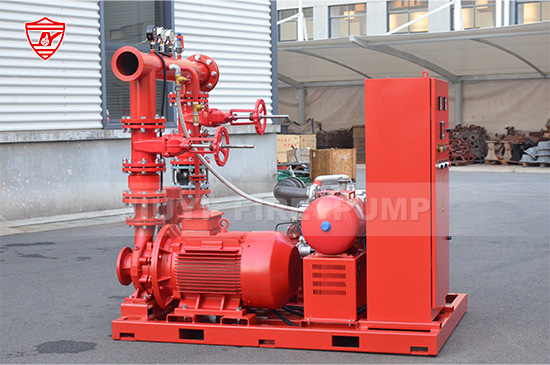
A diesel fire pump controller is only one component of a complete diesel fire pump package. The reliability of the complete system depends on how the pump, diesel engine, controller, fuel system, batteries, and other components are selected, manufactured, assembled, and tested together.
Working with an experienced fire pump manufacturer can simplify system integration and technical coordination.
A manufacturer with dedicated pump testing facilities can also verify hydraulic performance and system operation before delivery. For projects requiring UL or other certifications, experience with certified fire protection products can further support project compliance.
At BETTER Technology Group, we focus on the development and manufacturing of fire pumps, diesel fire pump systems, electric fire pumps, jockey pumps, motors, and related fire protection equipment. Our manufacturing and testing capabilities support the development, assembly, and performance verification of complete fire pump solutions for international markets.
.jpg)
A diesel fire pump controller is the control and monitoring center of a diesel-driven fire pump system. Its primary role is to keep the system ready, detect when automatic starting is required, start the diesel engine, monitor operating conditions, and provide important status and alarm information.
Choosing the right controller requires more than checking basic electrical specifications. Project standards, certifications, diesel engine compatibility, starting systems, monitoring functions, environmental conditions, and manufacturer support should all be considered.
For fire protection contractors, EPC companies, consultants, and facility owners, understanding how a diesel fire pump controller works is an important step toward designing and maintaining a dependable fire protection system.
A properly selected, installed, tested, and maintained diesel fire pump controller helps ensure that the fire pump system is ready to perform when it is needed most.
.jpg)