Upgrading a fire pump system is one of the most critical projects for any facility that relies on continuous fire protection. Whether you operate a commercial complex, industrial plant, data center, or high-risk storage facility, shutting down the fire pump — even temporarily — can create an unacceptable level of risk. In many industries, an unnecessary shutdown disrupts production, violates insurance requirements, and may even break local or international fire protection standards.
Fortunately, many facilities can upgrade their fire pump system without shutting down operations, as long as the project is strategically planned, properly engineered, and executed in full alignment with NFPA, UL, and local codes. This article explains how to approach a seamless upgrade, the technical considerations involved, and best practices manufacturers and installers should follow to guarantee continuity of fire protection.
Even a reliable system reaches the point where upgrades become essential. The main reasons include:
Changes in building layout, occupancy, or fire load can require a larger pump, increased pressure, or higher flow ratings. Expanding factories, warehouse stacking height increases, and new hazards often necessitate an upgrade.
Standards such as NFPA 20, UL 448, and local fire codes evolve over time. Authorities may require compliant equipment before renewing fire approvals, insurance policies, or operational licenses.
Modern fire pumps, controllers, and jockey pumps offer better efficiency, reduced mechanical wear, and lower water hammer risk. Facilities with older systems often upgrade to reduce maintenance costs.
Aging diesel engines, corroded pump casings, outdated controllers, and non-standard parts can all lead to poor reliability. When repair costs exceed replacement costs, upgrading makes more sense.
Fire pumps must perform instantly during emergencies. Upgrading ensures that pressure, flow, and system response times meet safety requirements at all times.
The most important objective is maintaining fire protection while replacing or upgrading components. Facilities cannot be left unprotected at any time, so a temporary or parallel system must be established before any part of the existing installation is taken offline.
Achieving this requires careful planning, system redundancy, and clear communication between the fire pump manufacturer, installer, and facility management team.
The first step is a detailed assessment of the existing fire pump system, including:
Pump model, rating, and performance history
Controller type, age, and condition
Suction arrangement and water supply availability
Discharge valves, pressure relief valves, and jockey pump controls
Space limitations around the pump room
Water tank or municipal water capacity
Fire sprinkler or hydrant demand curves
This assessment allows engineers to design an upgrade that avoids interfering with the current system’s ability to provide fire protection.
All upgrade options must comply with NFPA 20, the standard for installation of stationary fire pumps. Additionally, local authorities may require permits or inspection steps before changes can be made.
Depending on site conditions, engineers decide whether to use:
A temporary bypass pump
A parallel pump installation
A phased replacement strategy
A modular upgrade of individual components (e.g., controller, jockey pump, relief valve)
A drop-in replacement if footprint and suction/discharge flanges match
Choosing the right method ensures uninterrupted fire protection.
Ensuring continuity of protection is the most essential part of an upgrade project. Here are the typical methods facilities use.
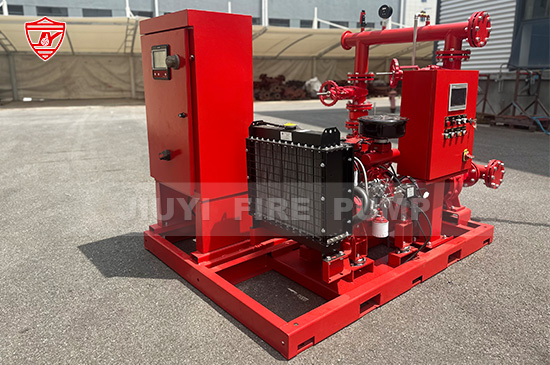
A temporary unit — either diesel or electric — is connected to the system through a bypass line. For outdoor environments or short-term upgrades, a skid-mounted or containerized pump is often used.
Temporary systems require:
Adequate suction supply
Reliable power or fuel
Proper controller setup
Certification or performance testing
Isolation valves for safe switchover
This option is ideal when the existing pump must be fully removed.
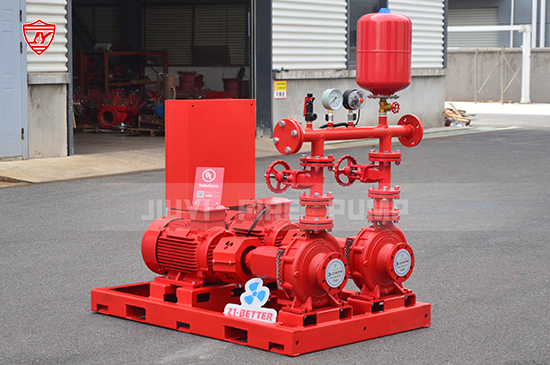
If space allows, a new fire pump can be installed beside the existing one and connected to the shared suction and discharge manifolds. Once the new pump is commissioned and tested, the old one can be removed without shutting down fire protection.
Parallel installations are common when increasing pump capacity.
Some facilities only need to upgrade:
Diesel engine
Electric motor
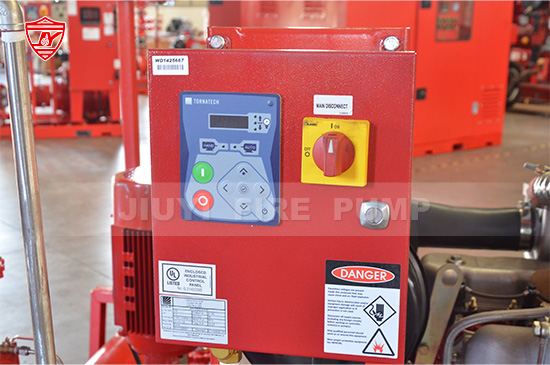
Fire pump controller
Transfer switch
Jockey pump
Relief valves or flow meter
In these cases, the main fire pump remains active. Each component can be isolated and replaced during scheduled windows.
During the switchover, technicians carefully close and open isolation valves to ensure pressure is always available downstream to the protection system.
A temporary pressure monitoring system ensures the facility maintains required residual pressure throughout the upgrade.
When replacing controllers, ATS equipment, or sensors, electricians follow NFPA 70 and NFPA 72 guidelines. Critical control signals include:
Pump start signal
Low suction pressure alarm
Emergency stop interface
Automatic weekly test program
Fuel or power supply monitoring
Ensuring these signals remain operational prevents any lapse in protection.
For pump replacement, matching centerline height, flange size, and orientation reduces downtime. When deviations occur, a prefabricated spool piece is used to ensure perfect alignment.
All upgraded systems must be fully tested before the temporary or old equipment is removed. Testing follows NFPA 20 and AHJ requirements.
The pump is tested for:
Rated flow
150% of rated capacity
Shutoff pressure
Net pressure increase
If upgrading components (e.g., controller), functional testing verifies automatic and manual modes.
The following signals must be verified:
Pump running
Power failure
Low fuel or low suction pressure
Phase reversal or phase loss
Controller door tamper
Emergency stop
Once performance is validated and approved, the temporary or old system is isolated and taken offline. At no point is the facility left unprotected.
Avoid peak production or high-hazard activities when possible. Even with a temporary pump, limiting risk exposure is advisable.
Certified components ensure that performance, reliability, and inspection processes meet regulatory expectations.
Fire departments, insurance providers, facility managers, and contractors must all understand the upgrade schedule.
Accurate documentation helps during future inspections, audits, or maintenance activities.
Operators should be trained on new controllers, testing procedures, alarm responses, and maintenance requirements.
Upgraded systems perform best when maintained regularly. Proper routines help extend pump life and ensure long-term reliability.
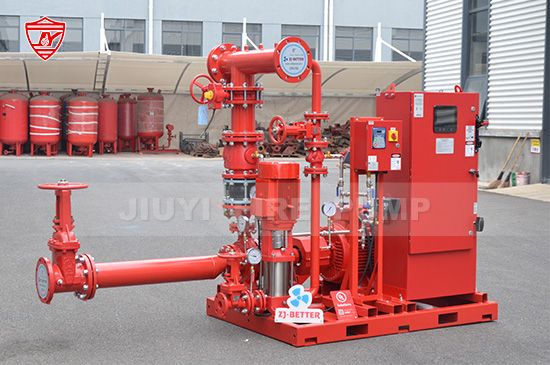
Upgrading a fire pump system without shutting down operations is achievable with careful planning, high-quality equipment, and strict adherence to fire protection standards. By installing temporary systems, using parallel pumps, or performing phased component upgrades, facilities can maintain uninterrupted fire safety while modernizing critical infrastructure.
A well-executed upgrade not only improves performance and compliance but also ensures long-term reliability during emergencies. For facilities that cannot risk downtime, this approach provides the safest and most efficient path to a stronger fire protection system.