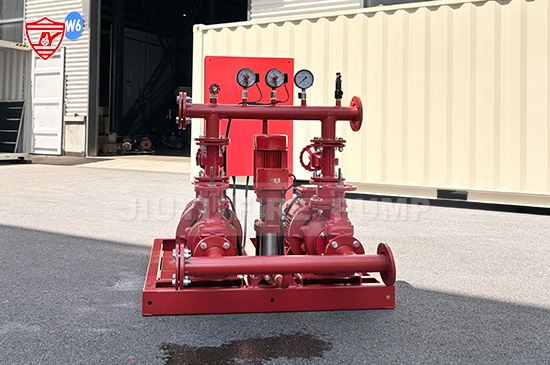
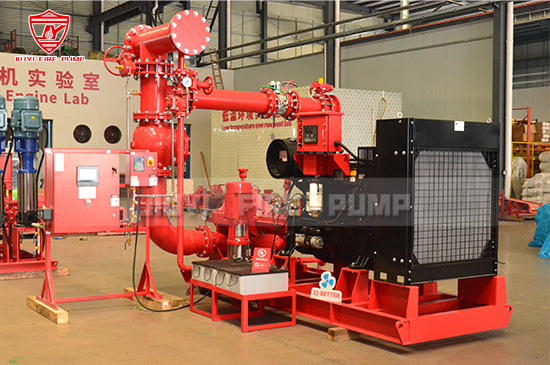
Fire pumps are critical components in fire protection systems, providing the water pressure needed to fight fires and ensure safety in commercial, industrial, and residential buildings. However, like any mechanical system, fire pumps are susceptible to issues that can compromise their performance when you need them most. Troubleshooting these problems quickly and effectively is essential for maintaining the safety and reliability of your fire protection system.
In this guide, we will explore the most common fire pump issues, explain how to identify them, and provide troubleshooting steps to resolve each one. Whether you're a facility manager, firefighter, or fire pump technician, understanding how to troubleshoot fire pump issues is a crucial skill.

1. Fire Pump Won't Start
One of the most common issues that can occur with fire pumps is that they won't start when needed. This can be caused by several factors, including electrical issues, mechanical failure, or a faulty pump controller.
Possible Causes:
- Power Supply Problems: Ensure that the power supply to the fire pump is active and functioning. If there’s a power outage, check the backup power source, such as a diesel generator, to ensure it is operational.
- Controller Malfunction: Fire pump controllers regulate the pump’s operation. A malfunction in the controller can prevent the pump from starting. Check the controller settings and fuses for any signs of damage.
- Motor Failure: If the electric motor or diesel engine isn't working properly, the pump won't start. Inspect the motor for any visible damage, and check for any issues with the starter circuit or electrical connections.
Troubleshooting Steps:
- Check the power supply and backup systems to ensure they are functioning correctly.
- Inspect the controller for faults, such as blown fuses or faulty relays.
- Test the motor and engine to ensure they are in good working order. If necessary, test the motor windings and connections.
2. Low Pressure or No Pressure Output
A fire pump's primary job is to provide sufficient water pressure during an emergency. If you notice that the pump is not generating adequate pressure, it could be due to several causes.
Possible Causes:
- Suction Pressure Issues: If the suction pressure is too low, the fire pump will struggle to build enough pressure. Check for leaks or blockages in the suction line, which could be causing a loss in pressure.
- Pump Cavitation: Cavitation occurs when air or gas enters the pump, leading to a drop in pressure. This can be caused by a partially closed valve, inadequate suction head, or air leaks in the system.
- Worn Impeller or Pump Components: If the impeller or other components are worn down, they may not generate sufficient pressure. Regular maintenance is crucial to avoid this issue.
Troubleshooting Steps:
- Check the suction line for leaks or blockages and ensure that the inlet valve is fully open.
- Verify that the pump is primed and that there is no air entering the system.
- Inspect the impeller and pump components for wear and tear. Replace any damaged parts as necessary.
3. Pump Runs But Water Flow is Inadequate
Sometimes the fire pump will run, but the water flow is inadequate or inconsistent. This issue can compromise the fire protection system, and it's essential to troubleshoot the underlying cause immediately.
Possible Causes:
- Partially Closed Discharge Valve: If the discharge valve is not fully open, it will restrict the flow of water. Ensure the valve is open all the way to allow maximum water flow.
- Clogged Discharge Pipe: A blockage in the discharge pipe can prevent water from flowing freely. Inspect the discharge pipe for any debris or obstructions that could be restricting the flow.
- Incorrect Pump Size or Selection: If the fire pump is undersized for the system or incorrectly selected, it may not provide sufficient flow, even if it’s running properly.
Troubleshooting Steps:
- Ensure the discharge valve is fully open.
- Inspect the discharge pipe for blockages or obstructions.
- Verify that the pump size and specifications match the requirements of the system.
4. Overheating of the Pump
Overheating can cause significant damage to a fire pump and its components. If your fire pump is overheating, it’s critical to address the issue quickly to prevent costly repairs.
Possible Causes:
- Inadequate Cooling: Fire pumps require a cooling system to regulate temperature. If the cooling system is malfunctioning, the pump could overheat. Check for any signs of damage to the cooling system or insufficient coolant levels.
- High Ambient Temperatures: If the environment around the pump is too hot, it can lead to overheating. Ensure the pump is installed in an area with proper ventilation and temperature control.
- Pump Overload: If the fire pump is running beyond its rated capacity, it can overheat. Verify that the pump is not operating under excessive pressure or flow conditions.
Troubleshooting Steps:
- Inspect the cooling system and coolant levels, and address any issues.
- Ensure the pump is installed in an area with proper ventilation and cooling.
- Check the system’s operating conditions to ensure the pump is not overloaded.
5. Excessive Vibration or Noise
Vibration or noise can indicate underlying issues with the fire pump. Excessive vibration or unusual noises could signal problems with alignment, bearings, or the pump’s internal components.
Possible Causes:
- Imbalance in the Pump: An unbalanced impeller or other internal components can cause vibrations. Ensure that the impeller is balanced and that there are no loose parts inside the pump.
- Misalignment: Misalignment between the motor and the pump can lead to vibrations and noise. Check the alignment of the shaft and motor to ensure they are properly aligned.
- Worn Bearings: Worn bearings can cause excessive noise and vibration. Inspect the bearings for wear and replace them if necessary.
Troubleshooting Steps:
- Inspect the impeller and internal components for balance and damage.
- Check the alignment of the motor and pump, and correct any misalignment.
- Replace worn bearings and lubricate components as needed.
6. Fire Pump Runs Continuously or Cycles Frequently
A fire pump that runs continuously or cycles on and off frequently can waste energy and cause unnecessary wear and tear on the system.
Possible Causes:
- Faulty Pressure Switch: The pressure switch monitors the pressure in the system and activates the pump when needed. A faulty pressure switch may cause the pump to run continuously or cycle incorrectly.
- Leaky System: If there are leaks in the system, the pressure will drop, causing the pump to start and stop frequently. Check for any visible leaks or damaged seals.
- Faulty Check Valve: The check valve prevents water from flowing backward through the pump. A malfunctioning check valve can cause the system to lose pressure, resulting in frequent cycling.
Troubleshooting Steps:
- Test the pressure switch and replace it if it is faulty.
- Inspect the system for leaks and repair any damaged pipes or seals.
- Check the condition of the check valve and replace it if needed.
7. Fire Pump Vibrates or Shudders at Startup
When starting a fire pump, some vibration is normal, but excessive shaking or shuddering can signal an issue. This is often related to the pump’s internal components or the way it is installed.
Possible Causes:
- Pump Impeller Issues: A damaged or unbalanced impeller can cause the pump to vibrate when it starts. Inspect the impeller for any signs of damage or imbalance.
- Misalignment: If the pump is not properly aligned with the motor or other components, it can cause vibration at startup. Ensure that the pump and motor are correctly aligned.
- Loose Foundations: If the pump is installed on an unstable surface or if the mounting bolts are loose, the vibration can be amplified during startup. Check the pump’s foundation for stability.
Troubleshooting Steps:
- Inspect the impeller for damage and balance issues.
- Check the alignment of the motor and pump components.
- Ensure the pump is installed on a stable foundation, and tighten any loose mounting bolts.
Conclusion
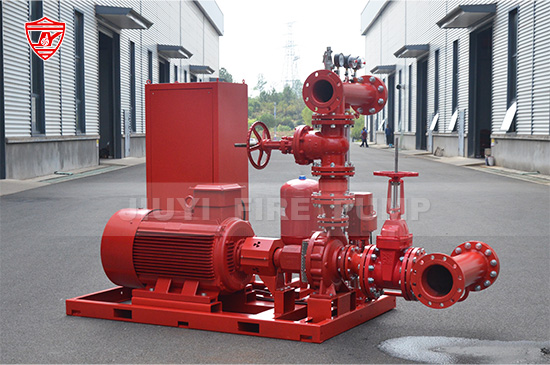
Regular maintenance and proper troubleshooting techniques are vital to ensure that fire pumps operate reliably when needed. By understanding and addressing the common issues mentioned above, you can extend the lifespan of your fire pump system and avoid costly repairs. Always consult a professional fire pump technician if you're unsure about any repairs or troubleshooting steps.
Remember, fire pumps are critical in emergency situations. Keeping your equipment in top condition through regular inspection and maintenance will ensure the safety and effectiveness of your fire protection system.

.jpg)