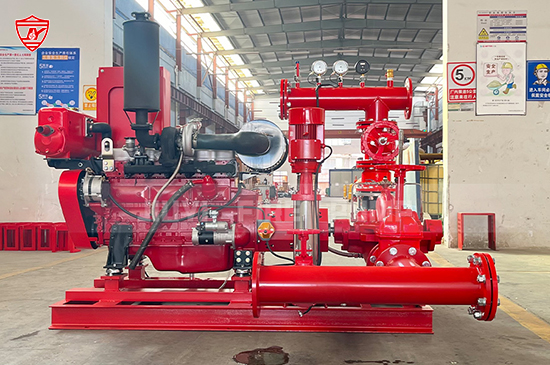
In the critical world of fire safety, ensuring that fire pumps are always operational is a top priority. Fire pumps are essential for providing water pressure to sprinkler systems, hydrants, and other fire protection mechanisms. A malfunctioning pump during a fire can lead to catastrophic consequences. This is where preventative maintenance (PM) plays a crucial role in guaranteeing that your fire pump systems are reliable and ready to perform when needed most.
This article will explore how preventative maintenance can significantly improve fire pump reliability and reduce the risk of costly failures. We’ll dive into the best practices, key components to inspect, and why regular maintenance is an investment that pays off by enhancing fire pump efficiency and longevity.
The Importance of Preventative Maintenance for Fire Pumps
Fire pumps, like any other mechanical equipment, experience wear and tear over time. Without routine care, the risk of malfunction increases, putting your entire fire protection system at risk. Preventative maintenance helps avoid emergency repairs, increases the longevity of the pump, and ensures it is functioning properly in the event of a fire.
Preventative maintenance typically involves scheduled inspections, cleaning, lubricating, and testing to identify potential problems before they turn into costly failures. It’s not just about fixing problems—it’s about making sure problems never arise.
By implementing a preventative maintenance program, fire pump systems can experience reduced downtime, increased reliability, and optimized performance, which are all critical factors in fire safety.
Key Components of Fire Pumps That Need Regular Maintenance
- Pump Motor
The pump motor is the heart of your fire pump system. If the motor fails, the pump cannot operate. Regular checks on the motor’s electrical components, connections, and wiring are essential. The motor should be lubricated regularly, and its bearings should be checked for any signs of wear or overheating.
- Pump Impeller
The impeller is the rotating part of the pump responsible for moving water. Over time, impellers can wear out due to the pressure and the corrosive nature of water. Regular inspection for cracks, corrosion, or debris buildup is crucial. Any damage to the impeller can affect the efficiency of the pump.
- Pump Valves
Valves control the flow of water in and out of the pump. These need to be tested for any leaks, rust, or wear. If valves become stuck or fail to close, they can prevent the pump from working correctly, resulting in loss of pressure and a failure to deliver water during an emergency.
- Pressure Switches and Gauges
Pressure switches and gauges help monitor the system’s water pressure. If the pressure readings are off, it could indicate a problem within the pump. Inspecting these components regularly ensures that the pump operates within the correct pressure range, and that the fire protection system will function as designed.
- Pump Shaft
The pump shaft transmits power from the motor to the impeller. It is exposed to significant stress and should be inspected for cracks, bends, and misalignments. A damaged shaft can cause the pump to malfunction or fail entirely.
- Fire Pump Controller
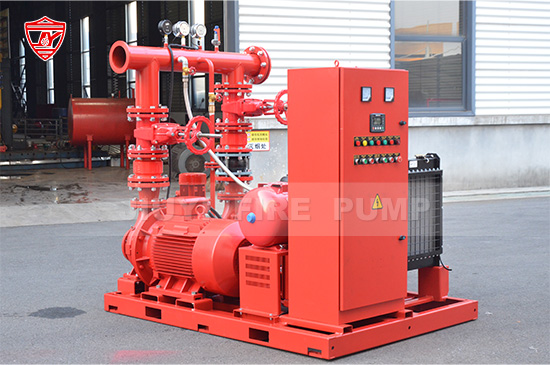
The controller governs the activation and operation of the pump. Ensure that all electrical connections are intact, and check for signs of overheating or corrosion. Proper calibration and testing are essential to ensure that the controller activates the pump correctly in an emergency situation.
- System Piping
The pipes that transport water to and from the pump system should be checked for leaks, clogs, or corrosion. Blockages can cause pressure problems, and leaks can waste water and reduce system efficiency. Routine checks will prevent these issues from escalating.
Best Practices for Preventative Maintenance
- Establish a Regular Maintenance Schedule
A well-organized schedule ensures that all fire pump components are inspected, cleaned, and tested on time. The frequency of maintenance depends on the specific system and local regulations, but most systems require inspection at least once a year, with more frequent checks for high-use systems.
- Document All Maintenance Activities
Proper documentation of all maintenance activities helps track the performance of the system over time. Record each inspection, including the components tested, the results, and any actions taken. This documentation is essential for compliance with local fire safety regulations and may also be required for insurance purposes.
- Perform Functional Testing
Functional testing involves running the pump under normal operating conditions to verify that it operates as expected. This includes testing the pump’s ability to reach and maintain the required pressure, activating the system from the fire pump controller, and ensuring that all connected components function correctly.
- Lubricate Moving Parts
Regular lubrication of moving parts such as bearings, the shaft, and impeller can reduce friction and prevent wear. Lack of lubrication can lead to overheating and mechanical failure. Use the manufacturer’s recommended lubricant for the best results.
- Check for Leaks
One of the most common issues that arise in fire pump systems is leaks in the pump, valves, or pipes. Leaks can lead to a loss of pressure, which can result in pump failure. Regular checks for leaks will prevent this from happening.
- Clean the System
Debris buildup in the system can impede the flow of water, which will reduce the efficiency of the fire pump. Regular cleaning of the pump, valves, and pipes will ensure that the system works efficiently. Remove any debris, rust, or buildup that could clog or damage components.
- Test Backup Power Systems
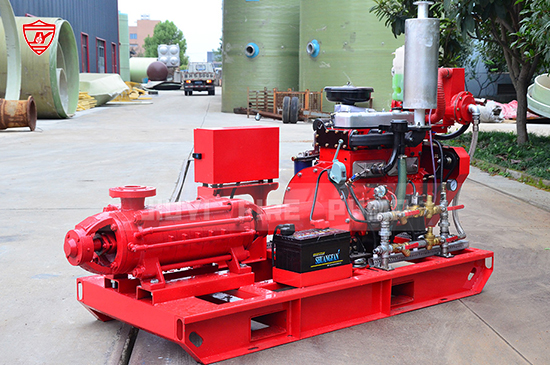
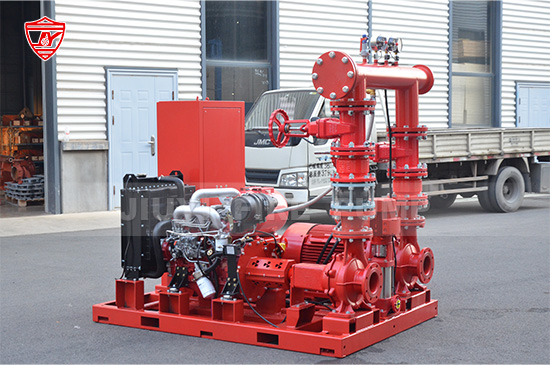
Fire pumps often rely on backup power systems, such as diesel engines or generators. Testing these backup power sources regularly is critical to ensure that they function properly when the main power supply is unavailable.
- Inspect Seals and Gaskets
Seals and gaskets play a vital role in preventing water leakage and maintaining pressure. Over time, they can degrade due to wear or exposure to harsh conditions. Regular inspection and replacement of seals and gaskets are necessary to avoid leaks.
The Benefits of Preventative Maintenance
- Increased Reliability
By addressing minor issues before they escalate into serious problems, you can ensure that your fire pump system remains reliable and operational at all times. A properly maintained pump will perform at its best, providing reliable water flow during a fire emergency.
- Cost Savings
Preventative maintenance can save significant amounts of money in the long run. By identifying and fixing small issues early, you can prevent expensive emergency repairs and replacements. Moreover, a well-maintained system will operate more efficiently, reducing energy consumption and operational costs.
- Extended Equipment Life
Just like any mechanical system, fire pumps benefit from proper care. Regular maintenance prolongs the lifespan of the pump and other system components, meaning fewer replacements and less waste over time.
- Compliance with Regulations
Many jurisdictions require fire pump systems to undergo regular inspections and maintenance. By performing regular preventative maintenance, you ensure that your system complies with local fire safety codes and regulations, preventing fines or penalties.
- Improved Safety
Preventative maintenance ensures that your fire pump system will function when it is needed most. This reduces the risk of failure during a fire, which can be life-threatening and catastrophic. Knowing that your system is well-maintained adds an additional layer of safety to your fire protection strategy.
Conclusion
The reliability of a fire pump system is crucial for fire safety. Preventative maintenance is the most effective way to ensure that fire pumps remain in optimal working condition and are ready to perform in an emergency. Regular inspections, cleaning, lubrication, and testing will help identify potential problems before they cause significant damage or failure.
Investing in preventative maintenance today not only enhances fire pump performance and reliability but also saves money in the long term, extends the lifespan of your equipment, and ensures compliance with safety regulations. By taking proactive steps to care for your fire pump system, you’re helping protect lives and property from the devastating effects of fire.