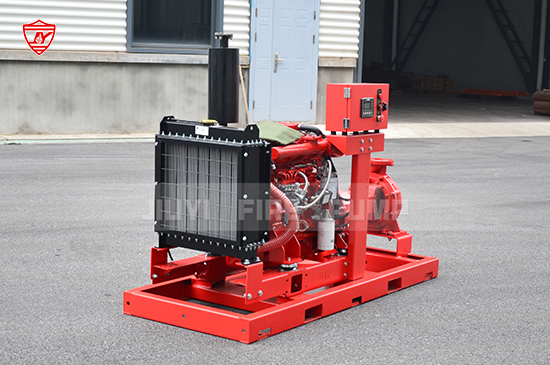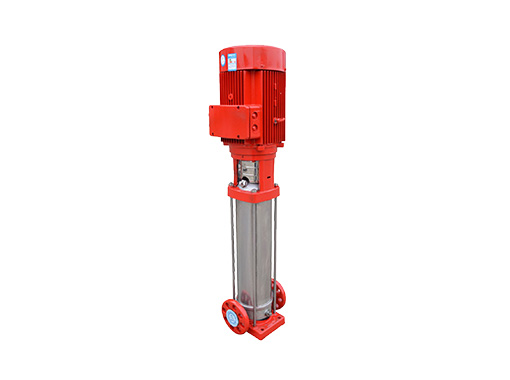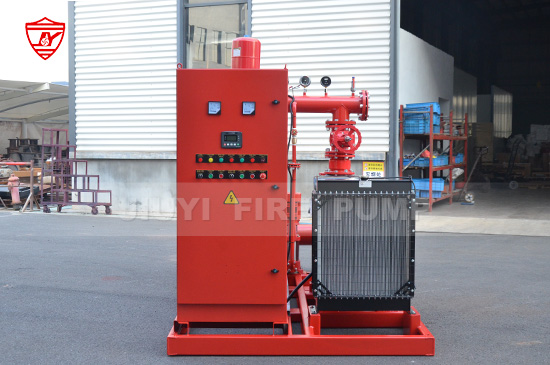
When designing and constructing a new building, one of the most crucial aspects to consider is the fire protection system. A fire pump is an essential component of these systems, ensuring water is supplied at the required pressure to suppress fires effectively. Proper installation of a fire pump not only enhances safety but also complies with various fire safety standards. In this article, we will discuss how to correctly install a fire pump in a new construction project, ensuring compliance with national codes and delivering reliable fire protection.
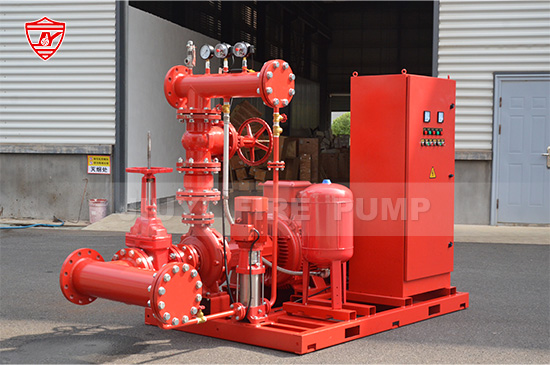
A fire pump serves as the primary source of water pressure for fire sprinkler systems, standpipe systems, and other water-based fire protection systems. In buildings with inadequate municipal water pressure or in high-rise buildings, fire pumps ensure that the required water flow and pressure are available to suppress a fire.
Properly installing a fire pump is critical for ensuring that the system operates as intended during an emergency. Faulty installation can lead to delays in the pump’s operation, inadequate water pressure, or complete failure during a fire, putting lives and property at risk.
The first step in the installation process begins with careful planning and system design. Fire pump systems must be designed based on the specific needs of the building, including the size, type of building, and the fire protection requirements. Collaboration with fire protection engineers and the local fire department ensures the system is designed to meet both local codes and safety standards.
Key considerations during the design phase include:
Selecting the correct location for the fire pump is crucial to ensure proper operation. The pump should be installed in a dry, accessible, and well-ventilated area. Ideally, it should be located close to the water supply and the fire protection system's distribution point.
Consider the following when selecting a location:
A sturdy foundation is essential for a fire pump’s long-term reliability. The foundation should be designed to support the pump’s weight and minimize vibration. For diesel engine-driven pumps, the foundation must also accommodate the engine and its associated components.
Steps to install the foundation include:
Once the pump and foundation are in place, the next step is plumbing the system. The fire pump must be connected to the water supply, the fire protection system, and the power source.
Depending on the type of fire pump you are installing, you will need to ensure that the electrical or diesel engine setup is properly configured.
After the installation is complete, it is crucial to thoroughly test the fire pump to ensure it functions properly. Testing should include:
During the commissioning phase, ensure that all components are properly calibrated, and all system controls are functioning correctly.
Once the fire pump system is installed and commissioned, it’s essential to train the building’s maintenance personnel on its operation and routine maintenance procedures. Additionally, thorough documentation should be provided, including system drawings, maintenance manuals, and inspection schedules.
It’s critical to comply with local, state, and national fire protection codes when installing a fire pump. Standards such as the National Fire Protection Association (NFPA) 20 standard provide specific guidelines for the installation, operation, and maintenance of fire pumps. Ensuring compliance not only helps protect lives but also prevents legal issues and fines.
Some of the key standards to follow include:
Even after installation, fire pumps require regular maintenance and testing to ensure they are always ready to function in the event of a fire. Routine inspections include checking the water supply, verifying the pump’s operation, and testing the pressure settings.
Key maintenance tasks include:
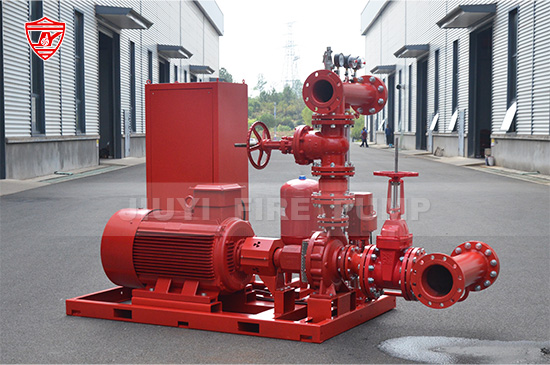
Installing a fire pump in a new construction project is a critical step in ensuring the building’s safety in the event of a fire. By following a proper installation process, ensuring compliance with fire safety codes, and conducting regular maintenance, you can guarantee that the fire protection system functions effectively when it is needed most. Collaborating with fire protection engineers and staying up-to-date with the latest fire safety standards will ensure the success of your fire pump installation and contribute to overall fire safety in your building.