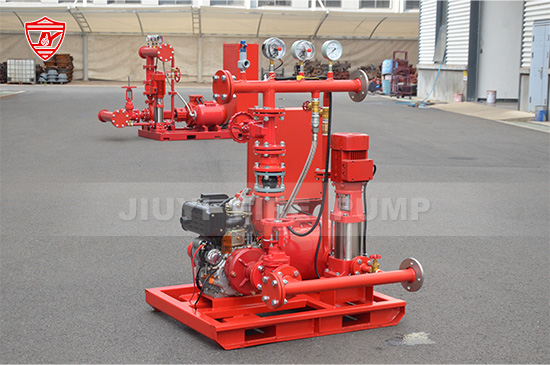
A fire pump that will not start is a serious issue because the pump is a critical part of many fire protection systems. Whether the system uses an electric fire pump, diesel fire pump, or jockey pump, a failure to start can prevent the system from delivering the required water flow and pressure during a fire emergency.
When a fire pump does not start as expected, the problem may come from the power supply, controller, pressure-sensing system, motor, batteries, diesel engine, wiring, or mechanical components. A systematic troubleshooting process can help identify the source of the problem without unnecessarily replacing components.
This guide explains the most common causes of a fire pump that will not start and provides a practical troubleshooting approach for fire safety professionals, contractors, maintenance teams, and facility operators.
.jpg)
A fire pump can fail to start for several different reasons. The first step is to determine whether the pump is designed to start automatically, manually, or both.
For an automatic fire pump system, the controller normally receives a start signal when system pressure falls below a predetermined setting. If pressure does not fall sufficiently, the controller may not receive the signal required to start the pump.
Other common causes include:
The troubleshooting process should therefore begin with the simplest and safest checks before moving to more detailed electrical or mechanical inspections.
The fire pump controller is one of the first components to inspect when a pump will not start.
Check the controller display for alarms, fault indications, warning lights, or abnormal status messages. Depending on the controller design, the display may indicate problems such as phase failure, low voltage, locked rotor, battery failure, engine overspeed, or other conditions.
For an electric fire pump, verify that the controller indicates that the power supply is available. For a diesel fire pump, check the controller for battery, charger, engine, and fuel-related alarms.
The controller should also be checked for its operating mode. If the controller is in an inappropriate operating condition, the automatic starting function may not operate as expected.
Do not bypass controller safety functions simply to force the pump to operate. Any troubleshooting or adjustment should follow the manufacturer's instructions and the applicable fire protection requirements.
A lack of electrical power is one of the most obvious causes of an electric fire pump failing to start.
Check whether the incoming power supply is available and whether the voltage is within the equipment's specified operating range. Electrical systems should also be checked for phase loss, incorrect phase conditions, loose connections, or other supply abnormalities.
Circuit protection devices should be inspected for signs of a trip or fault. However, repeatedly resetting a protection device without determining why it operated can create additional risks.
For three-phase electric fire pumps, all phases should be verified rather than checking only one phase. An abnormal condition on one phase may prevent the motor from operating correctly.
Electrical troubleshooting should be performed by appropriately qualified personnel because fire pump systems involve high electrical currents and potentially hazardous voltages.
Automatic fire pump starting is closely related to system pressure.
A fire protection system normally maintains a specified pressure range. When pressure drops to the fire pump starting point, the controller should receive the appropriate signal and initiate the starting sequence.
If the pressure-sensing line, pressure switch, or pressure transducer is malfunctioning, the controller may not recognize that the pump needs to start.
Check:
A closed isolation valve or blocked sensing line can prevent the pressure signal from reaching the sensing device correctly.
It is important not to change pressure settings simply to make the pump start. Starting pressures should be established according to the system design and applicable requirements.
The jockey pump can also affect how a fire pump behaves.
A jockey pump is designed to maintain system pressure during small pressure losses and help prevent unnecessary starting of the main fire pump.
If the jockey pump is not maintaining pressure correctly, the system may experience abnormal pressure conditions. Conversely, if the system pressure remains above the main fire pump's starting point, the main pump may not receive a start signal.
Check whether the jockey pump starts and stops correctly and whether the system pressure changes as expected.
A continuously running jockey pump, frequent jockey pump cycling, or unexpected pressure loss may indicate leakage or another issue within the fire protection system.
If the controller is receiving a valid start command but the electric fire pump does not operate, the motor and its associated components should be investigated.
Possible causes include:
The motor should not be repeatedly started if abnormal noise, burning smell, excessive vibration, or other unusual conditions are present.
A qualified technician can perform appropriate electrical and mechanical tests to determine whether the motor is receiving the correct supply and whether the motor can operate normally.
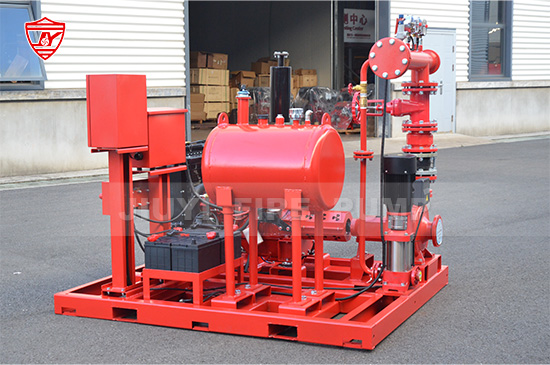
Diesel fire pumps have additional starting components compared with electric fire pumps. When a diesel engine fire pump will not start, the troubleshooting process should include the batteries, battery charger, fuel system, starting circuit, engine controls, and engine itself.
Start by checking the battery condition and charger status. A weak or discharged battery can prevent the engine from reaching the required cranking speed.
For systems equipped with two starting batteries, both battery circuits should be checked according to the manufacturer's requirements.
Other items to inspect include:
If the starter operates but the engine does not run, the problem may be related to fuel delivery, air supply, engine controls, or another engine-related condition.
Diesel engine troubleshooting should follow the engine manufacturer's procedures and the requirements applicable to the fire pump installation.
A fire pump may receive a valid start signal but still fail to operate because of a mechanical problem.
The pump shaft, coupling, bearings, impeller, and other rotating components should be inspected according to the manufacturer's maintenance procedures.
Potential mechanical issues include:
The pump should never be disassembled while energized or while the system presents a safety hazard. Mechanical inspection should be performed using appropriate isolation and safety procedures.
For vertical turbine fire pumps and other long-shaft configurations, additional attention may be required for the drive shaft, line shaft bearings, lubrication, alignment, and driver connection.
If the fire pump appears to have power but does not start automatically, review the complete starting sequence.
A typical troubleshooting sequence is:
This sequence helps isolate the problem instead of replacing multiple components unnecessarily.
For example, if the controller does not receive a pressure signal, the problem is likely upstream of the motor. If the controller receives the signal but does not issue a start command, the controller or its configuration may require investigation. If the controller issues the command but the driver does not operate, the electrical or engine starting system should be examined.
Modern fire pump controllers can provide valuable information through alarm histories and fault records.
Before clearing an alarm, record the information displayed by the controller. The sequence of alarms can help identify the initial fault.
For example, a low-voltage alarm followed by a motor-related fault may indicate a power supply problem rather than a motor failure.
Similarly, a diesel pump controller showing battery-related alarms should lead the technician toward the battery and charger system before investigating more complex engine components.
Keeping records of recurring alarms can also help identify developing problems before they result in a complete failure to start.
If the basic checks do not identify the problem, the system should be inspected by qualified personnel with appropriate knowledge of fire pump systems.
Avoid making undocumented modifications to controller settings, pressure switches, wiring, engine controls, or other safety-critical components.
The troubleshooting process should document:
This information can significantly reduce diagnostic time and help identify whether the issue is electrical, hydraulic, mechanical, or control-related.
Troubleshooting is important, but preventive maintenance is equally important for fire protection systems.
Regular inspections and testing can identify deteriorating batteries, abnormal pressure conditions, controller alarms, electrical problems, fuel system issues, and mechanical wear before they become emergency failures.
Maintenance should follow the fire pump manufacturer's instructions and the requirements applicable to the specific installation.
A properly maintained fire pump system should also have clear operating procedures, documented test results, accessible equipment, and trained personnel who understand the meaning of controller alarms and system pressure changes.
.jpg)
When a fire pump will not start, the cause is not always the pump itself. The problem may originate from the power supply, controller, pressure-sensing system, jockey pump, motor, diesel engine, battery, wiring, or mechanical components.
A structured troubleshooting process helps identify the problem efficiently. Start with the controller and system status, verify the pressure start signal, check the power or starting system, and then move toward the motor, diesel engine, and mechanical components as required.
For fire safety systems, reliable starting performance is essential. Selecting a properly engineered fire pump, installing it correctly, testing it regularly, and maintaining every part of the system can help ensure that the pump is ready to perform when it is needed most.
As a fire pump manufacturer, BETTER Technology Group supports fire protection projects with electric fire pumps, diesel fire pumps, jockey pumps, fire pump sets, and related equipment designed for different project requirements. Understanding common starting problems can help engineers, contractors, and facility teams maintain more reliable fire protection systems and respond more effectively when abnormal conditions occur.
.jpg)