Upgrading a fire pump system in an existing building is far more complex than designing one for new construction. Limited space, aging infrastructure, evolving fire codes, and uninterrupted building operation all create challenges that must be carefully managed. A poorly planned fire pump upgrade can lead to compliance failures, operational downtime, or costly rework.
This article provides a practical, step-by-step approach to planning fire pump system upgrades in existing buildings, helping owners, engineers, and contractors make informed decisions while ensuring long-term fire protection reliability.
Many existing buildings operate fire pump systems that were installed decades ago. Over time, several factors can make an upgrade unavoidable.
Fire codes and standards are frequently updated, and systems designed under older editions may no longer comply with current requirements. Building expansions, changes in occupancy type, or increased hazard classifications often demand higher flow rates or pressures than the original system can deliver. In addition, aging fire pumps, controllers, and drivers suffer from efficiency loss, reliability issues, and difficulty sourcing spare parts.
In some cases, insurance providers or authorities having jurisdiction require system upgrades after inspections reveal deficiencies. Planning ahead allows these upgrades to be implemented strategically rather than reactively.
The first step in any fire pump upgrade project is a detailed evaluation of the existing system. This assessment should include the fire pump unit, driver, controller, power supply, suction and discharge piping, valves, and auxiliary components.
Performance testing is essential. Flow and pressure test results should be compared with the current building fire protection demand, not just the original design criteria. It is common to find that an existing fire pump technically still runs but can no longer meet today’s required performance curve.
Documentation review is equally important. Original drawings, pump curves, test records, and maintenance logs help identify limitations and recurring issues. Where documentation is missing, on-site verification becomes even more critical.
Fire pump upgrades in existing buildings must comply with the latest applicable fire codes and standards, most commonly NFPA 20. However, local amendments, insurance guidelines, and project-specific requirements may also apply.
One common mistake is assuming that partial upgrades can follow older code editions. In many jurisdictions, once a fire pump is replaced or significantly modified, the entire system must comply with current standards. This may affect pump room layout, controller type, driver selection, and even structural or ventilation requirements.
Early coordination with local authorities having jurisdiction helps avoid surprises during inspection and approval stages.
Existing buildings often change over time. Additional floors, tenant modifications, new storage layouts, or changes in use can significantly alter fire protection demand.
A hydraulic recalculation of the sprinkler or standpipe system should be performed to determine the required fire pump flow and pressure. This step ensures that the upgraded fire pump system is neither undersized nor excessively oversized.
Accurate demand calculations also influence driver selection, power supply capacity, and fuel storage requirements. Skipping this step is one of the most common causes of fire pump upgrade failure.
Space limitations are a defining challenge in existing building fire pump upgrades. Older pump rooms were often designed around specific equipment dimensions that may not match modern fire pump packages.
Clearances required by current standards must be carefully checked, including access for maintenance, controller working space, and pipe routing. In some cases, structural modifications or reconfiguration of adjacent rooms may be necessary.
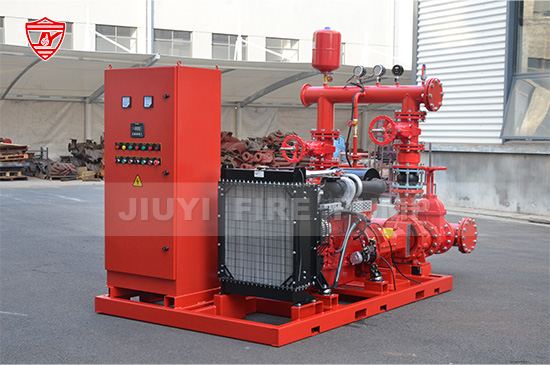
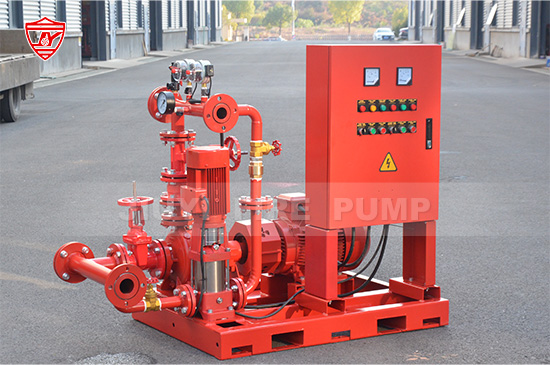
When space is extremely limited, vertical turbine fire pumps or split-case pumps with compact footprints may offer viable solutions. Planning for equipment delivery, removal of old pumps, and installation access is equally important, especially in occupied buildings.
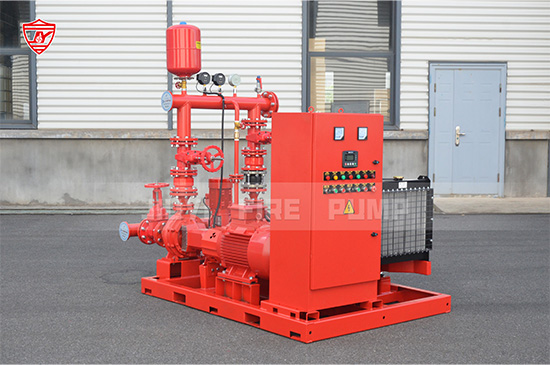
The reliability of the fire pump driver is critical, particularly in existing buildings with aging electrical infrastructure. An electric fire pump upgrade may require electrical system reinforcement, transformer upgrades, or new emergency power arrangements.
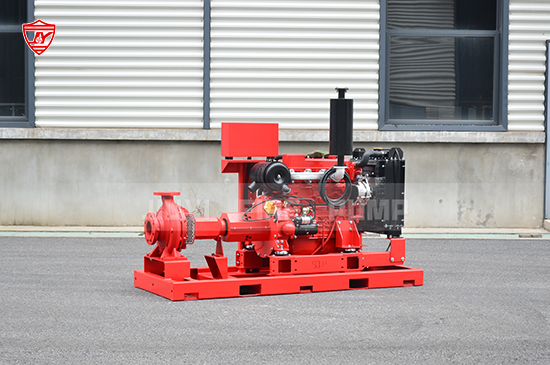
If the existing power supply cannot reliably support an electric fire pump, a diesel engine fire pump may be considered. However, diesel upgrades introduce additional considerations such as fuel storage, ventilation, exhaust routing, and environmental regulations.
In some projects, replacing an older diesel fire pump with a modern, more efficient diesel unit improves reliability while reducing maintenance and fuel consumption. Each option should be evaluated based on site conditions, operational risks, and long-term costs.
One of the most critical aspects of upgrading a fire pump system in an existing building is maintaining fire protection during construction. Many buildings cannot afford extended downtime, especially hospitals, data centers, industrial facilities, and high-occupancy properties.
Temporary fire protection measures may be required, such as installing a temporary fire pump, scheduling phased shutdowns, or performing work during off-hours. These measures must be coordinated with building management, insurers, and authorities.
A detailed installation sequence plan reduces risk and ensures that fire protection coverage is never compromised.
Choosing the right fire pump for an upgrade project involves more than matching flow and pressure. Reliability, ease of maintenance, availability of spare parts, and long-term operational stability should all be considered.
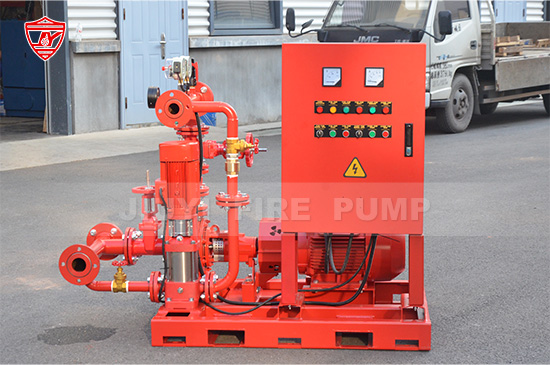
UL listed fire pump assemblies designed for retrofit applications often simplify approval and inspection processes. Integrated fire pump packages can reduce installation time and minimize coordination issues between different equipment suppliers.
From a lifecycle perspective, modern fire pumps offer improved efficiency, lower vibration, and better monitoring capabilities, making them well suited for upgrade projects in existing buildings.
Installation in an existing building environment requires precise coordination between mechanical, electrical, and civil teams. Pipe alignment, foundation modifications, controller wiring, and fuel or power connections must all be carefully sequenced.
Once installation is complete, acceptance testing is critical. Flow tests, pressure verification, controller operation, and alarm integration must be documented according to code requirements.
Any deficiencies discovered during testing should be corrected immediately to avoid approval delays or future operational issues.
A fire pump system upgrade is not complete without proper documentation. Updated drawings, pump curves, test results, and operation manuals should be compiled and handed over to the building owner or facility manager.
Maintenance procedures should be reviewed and adjusted to match the new equipment. Training for on-site personnel helps ensure proper operation and routine testing, extending the life of the upgraded fire pump system.
Clear documentation also simplifies future inspections, audits, and potential expansions.
Many upgrade projects encounter problems due to avoidable mistakes. Underestimating space requirements, ignoring current code changes, or failing to verify actual system demand can all lead to costly revisions.
Another frequent issue is focusing only on the fire pump itself while neglecting supporting components such as controllers, valves, and power supply systems. A fire pump upgrade should always be approached as a complete system upgrade, not just equipment replacement.
Planning a fire pump system upgrade in an existing building requires a careful balance between compliance, practicality, and long-term reliability. By conducting a thorough assessment, verifying current requirements, recalculating demand, and addressing site-specific constraints early in the process, stakeholders can avoid common pitfalls and ensure a successful upgrade.
A well-planned fire pump upgrade not only meets today’s fire safety standards but also provides dependable protection for decades to come, safeguarding both property and lives in existing buildings.