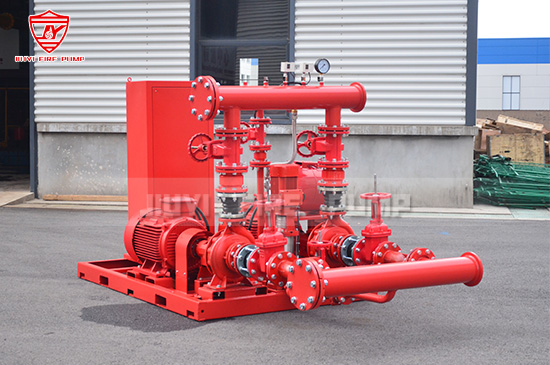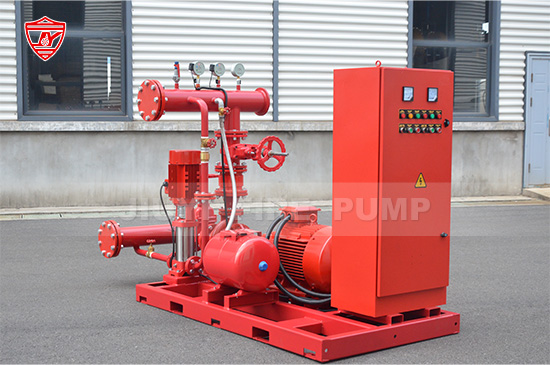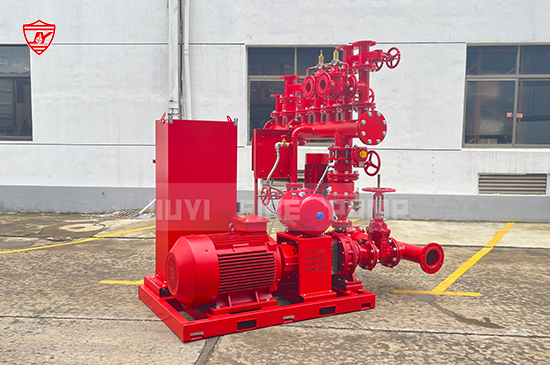
Fire pumps are designed to operate reliably under emergency conditions, delivering water when it matters most. However, one of the most misunderstood and frequently overlooked operating conditions in fire pump systems is partial flow operation. In real-world installations, fire pumps rarely operate at rated flow during normal conditions. Instead, they often run at low or partial flow during testing, system pressure maintenance, or early stages of a fire event.
If not properly addressed, partial flow operation can lead to overheating, internal damage, reduced efficiency, and even premature failure of the fire pump. Ensuring stable and safe performance under partial flow is therefore critical for system reliability, compliance, and long-term equipment protection.
This article explains what partial flow means for fire pumps, why it creates risks, and how to ensure safe and reliable performance through correct design, component selection, and operational practices.
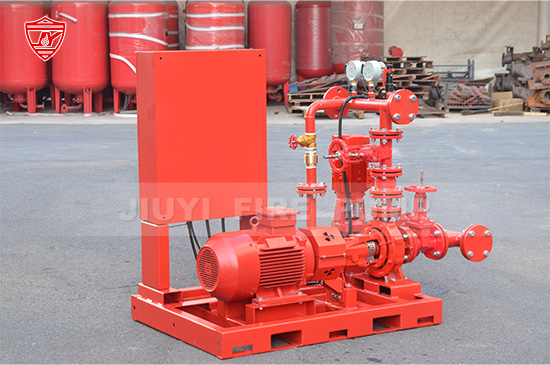
Partial flow refers to operating conditions where the fire pump is running at a flow rate significantly below its rated capacity. This typically occurs when only a small demand exists in the system, such as:
Weekly or monthly fire pump testing
Pressure maintenance before full fire demand
Small system leakage compensated by the pump
Initial pump start before multiple zones open
During these conditions, the pump may operate far from its best efficiency point. Unlike normal water supply pumps, fire pumps are not designed for continuous low-flow operation without proper safeguards.
When a fire pump operates at low flow or near zero flow, several physical and hydraulic issues arise inside the pump.
First, energy added by the impeller is not converted into useful flow. Instead, it becomes heat. This causes rapid temperature rise inside the pump casing.
Second, recirculation occurs at the impeller eye and discharge. Water circulates internally instead of moving through the system, leading to turbulence, vibration, and erosion.
Third, seals, bearings, and wear rings experience abnormal thermal stress. Over time, this degrades clearances, lubrication, and alignment.
If left unaddressed, partial flow operation can result in casing distortion, seal failure, reduced pump life, and in extreme cases, pump seizure.
NFPA 20 recognizes the risks associated with low-flow operation and addresses them through minimum flow requirements. According to standard practice, fire pumps must be protected against overheating when operating at churn or near churn conditions.
The standard requires that a minimum flow be provided when the pump operates without sufficient system demand. This flow must be adequate to prevent excessive temperature rise and internal damage.
Understanding and applying these requirements correctly is essential to ensure compliance and long-term system reliability.
Minimum flow is the amount of water that must pass through the pump to safely dissipate heat during low demand operation. The required minimum flow depends on pump type, capacity, speed, and construction.
For centrifugal fire pumps, the minimum flow is often expressed as a percentage of rated flow. While exact values depend on standards and manufacturer guidance, the principle remains consistent: the pump must never operate at zero flow for extended periods.
Manufacturers typically specify minimum flow values based on factory testing and thermal analysis. Following manufacturer recommendations is critical, as they account for internal hydraulic design and material limits.
One of the most effective ways to ensure safe partial flow operation is the use of a circulation relief valve. This valve automatically opens when discharge pressure rises due to low flow conditions, allowing water to circulate safely.
By discharging a small amount of water, the circulation relief valve prevents temperature buildup inside the pump casing. It also stabilizes internal flow patterns and reduces stress on pump components.
Correct sizing and setting of the circulation relief valve is essential. If undersized, it may not provide sufficient cooling. If oversized or incorrectly set, it may cause unnecessary water loss or pressure instability.
In some fire pump systems, a dedicated bypass line is used to provide minimum flow. This line routes water from the pump discharge back to the water source or to a safe drain point.
A properly designed bypass system ensures continuous flow during low demand operation while maintaining system pressure. It is especially useful in large-capacity pumps or high-pressure systems where heat buildup can occur rapidly.
The bypass line must be designed to handle the required flow rate and temperature without causing backpressure or operational conflicts.
Test headers are commonly used for fire pump acceptance testing and routine inspections. However, they also play a role in managing partial flow conditions during testing.
When a pump is tested at churn or near churn, opening the test header allows controlled flow through the pump, preventing overheating. Operators should avoid prolonged zero-flow operation during tests and ensure sufficient water is discharged.
Clear operating procedures and trained personnel are essential to ensure test headers are used correctly and safely.
Electric fire pumps and diesel engine fire pumps respond differently to partial flow conditions.
Electric fire pumps can continue running indefinitely if power is available, increasing the risk of prolonged overheating at low flow. This makes minimum flow protection especially critical.
Diesel fire pumps may shut down due to engine temperature limits or fuel constraints, but they are still susceptible to pump-side overheating. Cooling systems must be properly designed and maintained to handle low-flow operation.
Understanding these differences helps designers and operators apply appropriate protection strategies.
Vertical turbine fire pumps present unique challenges under partial flow conditions. Their bowl assemblies are submerged, and internal recirculation can lead to localized heating and hydraulic instability.
Ensuring adequate submergence, correct bowl design, and proper minimum flow paths is essential. Inadequate protection can lead to vibration, thrust issues, and premature wear of column bearings.
Manufacturer guidance is particularly important for vertical turbine applications due to their complex hydraulic behavior.
Modern fire pump systems increasingly incorporate monitoring devices to track temperature, pressure, and operating time. These indicators provide early warning of unsafe partial flow conditions.
Temperature sensors on pump casings or discharge piping can alert operators before damage occurs. Pressure trends can indicate abnormal operating points or stuck valves.
While monitoring does not replace proper system design, it significantly improves operational safety and maintenance planning.
Routine inspection and maintenance play a key role in ensuring safe performance under partial flow. Key practices include:
Verifying circulation relief valve operation
Inspecting bypass lines for blockages
Checking seal condition and alignment
Reviewing test records for extended low-flow operation
Maintenance teams should understand the risks of partial flow and follow clear procedures during testing and inspections.
Ensuring fire pump performance under partial flow is a shared responsibility between system designers, installers, operators, and manufacturers.
Manufacturers provide pump-specific minimum flow data and recommended protection methods. Designers integrate these requirements into the system layout. Installers ensure correct assembly and settings. Operators follow proper procedures during testing and emergencies.
Close collaboration among all parties results in safer, more reliable fire pump systems.
Fire pumps that are properly protected during partial flow operation experience significantly longer service life, reduced maintenance costs, and higher reliability during emergencies.
By preventing overheating and internal damage, systems remain compliant with standards and ready to perform when full demand occurs. This directly supports life safety, property protection, and regulatory confidence.
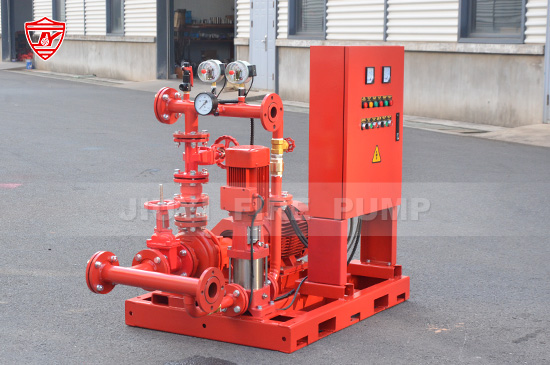
Partial flow operation is an unavoidable reality in fire pump systems, but it does not have to be a risk. By understanding the causes of low-flow conditions and implementing proper design and protection measures, fire pump performance can be maintained safely and reliably.