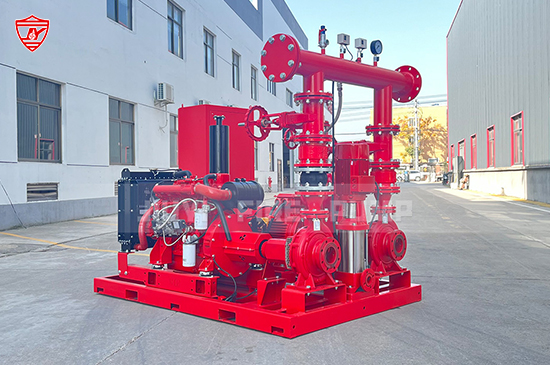
A fire pump system is one of the most important components of a building's fire protection infrastructure. During a fire emergency, it must deliver sufficient water flow and pressure to sprinkler systems, standpipes, hydrants, and other firefighting equipment. Unlike ordinary water pumps, fire pumps are designed for emergency operation, meaning their reliability must be maintained even when they remain inactive for extended periods.
However, installing a high-quality fire pump system is only the first step. Regular inspection, testing, and preventive maintenance are essential to ensure that the system remains ready to operate when needed. Neglecting maintenance can lead to mechanical failures, reduced pump performance, electrical problems, or even complete system failure during an emergency.
Whether a facility uses an electric fire pump, diesel engine-driven fire pump, or a complete electric-diesel-jockey pump set, a structured maintenance program helps extend equipment service life, reduce unexpected downtime, and maintain consistent operating performance.
In this article, we will explore the essential maintenance practices, inspection procedures, testing requirements, and common problems that facility managers and fire protection professionals should understand to maintain a fire pump system for long-term reliability.
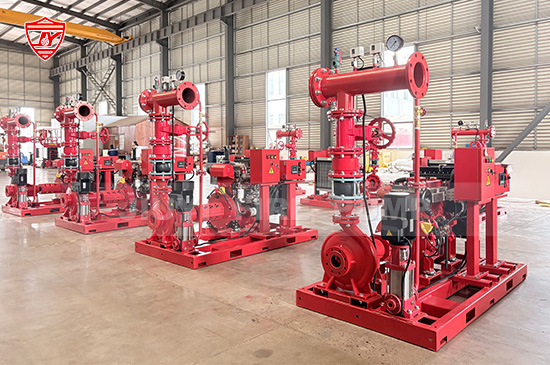
Before developing a maintenance plan, it is important to understand the main components of a fire pump system. Each component performs a specific function, and a failure in one part can affect the performance of the entire system.
A typical fire pump package includes the following equipment:
Fire Pump: The main pump generates the required water flow and pressure for the fire protection system. Common types include end suction pumps, split case pumps, and vertical turbine pumps.
Electric Motor or Diesel Engine: The driver provides the mechanical power required to operate the fire pump. Electric motors depend on a reliable power supply, while diesel engines require fuel, cooling, lubrication, and exhaust systems.
Fire Pump Controller: The controller monitors system pressure and manages automatic starting and stopping functions according to the applicable fire protection design and operating requirements.
Jockey Pump: A jockey pump maintains pressure in the fire protection piping system and compensates for small pressure losses, helping prevent unnecessary starts of the main fire pump.
Piping and Valves: Suction and discharge piping, isolation valves, check valves, and pressure relief devices help ensure proper water delivery and system protection.
Accessories and Monitoring Devices: Pressure gauges, flow meters, pressure switches, batteries, cooling systems, and alarm devices support safe operation and performance monitoring.
Understanding these components allows maintenance personnel to identify potential problems before they affect the entire fire pump system.
Routine inspections are the foundation of effective fire pump maintenance. A pump may appear to be in good condition while inactive, but hidden problems such as corrosion, battery deterioration, loose electrical connections, or blocked piping can prevent it from starting when required.
A consistent inspection schedule helps identify these issues early.
Daily or Weekly Inspections
Depending on applicable standards, manufacturer instructions, and facility requirements, routine inspections should include:
Check the pump room for cleanliness, adequate ventilation, and suitable environmental conditions.
Verify that the suction and discharge valves are in their required positions.
Check system pressure and compare readings with normal operating conditions.
Inspect the pump, motor, and piping for visible water or oil leakage.
Check the controller for warning lights, alarms, and abnormal indications.
Confirm that the power supply is available for electric fire pumps.
Check diesel engine fuel levels, oil levels, and cooling system conditions.
Ensure that access to the fire pump room and equipment remains unobstructed.
Monthly Inspections
Monthly inspections should focus on equipment condition and operational readiness.
Check electrical connections, battery terminals, diesel engine starting batteries, fuel system components, and visible mechanical connections. Inspect the pump foundation, mounting bolts, and coupling guards for signs of looseness or damage.
Pressure gauges should also be checked for unusual readings or signs of malfunction.
Inspection results should be documented to establish a maintenance history and identify changes in equipment condition over time.
Regular testing is essential because visual inspections alone cannot confirm that a fire pump can deliver its required performance.
A fire pump may start successfully but still fail to achieve its specified flow rate or pressure. Performance testing helps verify that the pump, driver, and associated equipment operate as intended.
No-Flow (Churn) Test
A no-flow test evaluates the operation of the fire pump without delivering water into the fire protection system. During this test, maintenance personnel observe operating pressure, vibration, temperature, leakage, and unusual noise.
For diesel engine-driven pumps, engine speed, oil pressure, cooling conditions, and other operating parameters should also be monitored.
Flow Test
A flow test evaluates the pump's ability to deliver water at different operating conditions. Common test points include:
No-flow condition.
Rated flow condition.
150% of rated flow, where applicable to the pump's listing and testing requirements.
The actual test procedure and acceptance criteria should follow the applicable NFPA 20, NFPA 25, manufacturer requirements, and the system's approved design.
Performance Comparison
Test results should be compared with the original factory acceptance test or established baseline performance curve.
A noticeable reduction in flow or pressure may indicate impeller wear, internal blockage, suction restrictions, air leakage, or other mechanical problems.
Maintaining historical performance records makes it easier to recognize gradual deterioration and arrange corrective maintenance before a serious failure occurs.
Electric fire pumps are widely used in commercial buildings, industrial facilities, warehouses, and other fire protection applications.
Their maintenance mainly focuses on the electric motor, power supply, controller, and mechanical pump components.
Check the Electrical Power Supply
The availability of a reliable power supply is essential for electric fire pump operation. Maintenance personnel should verify that the normal and alternate power arrangements, where provided, are functional.
Inspect electrical connections for looseness, overheating, corrosion, or insulation damage.
Inspect the Electric Motor
Motor bearings, cooling passages, ventilation openings, and external surfaces should be inspected regularly. Dust accumulation and poor ventilation can increase operating temperatures and affect motor service life.
Abnormal vibration, excessive noise, or overheating should be investigated promptly.
Inspect the Fire Pump Controller
The controller is responsible for monitoring system pressure and controlling the pump's starting sequence.
Check for abnormal alarms, damaged wiring, loose terminals, and signs of overheating. Verify that automatic starting functions operate correctly according to the manufacturer's instructions.
For UL Listed fire pump installations, maintenance and replacement procedures should preserve the approved equipment configuration and comply with applicable requirements.
Diesel engine-driven fire pumps are especially important in facilities where an independent power source is required or where electric power availability may be uncertain.
Compared with electric fire pumps, diesel-driven systems contain more auxiliary components that require regular attention.
Fuel System Maintenance
Fuel quality is essential for reliable engine starting and continuous operation. Check fuel levels, inspect fuel lines, and look for leakage or contamination.
Water accumulation, sediment, and microbial contamination can affect diesel fuel quality and cause problems with fuel filters and injectors.
Fuel storage and maintenance procedures should follow engine manufacturer recommendations and applicable fire protection standards.
Engine Oil and Lubrication
Check engine oil levels and inspect for leakage. Replace engine oil and filters according to the manufacturer's recommended service intervals.
Proper lubrication helps reduce friction, control operating temperatures, and protect internal engine components from premature wear.
Cooling System Inspection
Diesel fire pump engines may use heat exchangers or other approved cooling arrangements.
Inspect coolant levels, cooling water supply, hoses, connections, and heat exchanger conditions. Blocked cooling passages or inadequate cooling can cause engine overheating during operation.
Battery and Starting System
The starting batteries must remain ready to provide sufficient power for automatic engine starting.
Inspect battery condition, terminals, charging equipment, and electrical connections. Battery replacement should follow the manufacturer's recommendations and applicable maintenance requirements.
Exhaust and Ventilation
Proper ventilation is essential for diesel engine performance and heat management.
Inspect exhaust piping, silencers, ventilation openings, and engine room airflow. Ensure that exhaust gases are safely discharged and that the room can maintain suitable operating temperatures.
A comprehensive diesel engine maintenance program helps reduce starting failures and improves the reliability of the complete fire pump package.
Although the jockey pump is smaller than the main fire pump, it plays an important role in maintaining the pressure of the fire protection piping network.
Its primary function is to compensate for minor pressure losses caused by small leaks or normal system fluctuations.
If the jockey pump is not functioning correctly, the main fire pump may start unnecessarily, increasing equipment wear and reducing system readiness.
Maintenance personnel should:
Inspect the jockey pump for leakage, vibration, and unusual noise.
Check pressure switches and pressure sensors.
Verify the pump's automatic start and stop settings.
Inspect the electrical motor and controller.
Confirm that the pump maintains the intended system pressure.
Investigate frequent cycling or continuous operation.
Frequent jockey pump operation may indicate leakage in the fire protection piping system or incorrect pressure settings.
The jockey pump should be properly selected and configured so that it does not interfere with the intended operation of the main fire pump.
The performance of a fire pump system depends not only on the pump itself but also on the condition of the connected piping and accessories.
Even a mechanically sound pump cannot deliver the required water flow if the suction line is blocked or an isolation valve is incorrectly positioned.
Important inspection points include:
Suction Piping: Check for leakage, corrosion, air infiltration, and obstructions. Ensure that the suction supply is adequate and that strainers, where installed, are clean.
Discharge Piping: Inspect for corrosion, leakage, loose connections, and abnormal vibration during operation.
Isolation Valves: Confirm that valves are in their required operating positions and that their condition is suitable for reliable operation.
Check Valves: Inspect for leakage, sticking, or failure to prevent reverse flow.
Pressure Gauges: Verify that gauges provide reasonable and consistent readings. Replace damaged or unreliable instruments.
Pressure Relief Devices: Inspect and maintain these devices according to their design and manufacturer instructions.
A well-maintained piping network reduces unnecessary hydraulic resistance and helps the fire pump operate under its intended conditions.
One of the most effective ways to improve long-term reliability is to monitor equipment performance over time.
Changes in vibration, temperature, noise, pressure, and flow can provide early indications of mechanical or hydraulic problems.
Maintenance personnel should pay particular attention to the following warning signs:
Abnormal vibration: May indicate misalignment, worn bearings, loose foundations, or hydraulic problems.
Unusual noise: Could be caused by cavitation, air entering the pump, damaged bearings, or internal mechanical contact.
Reduced discharge pressure: May result from impeller wear, suction restrictions, incorrect rotation, or insufficient water supply.
Excessive temperature: May indicate inadequate lubrication, poor cooling, excessive friction, or operation outside the intended range.
Frequent pump starting: May be associated with system leakage, incorrect pressure settings, or jockey pump problems.
Water or oil leakage: Can indicate damaged seals, loose connections, or deterioration of mechanical components.
When abnormal conditions are identified, the equipment should be evaluated by qualified personnel. Problems should not be ignored simply because the pump can still start and operate.
Documentation is an important part of a professional fire pump maintenance program.
Without reliable records, it is difficult to determine whether equipment performance is improving, deteriorating, or remaining consistent.
A complete maintenance record should include:
Inspection dates and personnel responsible.
Pump operating hours and start records.
No-flow and flow test results.
Suction and discharge pressure readings.
Motor or diesel engine operating parameters.
Battery inspection and replacement history.
Lubrication and filter replacement records.
Identified problems and corrective actions.
Replaced components and maintenance activities.
Historical records also help facility managers plan maintenance budgets, identify recurring failures, and determine when major repairs or equipment replacement may be necessary.
For large industrial facilities and complex fire protection installations, digital maintenance management systems can improve record accessibility and support more effective equipment monitoring.
Fire pump maintenance should always follow the applicable fire protection standards, approved system design, and equipment manufacturer's instructions.
In many projects, NFPA 25 provides requirements for the inspection, testing, and maintenance of water-based fire protection systems. NFPA 20 addresses the installation of stationary fire pumps for fire protection.
These standards serve different purposes and should be considered together with local regulations and authority requirements.
For UL Listed fire pump equipment, maintenance procedures should also consider the listing conditions and the manufacturer's technical documentation.
It is important to understand that maintenance intervals and testing requirements can vary depending on the pump type, installation environment, equipment configuration, and applicable regulations.
Qualified fire protection professionals should perform maintenance and testing activities that require specialized technical knowledge.
Maintenance is essential, but equipment quality and system design also have a significant influence on long-term reliability.
Selecting a properly designed fire pump system can reduce operational risks and simplify future maintenance.
When selecting a fire pump package, consider the following factors:
Correct Hydraulic Selection: The pump should meet the required flow rate and pressure under the actual project operating conditions.
Reliable Driver Configuration: Electric motors and diesel engines should provide sufficient power for the specified pump operating conditions.
Suitable Pump Construction: Materials, mechanical seals, bearings, and internal components should be selected according to the application and operating environment.
Reliable Control System: The controller should provide appropriate monitoring, automatic starting, and protection functions.
Accessibility for Maintenance: The pump package should allow convenient access to key components, instruments, valves, and service points.
Factory Testing: Comprehensive factory inspection and performance testing help verify product quality before delivery.
As a fire pump manufacturer, BETTER Technology Group emphasizes the coordination of hydraulic performance, pump construction, driver selection, and control system integration. Through manufacturing process management and complete equipment testing, the company aims to provide reliable fire pump solutions for different project requirements.
From electric and diesel fire pumps to jockey pumps, split case pumps, vertical turbine pumps, and containerized fire pump units, selecting the appropriate system is an important step toward dependable long-term fire protection.
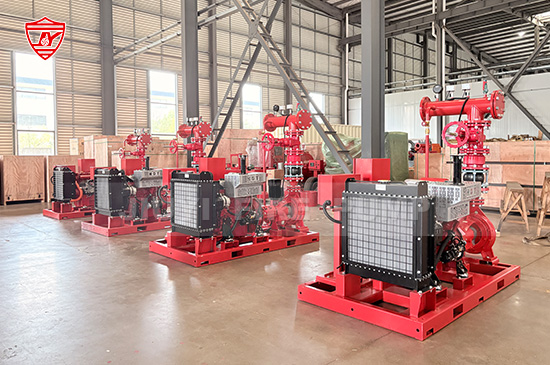
Maintaining a fire pump system for long-term reliability requires more than occasional equipment checks. It involves a comprehensive approach that combines regular inspections, scheduled testing, preventive maintenance, performance monitoring, and accurate documentation.
Electric motors, diesel engines, controllers, jockey pumps, piping, valves, and accessories must all be maintained as part of an integrated fire protection system.
By identifying early warning signs, following applicable standards, and working with qualified maintenance professionals, facility managers can reduce unexpected failures and help ensure that their fire pump systems remain ready for emergency operation.
At the same time, choosing high-quality fire pump equipment from an experienced manufacturer provides a strong foundation for long-term performance.
A reliable fire pump system is not simply a piece of equipment. It is a critical investment in property protection, operational continuity, and life safety. Regular maintenance ensures that this investment continues to deliver dependable protection when it matters most.