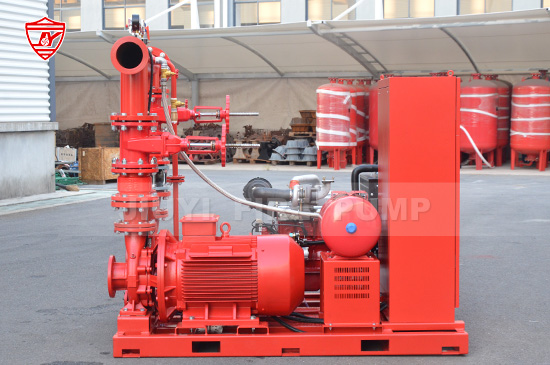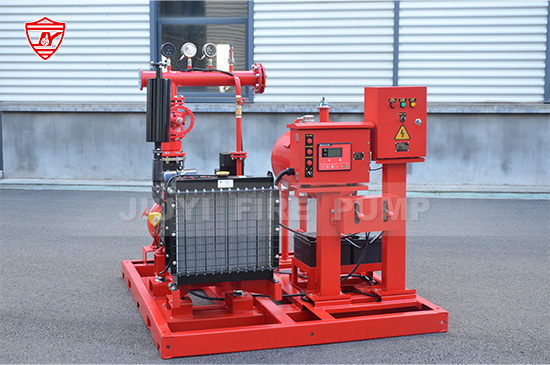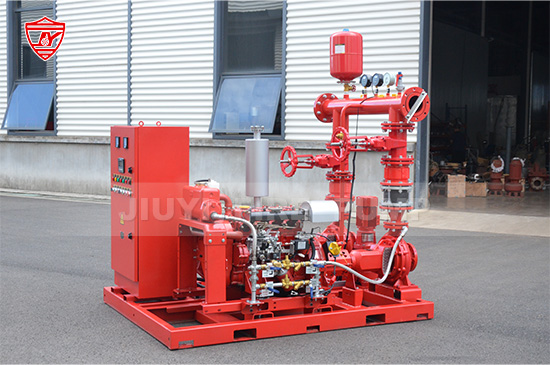
A diesel fire pump is one of the most important backup systems in a fire protection installation. When an emergency occurs, the diesel engine must start quickly and operate reliably for as long as the fire protection system requires. While much attention is often given to the pump, controller, batteries, and engine, the fuel system is equally critical.
A diesel engine cannot provide reliable emergency power if its fuel supply is contaminated, degraded, blocked, or improperly maintained. Problems such as water contamination, sediment, clogged filters, damaged fuel lines, air entering the system, or insufficient fuel can prevent the engine from starting or cause it to stop during operation.
For this reason, regular diesel fire pump fuel system maintenance should be an essential part of a facility's overall fire protection program. Proper preventive maintenance helps reduce the risk of engine failure, supports reliable fire pump operation, and allows potential problems to be identified before an emergency.
This article explains the key components of a diesel fire pump fuel system and provides practical guidance for inspection, maintenance, testing, and troubleshooting.
.jpg)
Before developing a maintenance program, it is important to understand the basic components of the fuel system.
A typical diesel fire pump fuel system may include a fuel tank, fuel supply and return piping, fuel filters, fuel pump, injectors, valves, fittings, and the diesel engine's internal fuel system. Depending on the installation, additional components may be used to monitor fuel level or manage fuel supply.
Each component has a specific role. The fuel tank stores the diesel fuel required for engine operation. Fuel lines deliver fuel to the engine, while filters remove contaminants that could damage sensitive engine components. The fuel pump provides the necessary fuel pressure and flow, and the injectors deliver fuel into the engine for combustion.
A failure in any one of these components can affect the performance of the entire diesel fire pump system.
One of the simplest but most important maintenance tasks is checking the fuel level.
The diesel fire pump should always have sufficient fuel available for the required operating period. A low fuel level can prevent the engine from operating for the necessary duration during an emergency.
During routine inspections, verify the fuel level using the tank's approved level indicator or monitoring system. Check for abnormal changes in fuel level that cannot be explained by normal testing or maintenance.
It is also important to investigate unexpected fuel loss. A falling fuel level may indicate leakage, inaccurate measurement, unauthorized fuel removal, or another problem within the system.
Do not rely only on a visual assumption that the tank is full. Use the installed measurement equipment and follow the maintenance requirements specified for the particular fire pump system.
The fuel tank should be inspected regularly for signs of leakage, corrosion, physical damage, and contamination.
Look carefully around tank connections, fittings, valves, seams, and other areas where leaks may develop. Any evidence of fuel leakage should be investigated immediately.
Tank condition is especially important because diesel fuel can deteriorate over time. Condensation can introduce water into the tank, while dust, rust, sediment, and microbial contamination can accumulate at the bottom.
Water and sediment can eventually enter the fuel system and cause clogged filters, poor combustion, injector problems, or engine failure.
The tank should therefore be kept clean, properly protected, and maintained according to the manufacturer's recommendations and applicable fire protection requirements.
Fuel quality has a direct effect on diesel engine reliability.
Diesel fuel can degrade during long-term storage. Oxidation, sediment formation, water contamination, and microbial growth may occur when fuel remains unused for extended periods.
For fire pump applications, this is particularly important because the diesel engine may operate only occasionally. Unlike equipment that runs every day, a standby fire pump can remain inactive for long periods while still being expected to start immediately during an emergency.
During inspections, look for visible signs of water, sediment, unusual fuel appearance, or contamination. If fuel quality is questionable, appropriate fuel sampling and laboratory analysis can help determine whether the fuel remains suitable for use.
A fuel management program should consider the fuel's storage conditions, age, quality, and the manufacturer's recommendations.
Fuel filters protect the diesel engine by removing contaminants from the fuel before it reaches sensitive components.
Over time, filters can become restricted by dirt, sediment, rust particles, or other contaminants. A blocked filter can reduce fuel flow and affect engine performance.
Inspect fuel filters according to the engine manufacturer's maintenance schedule. Replace filters when required rather than waiting for a major engine problem to occur.
When replacing a fuel filter, use the correct filter specification for the diesel engine. An unsuitable filter can affect fuel flow or filtration performance.
After maintenance, check the system carefully for leaks and ensure that the engine operates normally.
Fuel lines are another important part of diesel fire pump maintenance.
Inspect the entire fuel supply system for damaged pipes, cracked hoses, loose connections, corrosion, leakage, and other signs of deterioration.
Pay particular attention to flexible hoses and connection points because vibration and aging can contribute to wear.
Fuel lines should be properly supported and protected from mechanical damage. They should also be installed according to the requirements of the fire pump system and diesel engine manufacturer.
If a fuel line shows signs of deterioration, it should be repaired or replaced using components suitable for the application. Temporary repairs should not be considered a long-term solution for a critical fire protection system.
Fuel valves must remain in the correct operating position so that fuel can reach the diesel engine when required.
During routine inspections, verify that required valves are open and that they are accessible for maintenance and emergency operation.
A valve that has accidentally been closed, partially closed, damaged, or obstructed can restrict fuel flow and prevent the engine from operating correctly.
Valve condition should therefore be included in regular fire pump inspections, particularly after maintenance work or modifications have been performed around the pump room.
Clear identification of valves can also reduce the risk of accidental operation.
Water contamination is one of the most common concerns associated with stored diesel fuel.
Temperature changes can cause condensation inside a partially filled fuel tank. Water can accumulate at the bottom of the tank and create conditions that promote corrosion and microbial growth.
Water can also damage fuel system components and negatively affect engine performance.
Maintaining appropriate tank conditions and monitoring fuel quality can help reduce this risk. Where required, water and sediment should be removed using procedures appropriate for the specific tank and fuel system.
The maintenance team should never ignore evidence of water contamination. A small amount of water can become a larger problem if it remains in the system for an extended period.
Fuel leakage should always be treated as a maintenance priority.
During inspections, examine the tank, piping, fittings, filters, valves, hoses, and engine connections for signs of leakage. Check both visible components and areas where fuel may accumulate.
A fuel leak can reduce available fuel, damage equipment, create environmental problems, and increase fire risk.
If leakage is identified, determine the source and correct the problem using appropriate repair procedures. After repair, the affected area should be inspected again to confirm that the leak has been eliminated.
Routine testing is essential because a diesel fire pump may need to operate after months of standby service.
Testing provides an opportunity to verify that the diesel engine starts correctly and that fuel can be delivered properly under operating conditions.
During a routine fire pump test, observe the engine's starting performance, operating stability, fuel supply, abnormal noises, exhaust condition, and other relevant operating parameters.
If the engine has difficulty starting, runs unevenly, loses power, or stops unexpectedly, investigate the fuel system as one of the possible causes.
Testing should be performed according to the applicable fire protection requirements, equipment manufacturer's instructions, and the facility's established inspection and maintenance program.
Good documentation is an important part of diesel fire pump reliability.
Record inspections, fuel level checks, filter replacements, fuel testing, tank maintenance, repairs, and operational tests.
Maintenance records can reveal trends that might otherwise be overlooked. For example, repeated fuel contamination or frequent filter blockage may indicate a larger problem with fuel storage conditions.
Accurate records also make it easier for maintenance personnel to determine when components require service and provide evidence that the fire protection system is being properly maintained.
Some diesel fire pump problems can be related directly to the fuel system.
If the diesel engine does not start, possible causes may include insufficient fuel, contaminated fuel, blocked fuel filters, restricted fuel lines, closed valves, air in the fuel system, or problems with the fuel delivery system.
If the engine starts but does not operate normally, check for restricted fuel flow, contaminated fuel, filter problems, or other engine-related issues.
If the engine stops during operation, investigate fuel supply, fuel level, filter condition, fuel pump performance, and potential air or contamination problems.
Fuel system troubleshooting should not rely on guesswork. Start with the simplest potential causes and follow the diesel engine manufacturer's troubleshooting procedures.
For critical problems, qualified technicians should perform detailed diagnosis and repair.
The best way to maintain a diesel fire pump fuel system is to use a structured preventive maintenance program.
Daily, weekly, monthly, and annual maintenance requirements may differ depending on the equipment, installation, applicable standards, manufacturer recommendations, and local regulations.
A practical program should include fuel level inspection, tank inspection, leak checks, fuel quality monitoring, filter inspection or replacement, fuel line inspection, valve verification, engine testing, and maintenance record review.
Preventive maintenance is generally more effective than waiting for a component to fail. Identifying a contaminated fuel tank or deteriorated fuel hose during a scheduled inspection is far better than discovering the problem when the fire pump is needed during an emergency.
Every diesel fire pump installation should be maintained according to the requirements applicable to the specific system.
Maintenance personnel should refer to the diesel engine manufacturer's instructions, fire pump manufacturer's documentation, project specifications, and applicable fire protection standards.
Requirements can vary depending on the equipment configuration, installation, jurisdiction, and certification requirements. Therefore, maintenance procedures should not be based solely on general practices.
For UL Listed fire pump systems, maintaining the equipment according to the manufacturer's requirements and applicable standards is particularly important for long-term reliability and system compliance.
.jpg)
The fuel system is a critical part of diesel fire pump reliability. Even a high-quality diesel engine and fire pump cannot perform their intended function if fuel is unavailable, contaminated, restricted, or improperly stored.
Regular fuel level checks, tank inspections, fuel quality monitoring, filter maintenance, fuel line inspections, leak detection, valve checks, and operational testing can significantly reduce the risk of fuel-related failures.
A well-designed preventive maintenance program should treat the fuel system as an essential part of the complete fire protection system rather than as a secondary component.
For fire safety professionals, facility managers, contractors, and system operators, consistent diesel fire pump fuel system maintenance is an important investment in emergency readiness. When the fire pump is called upon, the fuel system must be ready to deliver reliable engine operation when it matters most.