
Fire pumps are the backbone of any fire protection system. Their reliability is non-negotiable, especially in high-risk environments such as industrial facilities, data centers, refineries, warehouses, and high-rise buildings. However, as global temperatures rise and heat waves become more frequent, extreme heat has emerged as a critical threat to fire pump reliability. High ambient temperatures can accelerate component wear, reduce motor efficiency, degrade lubrication, and increase the risk of system failure precisely when performance is most critical.
For fire safety professionals, engineers, and facility managers, understanding how extreme heat impacts fire pump systems—and how to mitigate these risks—is essential. This article explores the technical challenges posed by high temperatures and outlines practical, engineering-based strategies to ensure reliable fire pump performance even in extreme heat conditions.
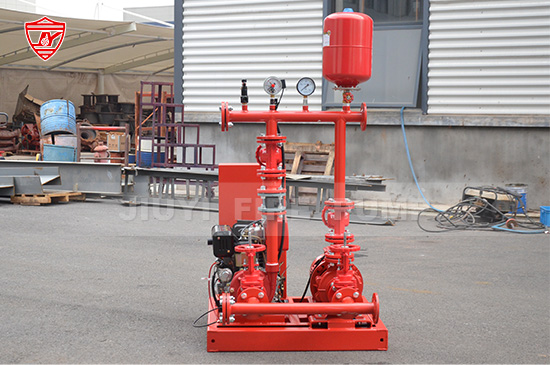
How Extreme Heat Affects Fire Pump Reliability
Extreme heat impacts both mechanical and electrical components of fire pump systems. The risks are often underestimated during design and installation but become evident during prolonged hot seasons or in high-temperature regions.
High ambient temperatures increase the operating temperature of electric motors, diesel engines, control panels, bearings, seals, and couplings. Excessive heat can cause insulation breakdown in motor windings, leading to reduced service life or sudden failure. In diesel fire pumps, high temperatures affect combustion efficiency, fuel stability, cooling systems, and battery performance.
Thermal expansion is another factor. As components heat up, dimensional changes can affect alignment between the pump and driver, increasing vibration and accelerating bearing wear. Seals may harden or deform under heat stress, leading to leakage. Lubricants may lose viscosity, reducing their protective properties and increasing friction and wear.
Beyond equipment-level issues, extreme heat also affects the surrounding environment. Pump rooms without adequate ventilation can trap heat, pushing internal temperatures far beyond design limits. In outdoor installations, solar radiation and poor airflow can cause localized overheating of enclosures and control cabinets. Over time, these conditions significantly reduce overall fire pump reliability.
Designing Fire Pump Systems for High-Temperature Environments
Reliability in extreme heat begins with proper system design. Fire pump selection and room design must account for worst-case temperature scenarios, not just average conditions.
The first step is selecting fire pumps, motors, and diesel engines rated for high ambient temperatures. Manufacturers provide allowable temperature ranges for continuous operation. Choosing equipment with thermal margins above expected site conditions provides a safety buffer during heat waves.
Pump room design plays a critical role. Adequate ventilation is essential to remove heat generated by motors, engines, and controllers. Mechanical ventilation systems should be sized based on heat load calculations, not just air change rates. In hot climates, passive ventilation is rarely sufficient. Forced ventilation with temperature-controlled exhaust fans can significantly improve thermal management.
The layout of the pump room also matters. Allow sufficient clearance around motors and engines to promote airflow. Avoid placing heat-generating components too close together. Heat shields or thermal barriers can be used to reduce radiant heat transfer between adjacent equipment.
For outdoor installations, enclosures should be designed to minimize solar heat gain. Light-colored or reflective coatings can reduce surface temperature. Roof overhangs or sunshades help limit direct solar exposure. Enclosures must allow natural or forced airflow while maintaining environmental protection.
Cooling Strategies to Prevent Fire Pump Overheating
Effective cooling is one of the most important factors in ensuring fire pump reliability during extreme heat. Both active and passive cooling strategies can be employed depending on site conditions.
For electric fire pumps, maintaining motor temperature within allowable limits is critical. Forced ventilation in pump rooms is the most common approach. In very hot environments, air conditioning may be required for control rooms and motor enclosures to prevent overheating of sensitive electrical components. Control panels, variable frequency drives, and battery chargers are particularly sensitive to high temperatures.
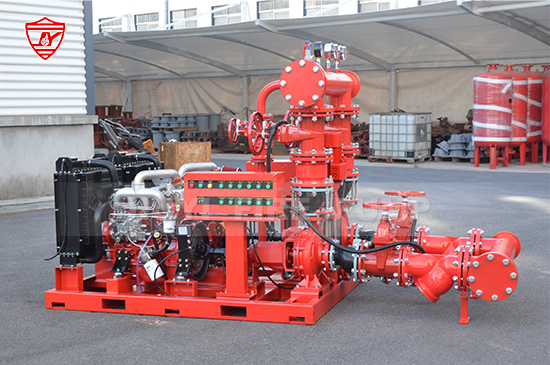
For diesel fire pumps, engine cooling systems must be designed and maintained for high ambient operation. Radiators, heat exchangers, and coolant circuits should be sized to handle peak thermal loads. Regular inspection of cooling fans, belts, hoses, and coolant quality is essential. Inadequate cooling can lead to engine derating, reduced power output, or automatic shutdowns due to high temperature alarms.
Exhaust heat management is another often overlooked factor. Diesel engine exhaust systems generate significant heat, which can raise the ambient temperature in enclosed spaces. Proper exhaust routing and insulation reduce heat buildup in the pump room and protect nearby components.
In some installations, supplemental cooling such as evaporative coolers or heat extraction systems may be justified, particularly in regions with consistently high ambient temperatures. While these measures add upfront cost, they can dramatically improve long-term fire pump reliability and reduce maintenance costs.
Electrical System Protection in High Temperatures
Electrical components are highly sensitive to heat. Control panels, starters, and power electronics experience accelerated aging when exposed to elevated temperatures. Ensuring electrical system reliability is therefore a key part of maintaining overall fire pump performance in extreme heat.
One important measure is thermal derating. Electrical equipment should be selected with temperature derating in mind, meaning components should be rated to operate safely at higher-than-normal ambient temperatures. Oversizing control components can provide additional thermal headroom and reduce the risk of overheating-related failures.
Proper cable management also plays a role. High temperatures increase conductor resistance, which in turn increases heat generation. Cables should be sized appropriately to minimize resistive losses, and routing should allow for adequate heat dissipation. Avoid bundling high-current cables tightly, as this can trap heat.
Enclosures should be designed to manage internal heat buildup. Ventilated enclosures with filters can improve airflow while maintaining protection from dust and moisture. In extreme environments, temperature-controlled enclosures may be necessary to protect sensitive electronics.
Thermal monitoring devices can provide early warning of overheating conditions. Temperature sensors in control panels and motor windings allow operators to identify abnormal heat rise before it leads to failure. Integrating these sensors into alarm systems enhances preventive maintenance strategies.
Maintenance Practices for Fire Pumps in Hot Climates
Maintenance requirements increase significantly in extreme heat environments. Proactive, heat-aware maintenance programs are essential to sustaining long-term fire pump reliability.
Lubrication schedules should be adjusted for high temperatures. Heat accelerates lubricant degradation, reducing its protective properties. Using high-temperature-rated lubricants and increasing inspection frequency can help prevent bearing and seal failures. Regular oil analysis for diesel engines provides insight into thermal stress and contamination levels.
Cooling systems require particular attention. Radiators, heat exchangers, and ventilation systems should be inspected for blockages, fouling, and airflow restrictions. Dust and debris accumulation is common in hot, dry climates and can severely impair cooling efficiency.
Alignment checks should be performed periodically. Thermal expansion can cause gradual misalignment between pumps and drivers, leading to vibration and premature wear. Regular vibration analysis helps detect alignment issues early.
Routine performance testing is also critical. Fire pumps should be tested under realistic load conditions to ensure they can deliver required flow and pressure at high operating temperatures. Testing during peak temperature periods provides valuable data on system performance under worst-case conditions.
Battery systems in diesel fire pumps deserve special attention. High temperatures shorten battery life and reduce capacity. Battery enclosures should be ventilated, and batteries should be tested more frequently in hot climates to avoid starting failures during emergencies.
Material Selection and Component Durability
Material choice has a direct impact on fire pump reliability in extreme heat. Components exposed to high temperatures must maintain structural integrity, dimensional stability, and corrosion resistance.
Elastomeric seals and gaskets should be selected based on their high-temperature performance characteristics. Materials that perform well at moderate temperatures may degrade rapidly under prolonged heat exposure. Choosing heat-resistant elastomers reduces the risk of leakage and seal failure.
Coatings and surface treatments also play a role. High-temperature-resistant coatings protect pump casings, piping, and enclosures from thermal degradation and corrosion. In coastal or industrial environments, combined heat and corrosion resistance is particularly important.
For diesel fire pumps, fuel system components must be compatible with high temperatures. Fuel stability can be affected by heat, leading to oxidation and deposit formation. Proper fuel storage practices and filtration help maintain reliable engine operation in hot environments.
Operational Best Practices During Heat Waves
Operational discipline becomes especially important during periods of extreme heat. Fire pump systems should be monitored more closely during heat waves, and operational procedures may need temporary adjustment.
One best practice is increasing the frequency of visual inspections during extreme heat events. Operators should check for signs of overheating, unusual noise, vibration, or leaks. Temperature readings of motors, engines, and control panels can provide early warning of abnormal conditions.
Load management is another consideration. While fire pumps are designed for emergency operation, auxiliary systems and test procedures should be scheduled to minimize unnecessary thermal stress during the hottest parts of the day. Conducting routine tests during cooler periods can reduce cumulative heat exposure.
Emergency response procedures should also account for extreme heat conditions. Operators should be trained to recognize heat-related alarms and respond promptly. Clear protocols for managing high-temperature shutdowns and restarting procedures improve system resilience.
The Role of Manufacturer Support and System Validation
Fire pump manufacturers play a critical role in ensuring reliable operation in extreme heat. Design validation, factory testing, and technical guidance tailored to high-temperature environments provide added assurance of system performance.
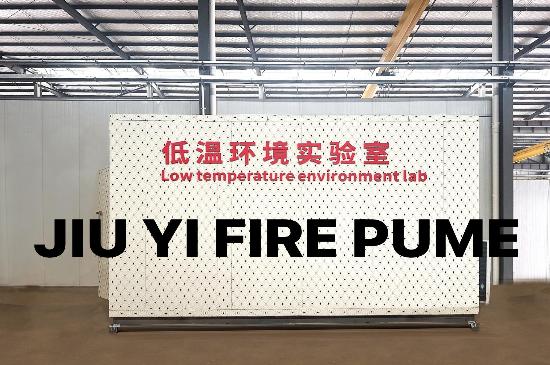
Factory acceptance testing under elevated temperature conditions can help identify potential weaknesses before installation. Manufacturers with experience in hot-climate projects can provide valuable recommendations on component selection, cooling design, and installation practices.
Documentation and training are equally important. Clear operating manuals, maintenance guidelines, and training programs ensure that on-site teams understand how to manage fire pump systems under extreme heat conditions. Collaboration between manufacturers, system designers, and facility operators creates a robust reliability framework.
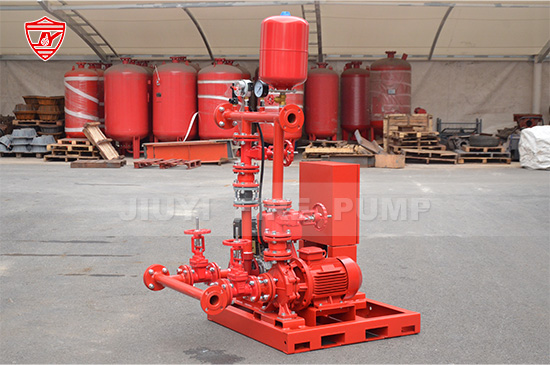
Conclusion
Extreme heat is no longer an occasional challenge; it is an increasingly common operating condition for fire pump systems worldwide. High temperatures accelerate wear, degrade performance, and increase the likelihood of failure if not properly addressed. Ensuring fire pump reliability in extreme heat requires a comprehensive approach that integrates design, cooling, electrical protection, maintenance, material selection, and operational discipline.
By selecting equipment rated for high temperatures, designing effective ventilation and cooling systems, implementing heat-aware maintenance programs, and adopting proactive monitoring practices, fire safety professionals can significantly reduce the risks associated with extreme heat. Reliable fire pump performance under high-temperature conditions is not only a technical requirement but a critical safeguard for life safety and asset protection.
.jpg)