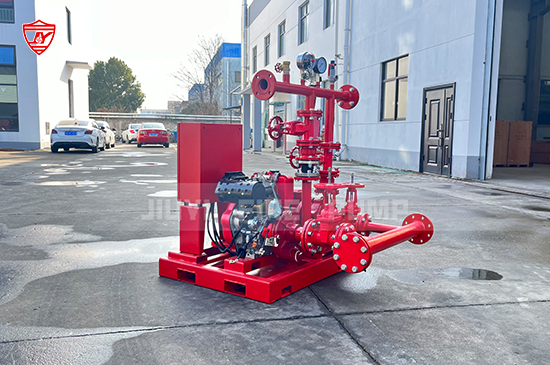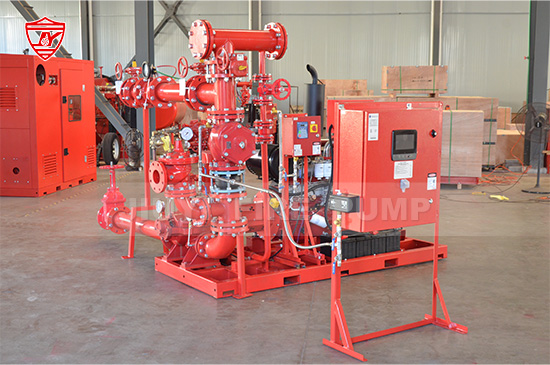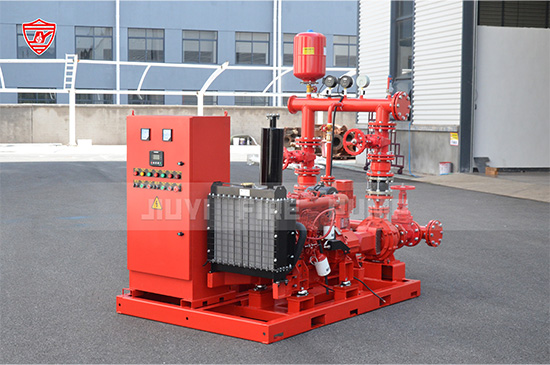
Fire pumps are the heart of any fire protection system. When a fire breaks out, the fire pump must start instantly and deliver the required pressure and flow without hesitation. To ensure this level of reliability, fire protection standards require regular testing. One of the most important of these checks is the fire pump automatic weekly test.
A fire pump automatic weekly test is a programmed, self-initiated test that allows the fire pump to start automatically without manual intervention. The test verifies that the pump, driver, controller, and supporting systems are functioning correctly under simulated operating conditions. This process plays a critical role in maintaining system readiness and compliance with fire safety regulations.
For facility owners, engineers, and maintenance teams, understanding how automatic weekly testing works—and why it matters—is essential for protecting lives, property, and investments.
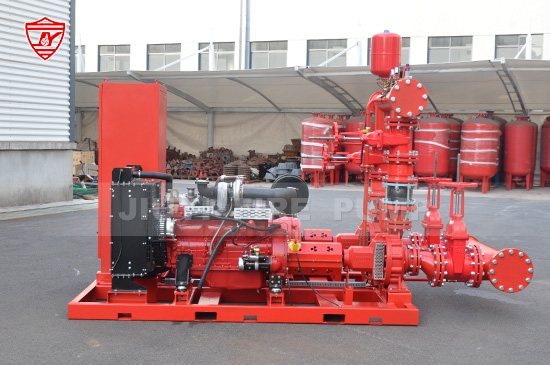
Fire pumps are emergency equipment. Unlike everyday mechanical systems, they may sit idle for long periods and are only called upon during critical situations. Mechanical inactivity increases the risk of hidden failures, such as seized bearings, battery degradation, fuel system issues, or electrical faults.
Automatic weekly testing addresses these risks by ensuring:
The fire pump starts reliably
The controller operates correctly
Power supply or engine systems are healthy
Alarms and signals function properly
The pump remains in operational condition
From a regulatory perspective, automatic weekly testing is not optional. It is required by widely adopted fire protection standards, including NFPA 20, to ensure consistent system readiness.
The primary purpose of a fire pump automatic weekly test is functional verification, not performance measurement. Unlike flow testing, which measures pressure and capacity, the weekly test focuses on whether the pump can start and run as designed.
Key objectives include:
Confirming automatic start capability
Verifying controller logic and settings
Checking engine or motor operation
Ensuring no abnormal vibration, noise, or alarms
Identifying issues early before system failure
This proactive approach reduces downtime, prevents emergency failures, and extends the overall life of the fire pump system.
The automatic weekly test is initiated by the fire pump controller according to a preset schedule. Once programmed, the system performs the test without requiring personnel on-site to manually start the pump.
At the scheduled time, the controller simulates a pressure drop or uses an internal test signal to trigger pump startup. This mimics the conditions that would normally cause the fire pump to run during a fire event.
The pump starts automatically, engaging either:
An electric motor (for electric fire pumps), or
A diesel engine (for diesel fire pumps)
The controller monitors startup time, voltage, current, engine speed, or oil pressure depending on the pump type.
The pump runs for a specified period, typically long enough to confirm stable operation. The duration may vary depending on local regulations, system configuration, and pump type.
After the test cycle is complete, the controller stops the pump automatically, provided no abnormal conditions are detected.
All test results, alarms, and operational data are recorded in the controller log for inspection and compliance documentation.
For electric fire pumps, the automatic weekly test verifies:
Availability of normal power supply
Motor starting performance
Electrical integrity of the controller
Absence of overloads or faults
Because electric fire pumps depend entirely on electrical power, the test helps identify issues such as voltage drops, contactor wear, or control circuit failures before an emergency occurs.
The test does not typically involve water flow, but it ensures the motor and controller can start and run under no-flow or churn conditions.
Diesel fire pumps require more comprehensive testing due to the complexity of engine-driven systems. During a diesel fire pump automatic weekly test, the following are checked:
Engine starting reliability
Battery condition and charging system
Fuel supply and fuel quality
Oil pressure and coolant temperature
Engine speed and stability
Diesel engines are particularly sensitive to inactivity. Regular automatic testing prevents issues such as fuel degradation, injector sticking, battery failure, and lubrication problems.
For diesel fire pumps, the automatic weekly test is one of the most critical maintenance activities for ensuring long-term reliability.
While both tests are important, they serve different purposes.
The automatic weekly test focuses on:
Automatic start function
Controller performance
Basic mechanical and electrical health
The manual test allows operators to:
Observe pump operation directly
Check gauges, valves, and flow paths
Perform inspections beyond controller monitoring
Automatic testing ensures consistency and reliability, while manual testing provides deeper inspection. Both are essential components of a comprehensive fire pump maintenance program.
One of the greatest advantages of automatic weekly testing is early fault detection. Common problems identified include:
Weak or failed batteries in diesel engines
Faulty pressure sensors or switches
Controller alarm malfunctions
Delayed startup times
Electrical connection degradation
Fuel system blockages
Identifying these issues during routine testing prevents costly failures during real fire emergencies.
Fire pump automatic weekly testing is aligned with the requirements of NFPA 20, which governs the installation and operation of stationary fire pumps.
Key principles include:
Regular automatic testing is mandatory
Controllers must support scheduled automatic starts
Test results must be recorded and reviewed
Any abnormal conditions must be corrected promptly
Compliance with these requirements is essential for passing inspections, maintaining insurance coverage, and ensuring system reliability.
To maximize the effectiveness of automatic weekly testing, consider the following best practices:
Schedule tests during low-risk hours
Ensure test logs are reviewed regularly
Investigate any alarms immediately
Combine automatic tests with routine inspections
Keep controllers properly programmed and secured
Fire pump testing should never be treated as a formality. Each test is an opportunity to confirm that the system will perform when lives depend on it.
As a fire pump manufacturer, system reliability begins at the design and production stage. High-quality fire pumps are engineered to withstand frequent starts, stable churn operation, and long-term service under strict standards.
Manufacturers play a key role by:
Providing compliant controllers
Designing pumps for reliable automatic operation
Offering clear testing guidelines
Supporting long-term maintenance needs
Selecting a fire pump from an experienced manufacturer ensures that automatic weekly testing is not only possible but effective and reliable throughout the system’s lifecycle.
Fire pump failures often occur not because of design flaws, but due to lack of regular testing and maintenance. Automatic weekly testing is a simple yet powerful tool that ensures readiness, compliance, and peace of mind.
When a fire occurs, there is no second chance for a fire pump to start. Automatic weekly testing ensures that when the moment comes, the system performs exactly as designed.
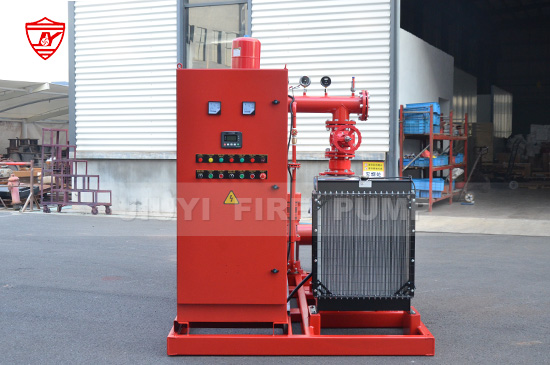
The fire pump automatic weekly test is a cornerstone of fire protection system reliability. It verifies automatic startup, detects early faults, supports regulatory compliance, and protects lives and property.
For facility managers, engineers, and project owners, understanding and prioritizing automatic weekly testing is not just about meeting code requirements—it is about ensuring that critical fire protection equipment is always ready when it matters most.