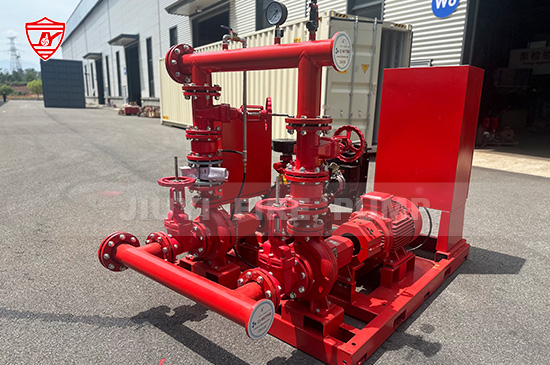
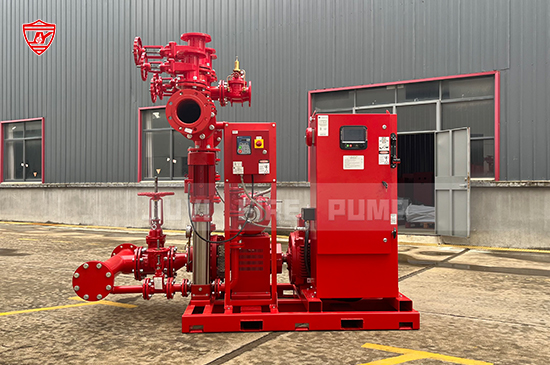
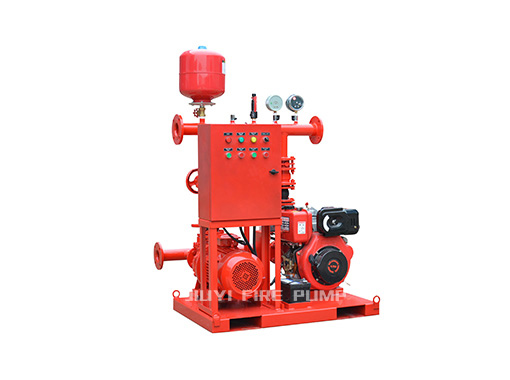
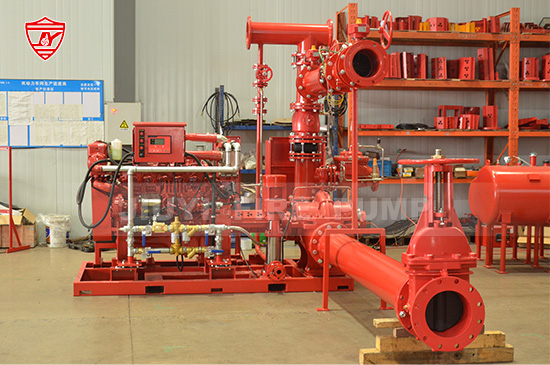
A reliable fire pump system is critical to the safety of any facility. If the fire pump fails when you need it most, the consequences can be catastrophic. To ensure that your fire pump is ready for action, it must be regularly tested and maintained. But how exactly should a fire pump system be tested to guarantee its readiness? This comprehensive guide will walk you through the necessary steps to properly test your fire pump system, ensuring it operates efficiently and complies with NFPA (National Fire Protection Association) standards.
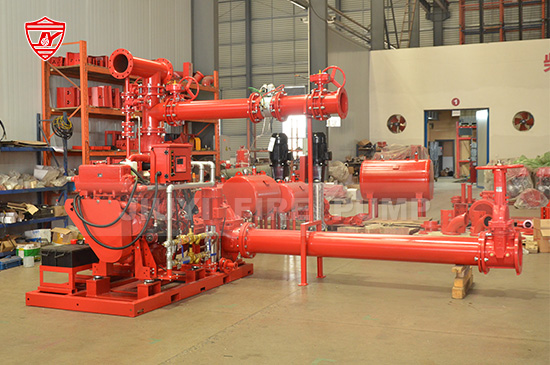
Importance of Testing Fire Pumps
Before diving into the specifics of testing, it's essential to understand why regular fire pump testing is so crucial. A fire pump system is designed to provide the necessary pressure and flow to firefighting sprinklers and other emergency systems during a fire. If the system isn't tested regularly, you risk it not performing correctly in an emergency. Here are the key reasons why testing is essential:
- Reliability: A fire pump system that isn’t tested regularly may fail when it's needed most.
- Compliance: NFPA 25 requires regular inspection and testing of fire pumps to ensure they meet safety standards.
- Longevity: Regular testing ensures that components are functioning as they should, which extends the system's lifespan.
Pre-Test Preparations
Before testing your fire pump system, you need to prepare the equipment and environment. Here are the essential steps to take:
- Review Documentation: Ensure all maintenance and testing records are up to date. NFPA 25 outlines the guidelines for fire pump testing, and all tests must be logged.
- Check System Components: Verify that all components of the fire pump system (pump, motor, controller, valves, and water supply) are in good working condition.
- Coordinate with Fire Safety Personnel: If your facility has dedicated fire safety personnel, make sure they are aware of the test and that they are on hand to assist if necessary.
- Safety Precautions: Make sure the testing area is clear of any obstacles or hazards, and that proper safety gear is worn throughout the process.
Step-by-Step Fire Pump Testing Procedure
Testing a fire pump system involves a series of steps designed to simulate actual emergency conditions and ensure the system functions properly. Follow these steps carefully:
- Start the Fire Pump System
- Engage the fire pump and ensure that it starts up without any unusual noises or hesitation. If the pump fails to start, this could indicate an electrical or mechanical issue, and the system should be inspected further before testing continues.
- Check Pump Pressure
- Measure the pump's pressure using a pressure gauge. This is one of the most important steps in testing the fire pump. It ensures that the pump is capable of providing the pressure needed for firefighting efforts.
- According to NFPA standards, the fire pump should meet the required discharge pressure (usually 150 psi or higher depending on the system).
- Conduct a Flow Test
- Conduct a flow test to measure the pump's ability to deliver water at the required flow rate. The flow test should be conducted at the designated test header. Ensure the flow is within the manufacturer's specified range.
- This step also includes measuring the system’s available flow at both the pump and the discharge points.
- Test the Jockey Pump
- The jockey pump helps maintain pressure within the fire protection system. Test the jockey pump to ensure that it activates and operates correctly when the system pressure drops below a certain threshold. This helps to avoid unnecessary activation of the fire pump.
- Test the jockey pump by manually simulating a drop in system pressure, triggering the pump to start.
- Verify Alarm and Controller Functionality
- Ensure that all alarms, both local and remote, are functioning as intended. This includes checking the controller, supervisory signals, and indicators. The fire pump controller should send an alarm when any issues or faults arise in the system.
- Verify the battery backup systems are functioning properly for any power failures.
- Run for Minimum Duration
- The fire pump should be run for a minimum of 10 minutes during testing. This helps ensure that the pump can operate continuously without overheating or malfunctioning.
- Monitor the pump for any signs of overheating, strange noises, or vibrations, which may indicate a need for repair or maintenance.
- Check Discharge Valves
- Open and close the discharge valves to check their operation and ensure they are not obstructed. These valves should be free of debris or corrosion and able to open and close smoothly when needed.
- System Shutdown
- After completing the flow and pressure tests, shut down the system according to the manufacturer’s instructions. Verify that the system returns to normal operation and that no parts are left in a compromised state.
- Document Results
- Record all test results, including pressure readings, flow rates, system performance, and any discrepancies or issues that arise during the test. This is essential for maintaining compliance with safety standards and for troubleshooting any future problems.
Troubleshooting Common Issues
During fire pump testing, you may encounter various issues. Here are a few common problems and their solutions:
- Pump Fails to Start: This could be due to electrical problems, faulty wiring, or a malfunctioning motor. Inspect the electrical components and test the motor to identify the issue.
- Low Pressure or Flow: If the pressure or flow is lower than required, this could be due to a blockage in the piping, worn-out pump components, or inadequate water supply. Inspect the pump and check for obstructions or damage to the components.
- Jockey Pump Malfunctions: If the jockey pump fails to maintain pressure, check the pump for leaks or mechanical failure. Ensure the pump’s electrical components are functioning properly.
- Alarms Not Triggering: If alarms fail to activate, check the wiring, controller settings, and power sources for the alarm system. Ensure all connections are secure and operational.
NFPA Fire Pump Testing Requirements
The NFPA 25 standard outlines specific requirements for fire pump testing. These include:
- Annual Testing: Fire pumps should be tested at least once a year, but more frequent testing is recommended in high-risk environments.
- Monthly Tests: Some systems may require monthly testing of the pump system to ensure it maintains pressure.
- Flow and Pressure Testing: NFPA guidelines require that fire pump systems undergo regular flow and pressure testing to confirm they meet minimum performance criteria.
Post-Test Inspections and Maintenance
After the fire pump system has been tested, it’s essential to perform a thorough post-test inspection. Look for signs of wear and tear, leaks, or anything that might indicate an issue. Regular maintenance, including lubrication of moving parts, cleaning of components, and checking for corrosion, will ensure the system remains reliable.
- Clean and Lubricate: Regularly clean the system, including the pump, valves, and motor. Lubricate moving parts to ensure smooth operation.
- Inspect Components: Check for any signs of wear, such as cracked pipes or corroded parts, which could affect system performance.
- Update Documentation: Always document the test results, any issues, and the repairs made. This is critical for future maintenance and compliance with fire safety regulations.
Conclusion
Testing your fire pump system is not just a regulatory requirement—it's a critical task that ensures your system is capable of protecting your property and saving lives when it matters most. By following a structured testing procedure and addressing any issues promptly, you can significantly enhance the reliability and longevity of your fire pump system. Always remember to consult with a professional fire pump technician or your fire protection service provider for guidance if any issues arise during testing.