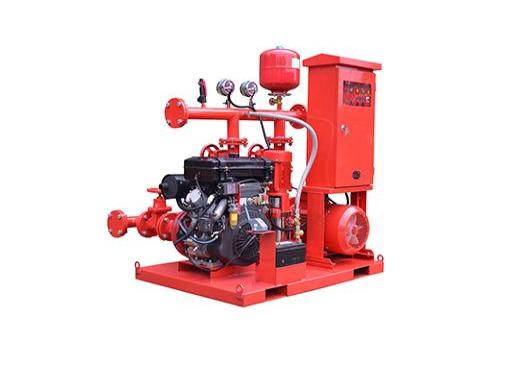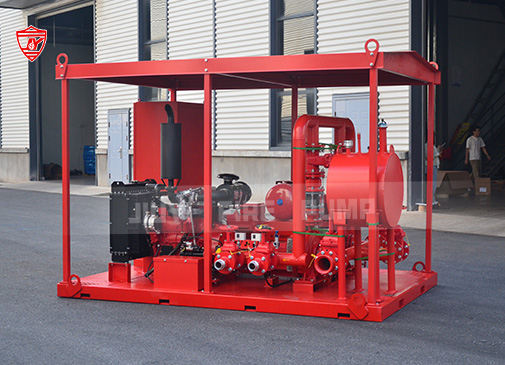
Fire pumps are essential to ensuring reliable fire protection in buildings, industrial facilities, and other critical areas. They are designed to provide water at the necessary pressure to suppress fires and keep everyone safe. However, like any mechanical equipment, fire pumps can experience issues over time, which can compromise their effectiveness. Understanding how to diagnose and fix common fire pump problems can help improve their efficiency and reliability.
In this article, we’ll walk you through common fire pump problems, their causes, and practical solutions to fix them. Additionally, we’ll provide tips for improving the efficiency of your fire pump system to ensure it is always ready when needed.
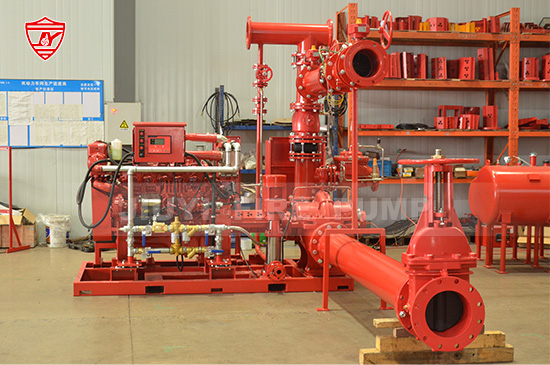
One of the most common issues with fire pumps is low or no water pressure. This can make the pump less effective or even useless in a fire emergency. Low pressure can stem from several causes, and addressing the issue quickly is essential.
Possible Causes:
Solutions:
When a fire pump fails to start, the entire system is compromised. This can be due to mechanical or electrical issues that prevent the pump from functioning properly.
Possible Causes:
Solutions:
Cavitation occurs when the pump draws in air or vapor instead of water, leading to poor performance and damage over time. You may hear unusual noises, such as a loud, grinding sound, when cavitation occurs.
Possible Causes:
Solutions:
Power failures, especially in electric-powered fire pumps, can leave a building unprotected in the event of a fire. Frequent power failures are often a sign of an underlying problem with the electrical system.
Possible Causes:
Solutions:
Excessive vibration in a fire pump system can cause wear and tear on components and reduce efficiency. This is often a sign that the pump is out of alignment or that there is a mechanical issue.
Possible Causes:
Solutions:
Overheating is a common issue for both electric and diesel-powered fire pumps. If the pump becomes too hot, it may cause serious damage to the motor or engine, leading to costly repairs or replacement.
Possible Causes:
Solutions:
While fixing common issues is important for maintaining the fire pump’s reliability, improving efficiency can reduce the likelihood of problems and ensure that the system operates at its best. Here are some tips to help you optimize your fire pump system’s efficiency:
Routine maintenance is essential for keeping a fire pump in top condition. This includes cleaning filters and strainers, inspecting components for wear, and ensuring that the system is free of debris and obstructions. Regularly check the pump’s pressure, flow, and other key performance metrics to identify potential issues before they become problems.
Modern fire pumps are designed to be more energy-efficient, which can reduce operating costs while maintaining optimal performance. Consider upgrading to a high-efficiency pump that is designed to consume less power while providing reliable fire protection.
Properly sizing a fire pump for the specific application is crucial for efficiency. An undersized or oversized pump can lead to energy waste and increased wear on components. Work with a professional to ensure that the fire pump is the right size for your building’s requirements.
Ensuring that the water supply and piping system are in good condition is key to improving fire pump efficiency. Make sure that the pipes are free of blockages, and that the water source provides sufficient volume and pressure to meet the pump’s needs.
Installing a variable speed drive (VSD) on a fire pump motor can help regulate the speed of the pump and reduce energy consumption. This allows the system to operate more efficiently, particularly when demand is lower than the pump’s maximum capacity.
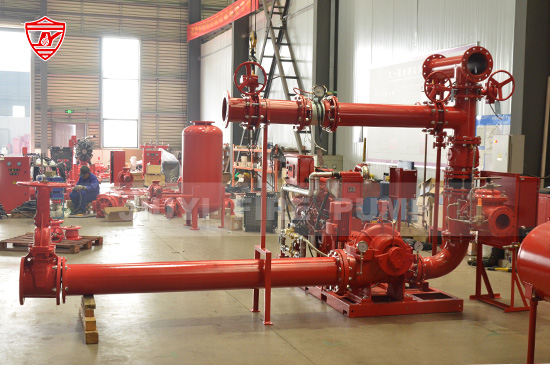
Fire pumps play a crucial role in fire protection systems, and keeping them in optimal condition is vital for ensuring safety and compliance. By understanding and addressing common fire pump problems, you can improve efficiency, extend the lifespan of your equipment, and ensure that your system is always ready in an emergency.
.jpg)