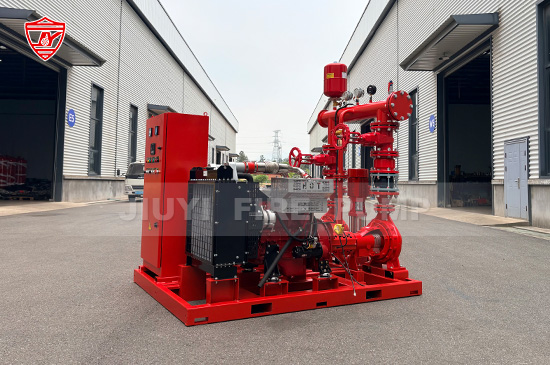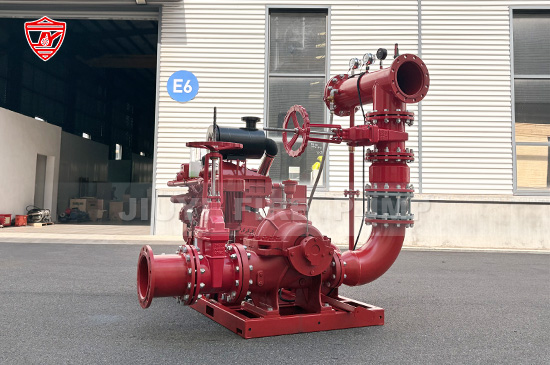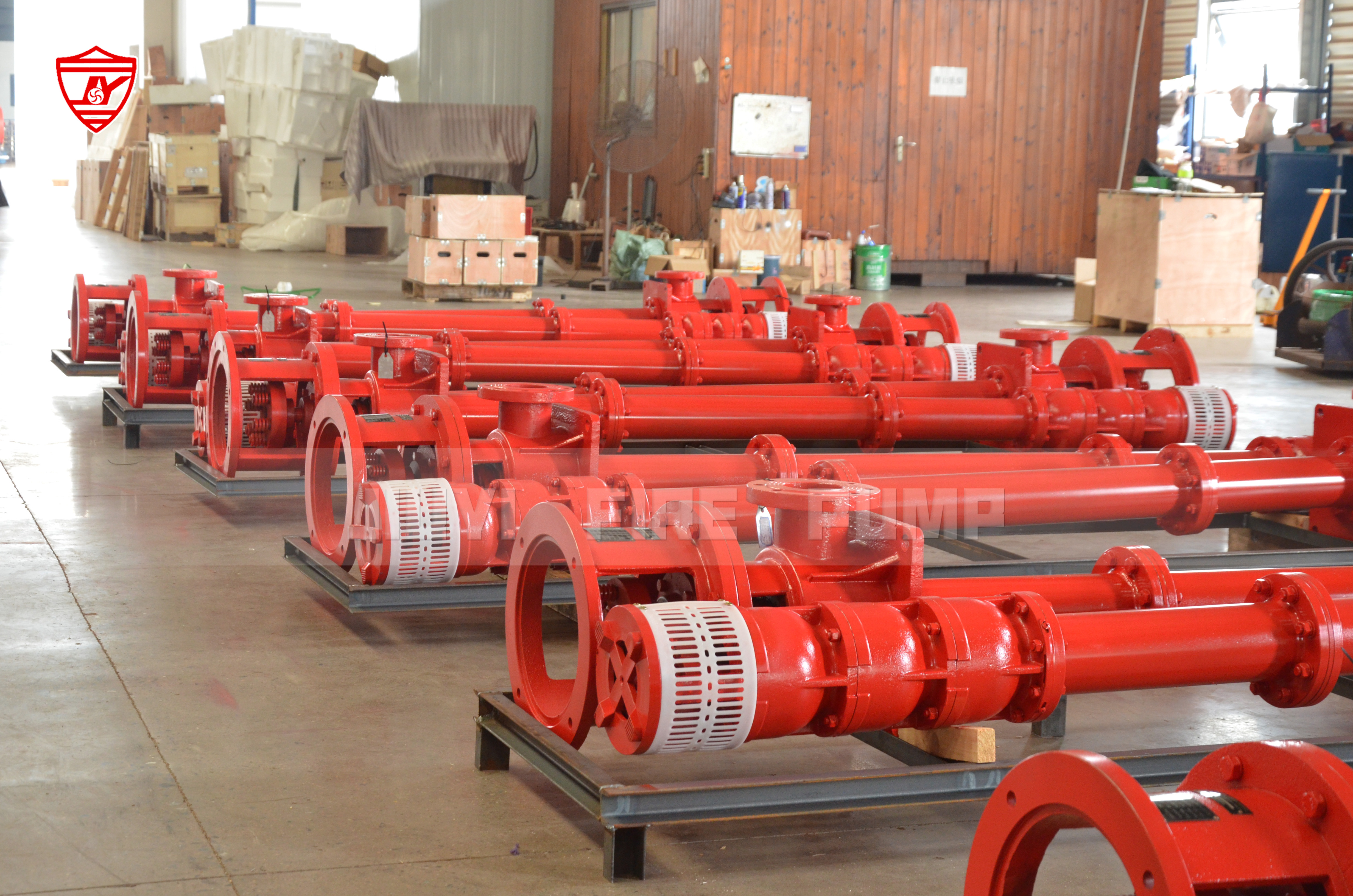
Fire pump hydraulic performance is one of the most important factors in the reliability of a fire protection system. A fire pump must deliver sufficient water flow at the required pressure to protect buildings, industrial facilities, warehouses, commercial properties, and other high-risk environments. Even when a fire pump is correctly manufactured, poor system design, incorrect pump selection, excessive friction losses, inadequate suction conditions, or improper installation can prevent it from achieving its intended performance.
Optimizing fire pump hydraulic performance does not simply mean increasing pressure or selecting a larger pump. It requires matching the pump's operating characteristics with the hydraulic demands of the entire fire protection system. The objective is to ensure that the pump delivers the required flow and pressure reliably, operates within its intended performance range, and remains ready for emergency conditions.
For fire protection engineers, contractors, facility managers, and pump manufacturers, understanding the factors that influence hydraulic performance is essential to designing and maintaining an effective fire protection system.
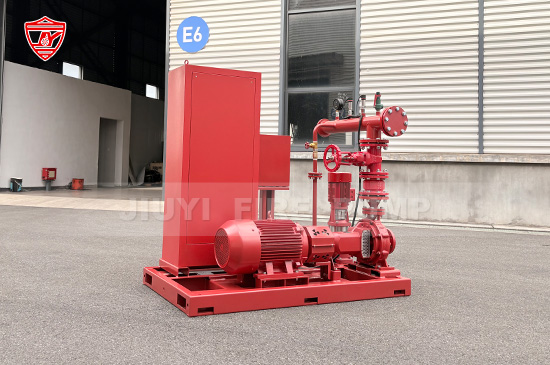
The fire pump performance curve is the starting point for hydraulic optimization. It illustrates the relationship between flow rate and pressure or head generated by the pump under specific operating conditions.
A typical centrifugal fire pump curve includes several important operating points:
Shutoff head: The pressure or head generated when the pump operates at zero flow.
Rated flow: The flow rate at which the pump is designed to provide its rated performance.
Rated pressure: The pressure or head corresponding to the rated flow.
Maximum flow: The flow the pump can deliver under a specified operating condition.
Power requirement: The power needed to drive the pump at different operating points.
Engineers should evaluate the entire pump curve rather than focusing exclusively on the rated point. A fire pump may need to operate at different flow rates depending on the demand of the sprinkler system, hydrant network, standpipe system, or other connected fire protection equipment.
A pump with an unsuitable curve may deliver excessive pressure at low flow or insufficient pressure at high flow. Therefore, selecting a pump with a curve that matches the system's hydraulic requirements is essential.
Understanding the relationship between flow, pressure, and pump speed also helps identify potential operating problems before installation.
Proper pump selection is one of the most effective ways to improve hydraulic performance. The selected pump must satisfy the system's required flow rate and pressure while considering the actual installation conditions.
Before selecting a fire pump, engineers should evaluate:
Required fire protection flow rate
Minimum pressure required at the most hydraulically demanding outlet
Static elevation difference between the pump and protected areas
Pipe diameter and total pipe length
Fittings, valves, and other components
Water supply conditions
System design requirements
Applicable fire protection standards and local regulations
Selecting a pump that is too small may result in inadequate pressure or flow during an emergency. Conversely, selecting an oversized pump may create excessive pressure, unnecessary energy consumption during testing, higher equipment costs, and additional pressure-control requirements.
A properly selected fire pump should provide the required hydraulic performance under the anticipated system conditions without compromising the reliability of the fire protection system.
For projects with complex hydraulic requirements, engineers should compare multiple pump types, including end suction pumps, split case pumps, and vertical turbine pumps. Each type offers different advantages depending on flow requirements, available space, water supply conditions, and installation configuration.
Friction loss is one of the major factors affecting fire pump hydraulic performance. As water flows through pipes, fittings, valves, and other components, part of the available pressure is lost due to resistance.
Excessive friction loss can reduce the pressure available at remote sprinklers, hydrants, or hose connections. It can also increase the required pump discharge pressure, potentially resulting in a larger pump or higher motor power requirement.
To minimize unnecessary friction losses, designers should consider the following measures.
Pipe sizing has a significant impact on water velocity and friction loss. Undersized pipes can create excessive resistance, particularly in systems requiring high flow rates.
Selecting appropriate pipe diameters based on hydraulic calculations helps maintain acceptable water velocities and reduces pressure losses throughout the system.
Elbows, tees, reducers, and other fittings introduce additional hydraulic resistance. Although fittings are often necessary, their quantity and arrangement should be carefully considered during system design.
Where practical, unnecessary bends and restrictive fittings should be avoided to create a more efficient flow path.
Valves should be selected according to their intended function, flow capacity, and pressure rating. Poorly selected or partially closed valves can introduce significant resistance into the system.
The installation should also ensure that valves are correctly positioned, accessible, and maintained in their required operating condition.
A well-designed piping network reduces hydraulic losses and allows the fire pump to deliver its required performance more effectively.
The suction side of a fire pump plays a critical role in hydraulic performance. Inadequate water supply, excessive suction losses, air leakage, or unfavorable installation conditions can affect pump operation and may lead to cavitation.
Cavitation occurs when local pressure within the pump falls below the vapor pressure of the water, causing vapor bubbles to form and subsequently collapse. This can generate noise, vibration, damage to impellers, and reduced hydraulic performance.
To maintain suitable suction conditions, engineers should evaluate:
Available water supply capacity
Water source elevation
Suction pipe diameter
Suction pipe length
Suction pipe configuration
Strainers and other restrictions
Potential air entry points
Available net positive suction head
The available net positive suction head, or NPSH available, must be sufficient for the pump's requirements under the actual operating conditions.
For fire pumps drawing water from tanks, reservoirs, wells, or other sources, suction design should be carefully evaluated. Vertical turbine fire pumps are often suitable for applications involving deep water sources or low water levels, while horizontal fire pumps may be appropriate where adequate positive suction conditions can be maintained.
Maintaining a stable and unrestricted water supply is fundamental to achieving reliable fire pump performance.
A fire pump is only one component of a complete fire protection system. Its performance depends on how effectively the pump interacts with the piping network, sprinkler heads, hydrants, valves, tanks, and other connected equipment.
Hydraulic calculations should determine the pressure and flow requirements at the most demanding points in the system. These calculations help engineers identify pressure losses, evaluate water distribution, and determine whether the selected fire pump can meet the system's requirements.
A well-optimized hydraulic design should consider:
Pressure distribution: Ensure that sufficient pressure is available at critical system outlets, especially those located at higher elevations or farther from the pump.
Flow distribution: Confirm that the system can deliver the required flow to the designated fire protection zones without excessive losses.
Elevation differences: Account for static pressure changes caused by differences in elevation between the pump and system outlets.
System zoning: In large buildings or industrial facilities, different zones may require different pressure conditions. Proper zoning can help manage pressure distribution and reduce unnecessary pressure exposure.
System compatibility: Ensure that the pump, piping, valves, sprinkler equipment, and other components are hydraulically compatible.
Hydraulic calculations should be completed during the design stage and reviewed whenever significant changes are made to the fire protection system.
Higher pressure does not necessarily mean better fire pump performance. Excessive pressure can create operational challenges, increase stress on piping and system components, and potentially damage equipment that is not designed for the resulting pressure conditions.
Pump oversizing may occur when engineers select equipment based on excessive safety margins, incomplete hydraulic calculations, or assumptions that do not accurately represent the actual system requirements.
A properly engineered fire pump should provide sufficient pressure at the required flow while maintaining acceptable performance throughout the anticipated operating range.
Where pressure exceeds the allowable limits of certain system components, pressure-reducing devices or properly designed pressure-control arrangements may be required. However, these devices must be selected and installed in accordance with applicable fire protection standards and the system's hydraulic requirements.
The goal is not to reduce fire protection capacity, but to achieve a balanced system in which the pump delivers the required water supply without creating unnecessary pressure problems.
The operating condition of a fire pump directly influences its hydraulic performance. Centrifugal pumps are designed to operate within a specific range, and prolonged operation under unsuitable conditions may result in increased vibration, mechanical stress, overheating, or reduced reliability.
One important concept is the Best Efficiency Point (BEP), which represents the flow rate at which a pump operates with its highest hydraulic efficiency under a particular condition.
Although fire pumps are designed primarily for emergency reliability rather than continuous energy-efficient operation, understanding the BEP is still useful when evaluating pump characteristics, mechanical stability, and operating range.
Engineers should review the manufacturer's pump curve to determine whether the expected operating conditions fall within the recommended range.
During routine testing, the pump may operate at several flow conditions, including no-flow, rated-flow, and high-flow conditions. These tests help verify that the pump can perform according to its specified requirements.
For fire protection applications, the pump must also comply with the relevant requirements governing its performance at different operating points. Hydraulic optimization must never compromise the pump's ability to meet emergency fire protection demand.
Fire protection systems may require different pressure conditions depending on building height, system layout, water supply characteristics, and the number of connected zones.
In some applications, a single fire pump may be sufficient. In larger or more complex systems, engineers may need to consider multiple pumps, pressure zones, jockey pumps, or other suitable arrangements.
A jockey pump is commonly used to maintain system pressure and compensate for small leakage or minor pressure fluctuations. By maintaining pressure under normal conditions, it helps prevent the main fire pump from starting unnecessarily.
The main fire pump should be configured to respond appropriately when system pressure drops due to an actual fire demand or another significant water demand.
Electric fire pumps and diesel engine fire pumps may also be used together in certain systems to provide alternative driving arrangements and additional operational reliability.
For combined electric and diesel fire pump installations, the system configuration, pump performance, controller settings, and pressure conditions should be coordinated carefully.
Pressure control should be based on the system's design requirements and applicable standards rather than arbitrary pressure settings.
Flow testing is essential for verifying actual hydraulic performance. It provides practical information about whether a fire pump can deliver the required flow and pressure under operating conditions.
During a fire pump performance test, engineers typically evaluate the pump at several operating points, including:
Zero-flow or churn condition
Rated flow condition
Higher-flow condition, where required by the applicable testing standard
The measured results should be compared with the pump's approved performance curve, original acceptance test results, and applicable fire protection requirements.
Flow testing can help identify:
Reduced pump capacity
Unexpected pressure loss
Changes in water supply conditions
Possible impeller wear
Mechanical deterioration
Suction restrictions
Incorrect valve positions
Abnormal vibration or noise
A consistent testing and recordkeeping program makes it easier to identify performance changes over time.
If testing reveals a significant deviation from expected performance, the cause should be investigated before the system is considered fully reliable.
Even a correctly designed fire pump system may experience hydraulic performance deterioration if equipment is not maintained properly.
Maintenance activities should include inspection of the pump, motor or diesel engine, coupling, bearings, seals, controllers, suction and discharge piping, valves, and associated equipment.
Mechanical problems such as worn bearings, damaged seals, misalignment, impeller deterioration, or excessive vibration can affect the pump's operation and reliability.
For diesel-driven fire pumps, additional maintenance is required for the diesel engine, cooling system, fuel supply, lubrication system, batteries, exhaust system, and associated control equipment.
For electric fire pumps, the power supply, motor condition, controller, electrical connections, and starting equipment should be checked according to the applicable maintenance requirements.
The maintenance program should also include reviewing test records, monitoring abnormal operating conditions, and ensuring that all required inspections and tests are completed at the specified intervals.
Regular maintenance helps preserve the pump's original hydraulic performance and reduces the risk of unexpected failures during an emergency.
Variable speed technology can provide benefits in certain water supply and pumping applications by adjusting pump speed to changing demand. However, fire protection systems have specific operating and safety requirements that must be considered before applying variable speed controls.
In fire pump applications, speed control must not interfere with the pump's ability to deliver the required rated flow and pressure, respond to emergency demand, or meet applicable fire protection standards.
Engineers should evaluate the compatibility of variable speed controllers with the fire pump, driver, control system, and overall fire protection design. Any speed-control arrangement must be appropriately approved and designed for the intended fire protection application.
Conventional fire pumps operating at their specified rated speed remain widely used because of their proven performance, reliability, and straightforward operation.
The selection of variable speed or fixed speed equipment should therefore be based on project requirements, applicable standards, and a thorough engineering evaluation rather than energy-saving considerations alone.
The quality of the fire pump itself has a significant influence on hydraulic performance. Manufacturing accuracy, material quality, impeller design, assembly precision, and testing procedures all affect the pump's ability to deliver consistent flow and pressure.
Working with an experienced fire pump manufacturer can help engineers and contractors select equipment that matches their project requirements.
A reliable manufacturer should provide:
Complete pump performance curves
Hydraulic performance test reports
Technical specifications and dimensional drawings
Suitable pump configurations for different applications
Driver and controller compatibility information
Manufacturing quality control
Technical support for selection and installation
Factory testing is particularly important. A properly equipped pump testing facility allows manufacturers to verify flow, pressure, power consumption, and operating characteristics before the equipment is delivered.
For customized fire pump systems, factory testing can also help confirm the performance of integrated pump sets, including electric pumps, diesel engine pumps, jockey pumps, controllers, and packaged systems.
This provides engineers and project contractors with greater confidence that the supplied equipment meets the specified hydraulic requirements.
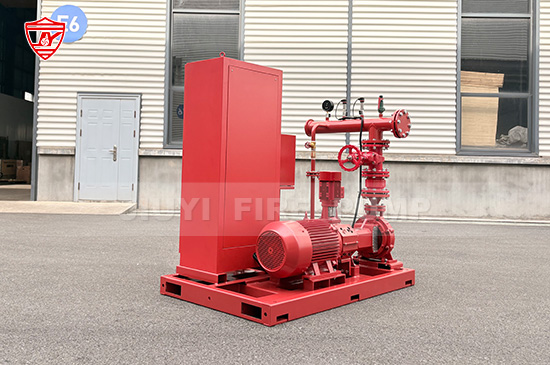
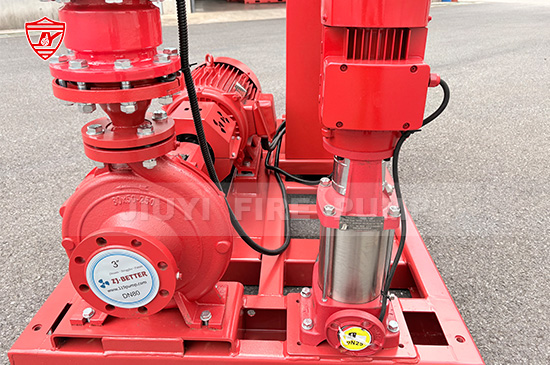
Optimizing fire pump hydraulic performance requires a comprehensive approach that combines accurate pump selection, proper hydraulic calculations, efficient piping design, adequate suction conditions, suitable pressure control, regular flow testing, and preventive maintenance.
The most effective fire pump system is not necessarily the one with the highest pressure or largest capacity. It is the system that reliably delivers the required flow and pressure under actual operating conditions while maintaining compatibility between all components.
For fire protection engineers, contractors, and facility managers, hydraulic performance should be evaluated throughout the entire project lifecycle, from initial design and equipment selection to installation, commissioning, testing, and ongoing maintenance.