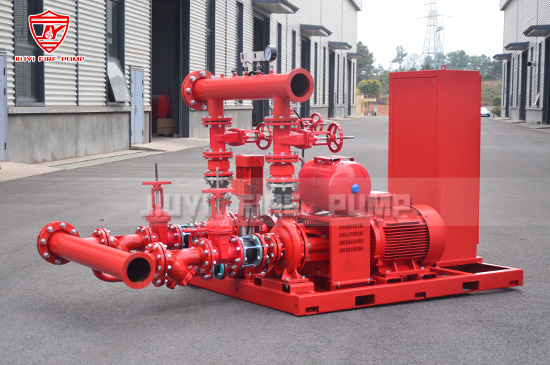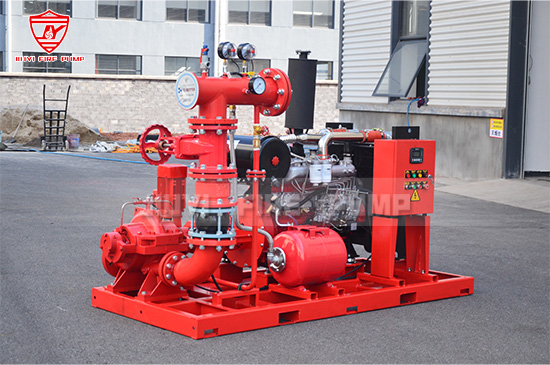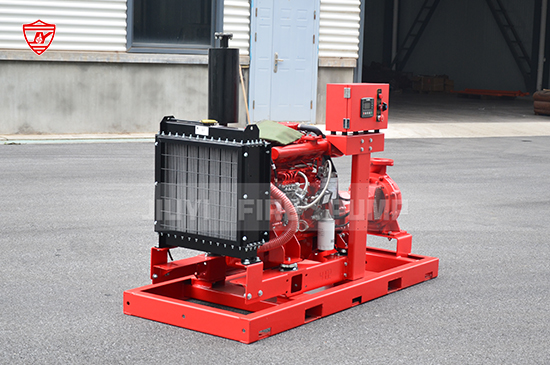
An electric motor fire pump is a critical component of a building's fire protection system. In the event of a fire, it supplies water at the required flow rate and pressure to support sprinklers, hydrants, standpipes, and other firefighting equipment. Unlike ordinary water pumps, fire pumps are designed for emergency operation, making their reliability essential for protecting lives, property, and business operations.
Although electric motor fire pumps are generally designed for long service life and dependable performance, they still require regular inspection, testing, and preventive maintenance. Electrical faults, mechanical wear, incorrect operating conditions, and neglected components can affect pump performance and lead to unexpected failures.
For building owners, facility managers, fire protection contractors, and maintenance engineers, understanding how to maintain an electric motor fire pump is essential. A well-planned maintenance program helps identify potential problems early, reduces equipment downtime, and ensures the fire pump remains ready when an emergency occurs.
This article explains the essential maintenance procedures, inspection points, testing requirements, and common problems associated with electric motor fire pumps.
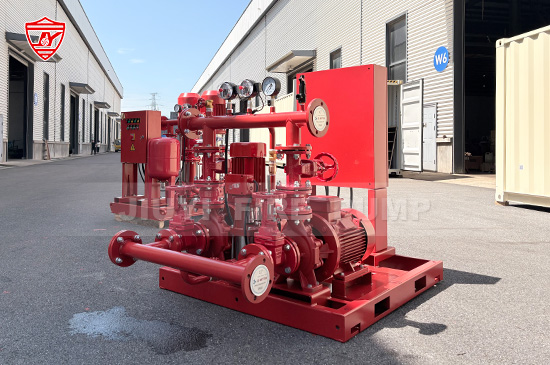
Before performing maintenance, it is important to understand the main components of an electric motor fire pump system. Each component plays a specific role in ensuring reliable operation.
Electric Motor
The electric motor provides the mechanical power required to drive the fire pump. It must operate within its specified voltage, current, frequency, and temperature ranges. Regular inspection helps identify overheating, abnormal noise, vibration, and electrical connection problems.
Fire Pump
The pump converts mechanical energy from the motor into hydraulic energy, delivering water at the required flow and pressure. Depending on the application, common configurations include end suction pumps, split case pumps, and vertical turbine pumps.
Fire Pump Controller
The controller monitors and manages the operation of the electric fire pump. It automatically starts the pump when the system pressure drops to the configured starting point and provides operating status and alarm indications.
Pressure Sensing Line
The pressure sensing line communicates system pressure changes to the fire pump controller. Blockages, leaks, or incorrect installation can affect automatic pump starting.
Coupling and Pump Base
The coupling connects the motor shaft to the pump shaft, while the base provides structural support. Proper alignment and secure mounting are important for minimizing vibration and mechanical stress.
Piping and Valves
Suction and discharge piping transport water through the fire pump system. Valves must remain in their correct operating positions, and piping should be free from leaks, obstructions, and visible damage.
Understanding these components provides a foundation for developing an effective electric fire pump maintenance plan.
Visual inspections are among the simplest and most effective ways to identify potential fire pump problems. They should be conducted regularly according to the applicable fire protection standards, manufacturer recommendations, and the site's maintenance schedule.
During an inspection, maintenance personnel should check the following:
Check the Pump Room
Keep the pump room clean, dry, and free from unnecessary materials.
Ensure adequate lighting and ventilation.
Check that the room temperature remains within the equipment manufacturer's recommended operating range.
Make sure the pump and controller are accessible.
Check for signs of water leakage, corrosion, or excessive moisture.
Inspect the Pump and Motor
Look for visible cracks, corrosion, or physical damage.
Check for oil or water leakage around the equipment.
Inspect motor cooling openings and ventilation passages.
Ensure protective covers and guards are properly installed.
Check that mounting bolts and foundation connections are secure.
Check the Piping System
Inspect suction and discharge pipes for leakage or corrosion.
Confirm that valves are in their required operating positions.
Check pressure gauges for visible damage and abnormal readings.
Inspect pipe supports and connections.
Any abnormal condition should be recorded and investigated. Small issues, such as loose connections or minor leakage, can develop into more serious problems if ignored.
The electric motor is one of the most important components of an electric motor fire pump. Motor-related problems can prevent the fire pump from starting or cause it to operate inefficiently.
Regular motor inspections should focus on the following areas.
Voltage and Current
Check the motor's electrical supply against its rated operating specifications. Abnormal voltage, phase imbalance, or excessive current may indicate electrical supply problems, motor damage, or mechanical overload.
Three-phase motors should be checked for phase loss and phase imbalance. The measured current should be compared with the motor nameplate data and applicable operating conditions.
Motor Temperature
Monitor the motor housing temperature during operation. Excessive heat may result from poor ventilation, electrical problems, bearing damage, or excessive mechanical load.
Motor Bearings
Inspect bearings for unusual noise, vibration, or excessive temperature. Follow the manufacturer's lubrication instructions where applicable. Some motors use sealed or permanently lubricated bearings and should not be lubricated unnecessarily.
Cooling and Ventilation
Keep air intake openings, cooling fins, and ventilation passages free from dust and debris. Restricted airflow can cause the motor to overheat and reduce its service life.
Electrical Connections
Inspect accessible electrical connections for signs of overheating, discoloration, corrosion, or loose connections. Electrical testing and maintenance should only be performed by qualified personnel using appropriate safety procedures.
Regular motor inspections help maintain stable operation and reduce the risk of unexpected electrical failures.
A fire pump must deliver the required flow rate and pressure under specified operating conditions. Simply confirming that the motor starts does not guarantee that the pump can perform effectively during a fire emergency.
Performance testing helps determine whether the pump continues to meet its original design requirements.
Important performance parameters include:
Flow Rate: The volume of water delivered by the pump over a specific period.
Discharge Pressure: The pressure generated at the pump discharge.
Suction Pressure: The pressure available at the pump suction.
Pump Speed: The rotational speed of the pump during operation.
Motor Current: The electrical current drawn by the motor under different operating conditions.
Vibration: The level of mechanical vibration during operation.
Compare test results with the manufacturer's performance curve and approved system design requirements.
Where required, conduct flow testing at the appropriate test points, including churn (no-flow), rated flow, and applicable overload or peak-flow conditions.
A significant reduction in flow or pressure may indicate impeller wear, suction restrictions, air entering the pump, incorrect rotation, or other hydraulic problems.
Performance testing should be carried out by qualified personnel using suitable calibrated instruments and approved procedures.
The electric fire pump controller plays an essential role in automatic pump operation. Even when the pump and motor are in good mechanical condition, a controller malfunction can prevent the system from starting when required.
During controller inspections, pay attention to the following:
Check Controller Status
Confirm that the controller indicates the correct operating condition and is free from active fault or alarm indications. Check that the controller is in its required automatic operating mode.
Inspect Electrical Connections
Qualified personnel should inspect accessible wiring, terminals, contactors, and other electrical components for signs of overheating, looseness, or deterioration.
Check Automatic Starting Function
Verify that the controller responds correctly to the designated pressure-start signal in accordance with the approved testing procedure.
Review Alarm Functions
Check relevant indications and alarm functions, including power failure, phase-related faults, motor overload where applicable, and controller trouble signals.
Inspect the Power Supply
Confirm that the electrical supply arrangement complies with the approved fire protection design. Where an emergency power source is part of the system, its availability and associated transfer arrangements should also be inspected.
Controller maintenance should always follow the manufacturer's instructions. Do not modify pressure settings, protection functions, or controller configurations without proper authorization.
Mechanical components directly affect the efficiency and stability of an electric motor fire pump.
Incorrect alignment, loose mounting bolts, damaged bearings, or excessive vibration can lead to premature component failure.
Coupling Inspection
Check the coupling for visible damage, wear, and abnormal movement. Ensure that the coupling guard is correctly installed.
Shaft Alignment
Motor and pump shaft alignment is essential for reducing mechanical stress. Misalignment can cause vibration, bearing damage, coupling wear, and increased power consumption.
Alignment should be checked using suitable instruments and adjusted according to the manufacturer's tolerances.
Bearing Inspection
Listen for abnormal bearing noise and check for unusual vibration or temperature changes. If a bearing shows signs of damage, arrange professional inspection and replacement.
Foundation and Mounting Bolts
Check the pump base, foundation, and mounting bolts for looseness or structural damage. A stable foundation helps maintain correct alignment and minimizes vibration during operation.
Mechanical inspections are particularly important for pumps operating in demanding industrial environments, where vibration, temperature, and operating conditions may accelerate wear.
The performance of an electric motor fire pump depends not only on the pump itself but also on the condition of the connected piping system.
Problems in the suction line can restrict water supply and reduce pump performance. Discharge-side problems can affect system pressure and water delivery.
Maintenance personnel should pay attention to these points:
Ensure suction valves are fully open and secured in their required positions.
Check suction piping for leakage and possible air ingress.
Inspect strainers, where installed, for blockage.
Verify that discharge valves are in their designated operating positions.
Check check valves for correct operation.
Inspect pressure gauges for accurate and stable readings.
Look for corrosion, water leakage, and damaged pipe supports.
The suction supply should also be checked to ensure sufficient water is available under the expected operating conditions.
Any changes to the piping arrangement, valve configuration, or water supply should be evaluated by qualified fire protection professionals.
A structured preventive maintenance schedule helps ensure that every important component receives appropriate attention.
The inspection frequency should follow the applicable codes and standards, the equipment manufacturer's instructions, and local regulatory requirements.
The following table provides a general maintenance planning reference.
|
Frequency |
Recommended maintenance activities |
|---|---|
|
Daily or routine site checks |
Check controller status, power availability, pump room conditions, and visible abnormalities. |
|
Weekly |
Perform the required fire pump operational test and record operating conditions, following applicable requirements. |
|
Monthly |
Review inspection records, check valves and gauges, and inspect electrical and mechanical conditions as required. |
|
Quarterly |
Conduct additional inspections of electrical connections, mechanical components, and system conditions according to the maintenance plan. |
|
Annually |
Arrange comprehensive inspection and performance testing, including flow testing where required. |
|
As needed |
Investigate alarms, abnormal vibration, leakage, overheating, and other identified problems. |
These intervals are general planning guidance, not a substitute for applicable requirements. For example, NFPA 25 establishes inspection, testing, and maintenance requirements for water-based fire protection systems, including fire pumps. Specific frequencies and procedures depend on the equipment and installation.
Maintaining detailed records of inspections, tests, repairs, and component replacements is also important. These records help identify recurring problems and provide a history of equipment performance.
Even well-maintained electric motor fire pumps may experience operational problems. Recognizing common symptoms can help maintenance personnel identify possible causes and take appropriate corrective action.
Problem 1: Electric Fire Pump Fails to Start
Possible causes include:
Loss of electrical power.
Incorrect controller operating mode.
Electrical supply or phase-related problems.
Controller malfunction.
Faulty pressure sensing arrangements.
Motor or starter component failure.
Recommended action:
Check the controller indications and power supply condition. Have qualified electrical personnel investigate electrical faults and verify the automatic starting arrangement.
Problem 2: Motor Overheating
Possible causes include:
Blocked cooling air passages.
Excessive electrical current.
Voltage imbalance.
Bearing damage.
Excessive mechanical load.
High ambient temperature.
Recommended action:
Check ventilation, electrical measurements, bearing condition, and operating conditions. Correct the underlying cause before returning the equipment to service.
Problem 3: Excessive Vibration or Noise
Possible causes include:
Incorrect shaft alignment.
Worn bearings.
Loose foundation bolts.
Coupling damage.
Hydraulic operating problems.
Impeller imbalance.
Recommended action:
Inspect the coupling, alignment, bearings, foundation, and pump operating conditions. Arrange mechanical adjustment or component replacement where necessary.
Problem 4: Insufficient Water Flow or Pressure
Possible causes include:
Restricted suction piping.
Low water supply level.
Air entering the suction line.
Blocked piping or strainers.
Incorrect pump rotation.
Impeller damage or wear.
Recommended action:
Check the water supply, suction conditions, valve positions, and pump performance. Compare actual test results with the approved pump performance curve.
Problem 5: Controller Alarm or Electrical Fault
Possible causes include:
Abnormal power supply.
Phase loss or imbalance.
Damaged wiring.
Faulty electrical components.
Incorrect controller configuration.
Recommended action:
Review the controller's fault indications and arrange inspection by qualified personnel. Do not bypass safety or protection functions to force the pump into operation.
Identifying and resolving these issues early helps maintain the reliability of the entire fire protection system.
Fire pump maintenance involves electrical equipment, rotating machinery, pressurized water systems, and automatic starting functions. Therefore, safety must remain a priority throughout every inspection and maintenance activity.
Important safety practices include:
Maintenance should be performed by trained and qualified personnel.
Follow the manufacturer's maintenance and operating instructions.
Use appropriate electrical safety procedures when inspecting motor and controller components.
Apply lockout/tagout procedures when equipment must be isolated for maintenance.
Be aware that fire pumps may start automatically when system pressure drops.
Keep personnel clear of rotating shafts and coupling components.
Never remove protective guards while equipment is operating.
Follow approved procedures when performing pressure and flow tests.
Restore the fire pump system to its required automatic operating condition after maintenance.
Notify responsible personnel when the fire protection system is temporarily impaired.
Fire pump maintenance should never create an unnecessary interruption to building fire protection. If equipment must be taken out of service, appropriate impairment management procedures should be followed.
A reliable fire pump system begins with proper equipment selection and continues with correct installation, commissioning, inspection, and maintenance.
The quality of the pump, electric motor, controller, and other system components directly influences long-term performance. Equipment manufactured with appropriate materials, accurate machining, reliable electrical components, and effective quality control provides a stronger foundation for dependable operation.
For project owners and fire protection contractors, selecting a fire pump manufacturer with relevant technical experience and manufacturing capabilities is an important consideration.
A professional fire pump manufacturer should be able to provide:
Pump performance data and technical documentation.
Suitable electric motor configurations.
Compatible fire pump controllers.
Factory inspection and performance testing.
Technical support for installation and commissioning.
Maintenance recommendations and spare parts support.
Product configurations suitable for different project requirements.
We focus on the design, development, manufacturing, and testing of fire pump systems. Our product range includes electric motor fire pumps, diesel engine fire pumps, jockey pumps, and customized fire pump packages.
With more than 22 years of experience in the fire pump industry, we provide solutions for different fire protection applications, including commercial buildings, industrial facilities, oil and petrochemical projects, ports, and warehouses.
Our approach emphasizes product quality, system compatibility, and manufacturing control to support dependable fire protection performance.
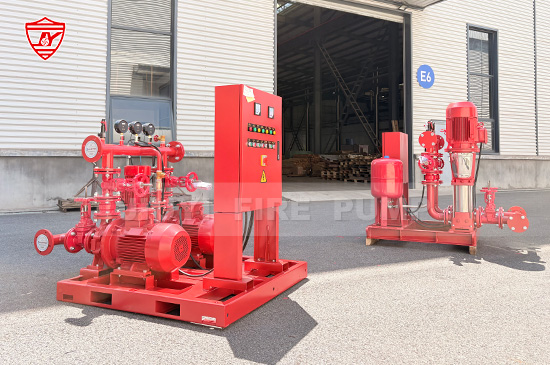
Maintaining an electric motor fire pump is essential for ensuring that a fire protection system remains reliable and ready for emergency operation. Regular visual inspections, motor checks, controller inspections, mechanical maintenance, and performance testing all contribute to long-term equipment reliability.