In fire protection system design, reliability is not optional—it is the foundation of life safety. High-risk facilities such as power plants, petrochemical facilities, data centers, airports, refineries, warehouses, and high-rise buildings face elevated fire hazards and severe consequences if fire protection systems fail. In these environments, diesel fire pumps play a critical role in ensuring uninterrupted fire protection when it matters most.
Unlike electrically driven fire pumps, diesel fire pumps operate independently of the main power supply. This single characteristic makes them a preferred and often mandatory choice for high-risk facilities where power outages, unstable grids, or catastrophic events could disable electric systems. Understanding why diesel fire pumps are widely used in these facilities requires examining risk profiles, fire protection standards, operational reliability, and real-world emergency scenarios.
High-risk facilities are characterized by one or more of the following conditions: combustible materials, high asset value, continuous operation requirements, large occupant loads, or severe environmental consequences in case of fire. Examples include oil and gas facilities, chemical plants, large logistics centers, tunnels, underground structures, and mission-critical infrastructure.
In such facilities, fire protection systems must meet three core requirements. First, they must operate immediately when a fire occurs. Second, they must continue running for extended periods without interruption. Third, they must function even when other systems fail. Fire pumps are the heart of these systems, responsible for delivering water at the required pressure and flow to sprinklers, hydrants, monitors, and foam systems.
Any failure of the fire pump system during an emergency can lead to uncontrolled fire spread, structural collapse, environmental damage, or loss of life. This is why fire protection engineers and authorities having jurisdiction place extreme emphasis on fire pump reliability in high-risk environments.
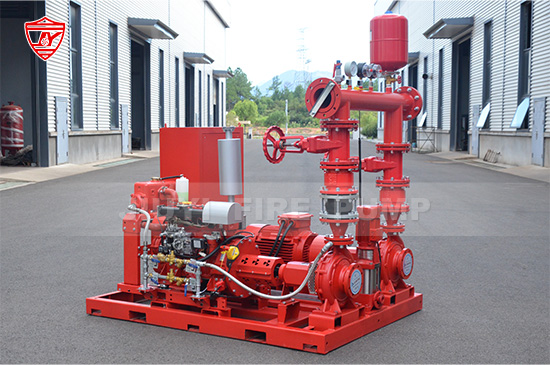
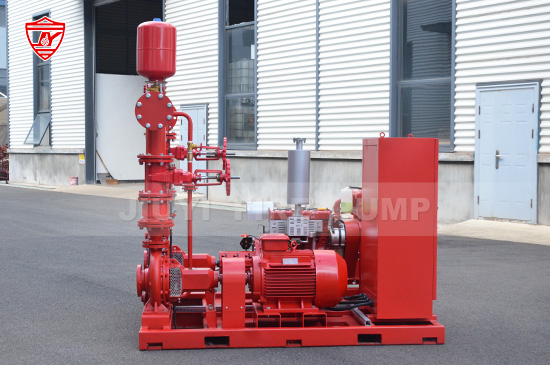
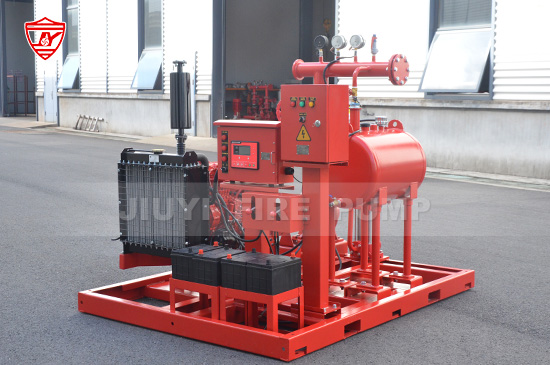
A diesel fire pump is driven by an internal combustion diesel engine rather than an electric motor. The pump itself may be centrifugal, horizontal split-case, vertical turbine, or end suction, but the defining feature is the diesel engine driver.
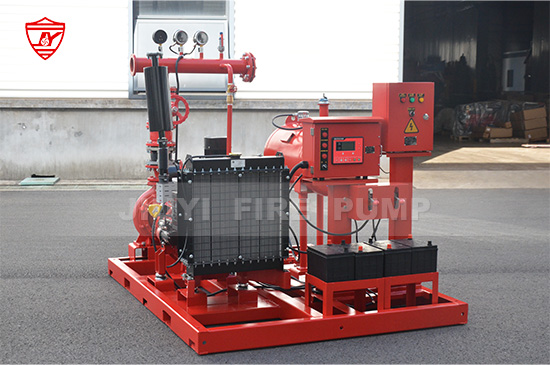
Diesel fire pumps are designed specifically for emergency operation. They are not dependent on external electrical power and include dedicated fuel systems, battery starting systems, controllers, and cooling arrangements. When fire protection systems are activated and sufficient pressure is not detected, the diesel fire pump automatically starts and supplies water to the system.
In many high-risk facilities, diesel fire pumps serve as either the primary fire pump or a backup to an electric fire pump. In both cases, their purpose is the same: to guarantee water supply under the worst possible conditions.
The most significant reason diesel fire pumps are used in high-risk facilities is their independence from the electrical grid. Fires are frequently accompanied by power failures caused by damaged cables, transformer trips, generator failures, or intentional shutdowns for safety reasons.
Even facilities equipped with emergency generators face risks. Generators may fail to start, may be overloaded, or may be damaged by the same incident that caused the fire. In large-scale emergencies, relying solely on electric power introduces an unacceptable single point of failure.
Diesel fire pumps eliminate this dependency. As long as fuel is available and the engine is properly maintained, the pump can operate regardless of the status of the electrical system. This independence is especially critical in facilities where fire protection must remain operational even during total power loss.
Diesel engines have a long history of reliable performance in harsh and unpredictable environments. Fire pump diesel engines are purpose-built for emergency use, typically rated for continuous operation at full load for extended durations.
In high-risk facilities, fire scenarios can last for hours rather than minutes. Large storage areas, industrial processes, and complex structures may require sustained firefighting efforts. Diesel fire pumps are capable of running continuously as long as fuel is supplied, making them suitable for prolonged emergencies.
Their mechanical simplicity compared to complex electrical systems also contributes to reliability. Diesel engines are less sensitive to voltage fluctuations, electromagnetic interference, or grid instability. This makes them particularly valuable in industrial environments with heavy electrical loads and challenging operating conditions.
Fire protection standards such as NFPA 20 recognize diesel fire pumps as a reliable and accepted driver type for fire pump systems. In many jurisdictions and project specifications, diesel fire pumps are required or strongly recommended for high-risk applications.
Authorities having jurisdiction often mandate diesel fire pumps in facilities where electrical reliability cannot be guaranteed or where the consequences of failure are severe. Insurance companies and risk assessors also frequently require diesel fire pumps to reduce potential losses.
For global projects, diesel fire pumps are often preferred because they can be deployed in regions with unstable power grids or limited electrical infrastructure. Their acceptance across international fire protection standards makes them a practical choice for multinational facilities.
High-risk facilities are often designed to withstand natural disasters such as earthquakes, floods, hurricanes, and extreme temperatures. Fire protection systems must remain operational during and after these events.
Natural disasters commonly disrupt power supplies for extended periods. Diesel fire pumps provide a level of resilience that electric systems cannot match under such conditions. With proper installation and protection, diesel fire pumps can continue operating even when surrounding infrastructure is compromised.
In facilities such as refineries, power stations, and emergency response centers, maintaining fire protection during disasters is critical to preventing secondary incidents that could escalate into major catastrophes.
Many high-risk facilities are located in remote or industrial areas where electrical infrastructure is limited or unreliable. Mining sites, oil fields, offshore platforms, and large industrial zones often face challenges related to grid stability and maintenance access.
Diesel fire pumps are well suited to these environments. They do not require high-capacity electrical connections and can be supported with on-site fuel storage. This self-sufficiency simplifies system design and enhances operational reliability.
In industrial settings with heavy electrical equipment, diesel fire pumps also reduce the risk of electrical interference or overload affecting critical fire protection systems.
Fire protection system design in high-risk facilities emphasizes redundancy. Diesel fire pumps are commonly used as a redundant backup to electric fire pumps, ensuring that at least one pump remains operational under any failure scenario.
This layered approach significantly reduces overall system risk. If the electric fire pump fails due to power loss, motor failure, or control issues, the diesel fire pump automatically takes over. This redundancy aligns with best practices in risk management and life safety engineering.
For facilities with extremely high hazard levels, multiple diesel fire pumps may be installed to provide additional layers of protection and capacity.
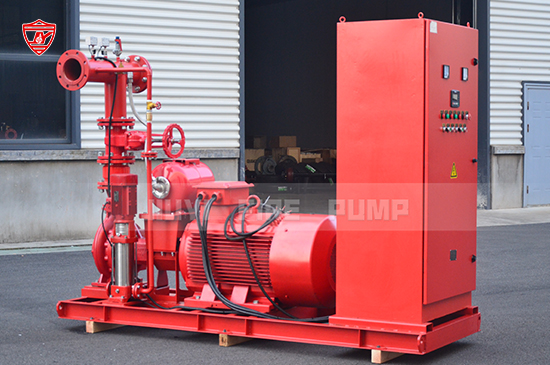
Diesel fire pump systems are designed with dedicated controllers that prioritize emergency operation over all other functions. These controllers continuously monitor system pressure, engine status, fuel levels, and alarms.
In high-risk facilities, this level of monitoring and control is essential for emergency readiness. Operators can verify system status at any time, and automatic start ensures immediate response when fire conditions are detected.
Regular testing and maintenance procedures are well established for diesel fire pumps, allowing facility managers to maintain a high level of confidence in system performance.
While diesel fire pumps may involve higher initial costs compared to electric fire pumps, their long-term value in high-risk facilities is significant. The cost of fire pump failure in such environments far exceeds the investment in reliable equipment.
By reducing the likelihood of catastrophic fire loss, diesel fire pumps contribute to lower insurance risk, improved regulatory compliance, and enhanced asset protection. For facilities handling hazardous materials or critical operations, this risk reduction is a strategic necessity rather than an option.
From a lifecycle perspective, diesel fire pumps offer durability, adaptability, and proven performance across decades of service when properly maintained.
Diesel fire pumps are widely used in high-risk facilities because they deliver what fire protection systems demand most: reliability under all conditions. Their independence from electrical power, proven performance in emergencies, compliance with fire protection standards, and suitability for extreme and remote environments make them an essential component of high-hazard fire protection strategies.
For facilities where fire protection failure is not an option, diesel fire pumps provide confidence, resilience, and continuity. As a manufacturer of fire pumps, understanding and communicating the value of diesel fire pump systems helps engineers, contractors, and facility owners make informed decisions that protect lives, assets, and operations.