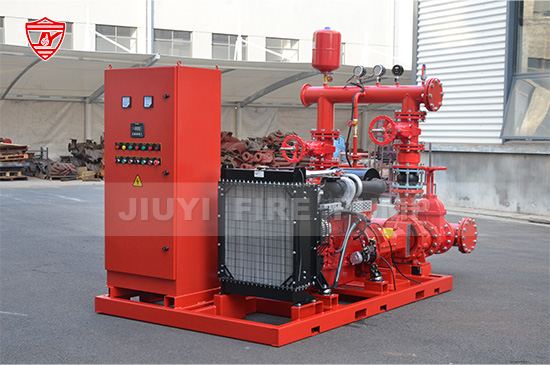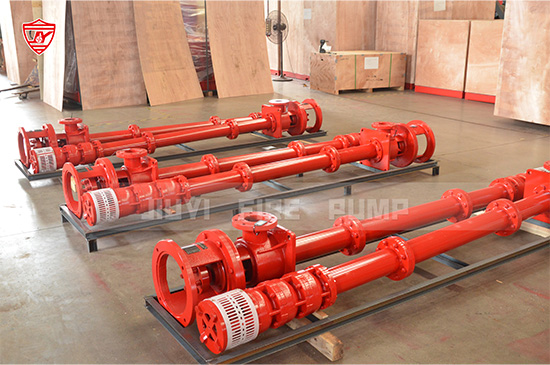
Fire pumps play a critical role in fire protection systems, ensuring a reliable water supply during emergencies. Whether installed in commercial buildings, industrial facilities, or high-rise structures, fire pumps must operate under demanding conditions without failure. One of the most important yet often overlooked parameters in fire pump operation is bearing temperature.
Understanding the fire pump bearing temperature limit is essential for maintaining reliability, preventing unexpected breakdowns, and ensuring compliance with industry standards. Excessive bearing temperature is often the earliest warning sign of mechanical issues, and ignoring it can lead to catastrophic failure during a fire event.
This article explains what bearing temperature limits are, what standards apply, typical acceptable ranges, causes of overheating, and best practices for monitoring and maintenance.
What Is Bearing Temperature in a Fire Pump?
Bearings are essential components within a fire pump that support the rotating shaft and reduce friction during operation. As the pump runs, friction, load, and lubrication all contribute to heat generation within the bearing.
Bearing temperature refers to the operating temperature of these components during normal pump operation. It is usually measured at the bearing housing using sensors such as thermocouples or resistance temperature detectors (RTDs).
In fire pumps, maintaining proper bearing temperature is especially important because:
-
Fire pumps may remain idle for long periods and must start instantly
-
They often operate at full load during emergencies
-
Failure during operation can compromise fire protection systems
Why Bearing Temperature Matters
Monitoring bearing temperature is a key aspect of predictive maintenance. Elevated temperatures often indicate underlying issues such as improper lubrication, misalignment, or excessive load.
If bearing temperatures exceed safe limits, the consequences can include:
-
Lubricant breakdown
-
Increased friction and wear
-
Shaft misalignment
-
Bearing seizure
-
Pump failure
In fire protection systems, such failures are unacceptable because they directly impact safety and regulatory compliance.
Fire Pump Bearing Temperature Standards
Fire pump installations and performance are governed by standards such as NFPA 20, which outlines requirements for installation and operation. While NFPA 20 does not always specify exact bearing temperature limits, it emphasizes reliable performance and proper monitoring.
In general, bearing temperature limits are guided by:
-
Manufacturer specifications
-
Bearing type (rolling element vs sleeve bearing)
-
Lubrication method (grease or oil)
-
Ambient conditions
Most manufacturers provide recommended maximum temperatures based on these factors.
Typical Fire Pump Bearing Temperature Limits
Although exact values may vary depending on design and manufacturer, the following ranges are widely accepted in the industry.
1. Rolling Element Bearings
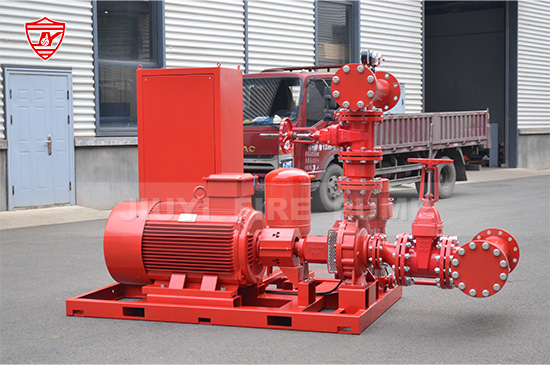
Rolling element bearings are commonly used in electric fire pumps and horizontal split-case pumps.
-
Normal operating temperature: 60°C to 80°C
-
Warning level: 80°C to 90°C
-
Maximum limit: 90°C to 95°C
Temperatures above 95°C are generally considered unsafe and may lead to lubricant failure and bearing damage.
2. Sleeve Bearings (Journal Bearings)
Sleeve bearings are often found in vertical turbine fire pumps and some diesel-driven systems.
-
Normal operating temperature: 50°C to 75°C
-
Warning level: 75°C to 85°C
-
Maximum limit: 85°C to 90°C
Sleeve bearings rely heavily on proper lubrication, so temperature control is critical.
3. Lubrication Considerations
Lubrication plays a major role in determining acceptable temperature:
-
Grease-lubricated bearings typically run slightly hotter
-
Oil-lubricated bearings usually operate at lower temperatures
-
High-temperature grease can allow higher limits but requires careful monitoring
Factors That Affect Bearing Temperature
Several factors influence the operating temperature of fire pump bearings. Understanding these factors helps operators identify potential problems early.
1. Load Conditions
Excessive load increases friction and heat generation. Fire pumps operating outside their design curve may experience higher bearing temperatures.
2. Misalignment
Improper alignment between the pump and driver (motor or engine) causes uneven load distribution, leading to overheating.
3. Lubrication Issues
Incorrect lubrication is one of the most common causes of high bearing temperature.
Common problems include:
-
Over-lubrication
-
Under-lubrication
-
Using the wrong type of lubricant
-
Contaminated lubricant
4. Ambient Temperature
High ambient temperatures can raise the baseline temperature of the bearing, reducing the margin for safe operation.
5. Speed
Higher rotational speeds generate more heat due to increased friction.
6. Bearing Wear
Worn bearings create additional friction, resulting in higher temperatures.
Causes of High Bearing Temperature in Fire Pumps
When bearing temperatures exceed acceptable limits, it is usually due to one or more of the following issues.
1. Over-Lubrication
Adding too much grease can cause churning, which increases heat generation instead of reducing friction.
2. Lack of Lubrication
Insufficient lubrication leads to metal-to-metal contact, causing rapid temperature rise.
3. Incorrect Lubricant Type
Using lubricant with the wrong viscosity or temperature rating can lead to poor heat dissipation.
4. Misalignment
Even slight misalignment can significantly increase bearing load and temperature.
5. Imbalance
An unbalanced rotating assembly creates vibration, which increases heat in the bearing.
6. Contamination
Dust, water, or debris in the lubricant can damage bearing surfaces and increase friction.
7. Excessive Vibration
Vibration accelerates wear and contributes to higher temperatures.
How to Monitor Bearing Temperature
Effective temperature monitoring is essential to prevent failure and ensure reliability.
1. Temperature Sensors
Modern fire pump systems often include built-in temperature sensors such as:
-
RTDs (Resistance Temperature Detectors)
-
Thermocouples
These provide real-time temperature readings.
2. Manual Measurement
Infrared thermometers can be used for routine inspections, especially in smaller installations.
3. Alarm Systems
Advanced systems can trigger alarms when temperatures exceed preset limits, allowing operators to take corrective action.
4. Trend Analysis
Tracking temperature trends over time helps identify gradual issues before they become critical.
Best Practices to Control Bearing Temperature
Maintaining proper bearing temperature requires a proactive approach to maintenance and operation.
1. Follow Manufacturer Guidelines
Always adhere to recommended temperature limits, lubrication intervals, and maintenance procedures provided by the manufacturer.
2. Proper Lubrication
-
Use the correct lubricant type
-
Follow recommended lubrication intervals
-
Avoid over-lubrication
3. Regular Inspection
Check for:
-
Unusual noise
-
Vibration
-
Temperature increase
4. Alignment Checks
Ensure proper alignment between the pump and driver to reduce load on bearings.
5. Clean Environment
Prevent contamination by maintaining clean lubrication systems and sealing components properly.
6. Monitor Operating Conditions
Ensure the pump operates within its design range to avoid excessive load.
Warning Signs of Bearing Failure
Operators should be aware of early warning signs that indicate potential bearing issues.
-
Rapid increase in temperature
-
Unusual noise or grinding sounds
-
Increased vibration
-
Lubricant leakage or discoloration
-
Reduced pump performance
Early detection allows for corrective action before failure occurs.
What Happens If Bearing Temperature Is Too High?
Excessive bearing temperature can lead to serious consequences, including:
1. Lubricant Breakdown
High temperatures degrade lubricants, reducing their effectiveness and accelerating wear.
2. Metal Expansion
Thermal expansion can alter clearances, leading to increased friction and potential seizure.
3. Bearing Failure
Severe overheating can cause bearing collapse, leading to complete pump shutdown.
4. System Failure
In a fire protection system, pump failure can result in insufficient water supply during emergencies, putting lives and property at risk.
How Temperature Limits Relate to Fire Pump Reliability
Fire pumps must operate reliably under emergency conditions, often after long periods of inactivity. Bearing temperature control is essential for ensuring readiness.
Regular testing, as required by standards, helps verify that the pump can operate within acceptable temperature limits. Monitoring bearing temperature during these tests provides valuable insights into the pump’s condition.
A well-maintained fire pump with stable bearing temperatures is far more likely to perform when needed.
Conclusion
The fire pump bearing temperature limit is a critical parameter that directly impacts the reliability and safety of fire protection systems. While specific limits vary depending on bearing type, lubrication, and manufacturer, most fire pump bearings should operate below 90°C, with lower ranges preferred for long-term reliability.
Excessive temperature is often a sign of underlying problems such as poor lubrication, misalignment, or contamination. By understanding acceptable temperature ranges, monitoring performance, and following proper maintenance practices, operators can prevent failures and ensure their fire pump systems remain ready for emergencies.
For manufacturers, contractors, and facility managers, paying close attention to bearing temperature is not just a maintenance task—it is a key part of ensuring life safety and system compliance.
.jpg)